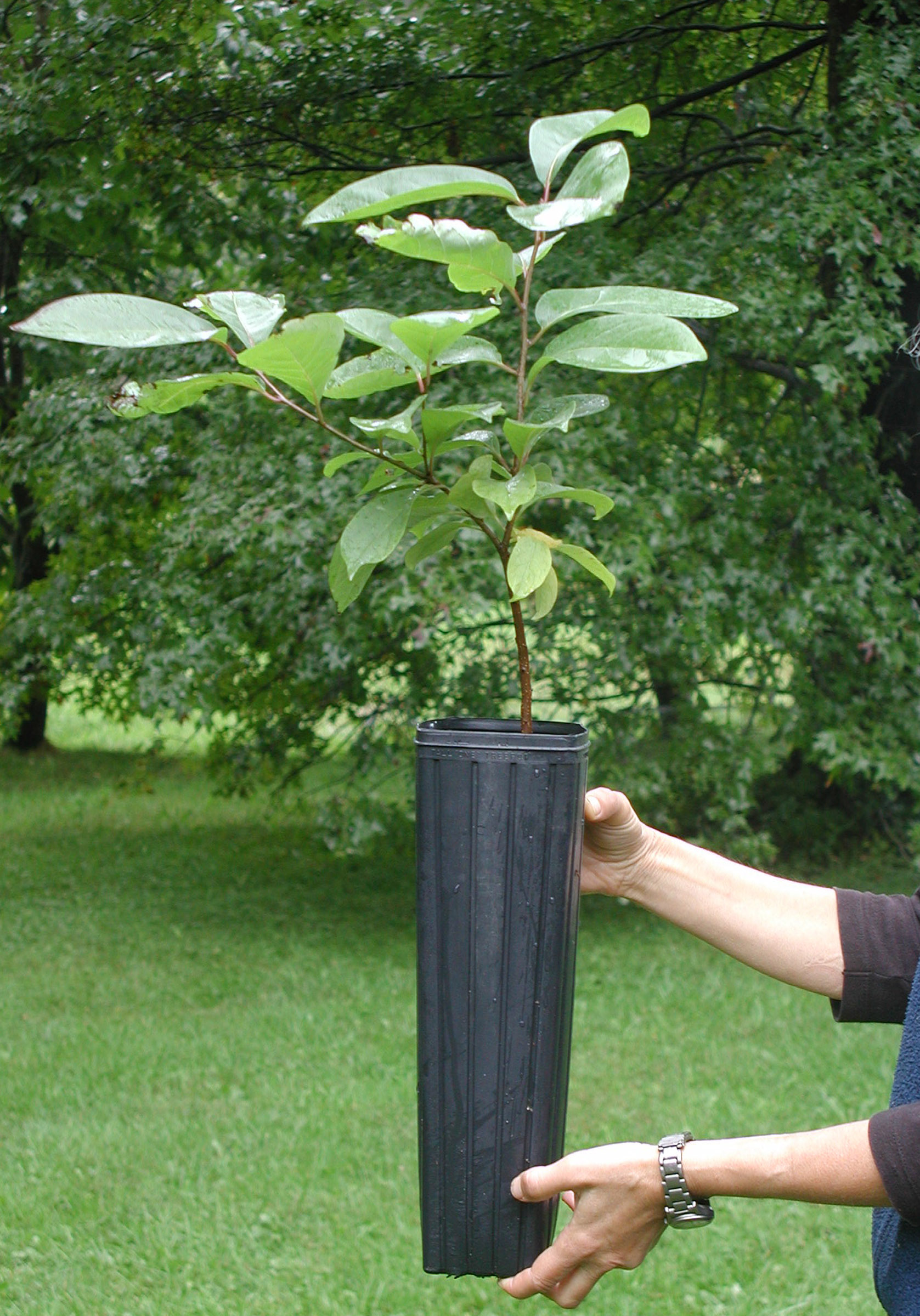
Deep container for long tapped rooted persimmon tree

TREES & SHRUBS FOR ALL

Taking Root

Fall is my favorite time to plant trees and shrubs — it’s the best time, in fact, for most of them. Here in cold hardiness Zone 5 of New York’s Hudson Valley, the specific date is October 17th. No, no, just kidding. Anytime around the middle of fall is good.

And that’s one reason I like fall planting. With plant growth ground to a halt and the soil generally in good condition for planting, fall planting is a relaxed affair. In spring, plants are raring to grow so want their roots nestled in their permanent home as soon as possible.

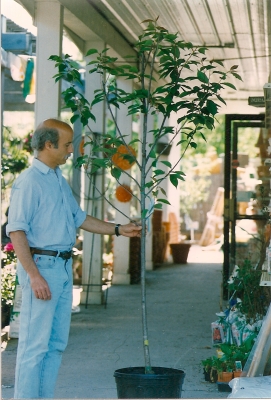
But enough about timing. Let’s see what form trees and shrubs, whether in fall or spring and whether purchased through the mail or locally, are available. You can buy trees and shrubs in one of three different ways.Tree at nursery
Read more

Yellowjacket

A GARDEN PEST OF HUMANS

Yellowjacket Frenemies

Not all garden pests attack plants. One pest, not of plants, that especially bugs me around this time most years is yellowjackets. Yellowjackets can be worse than irksome; they can be deadly to people allergic to their sting.

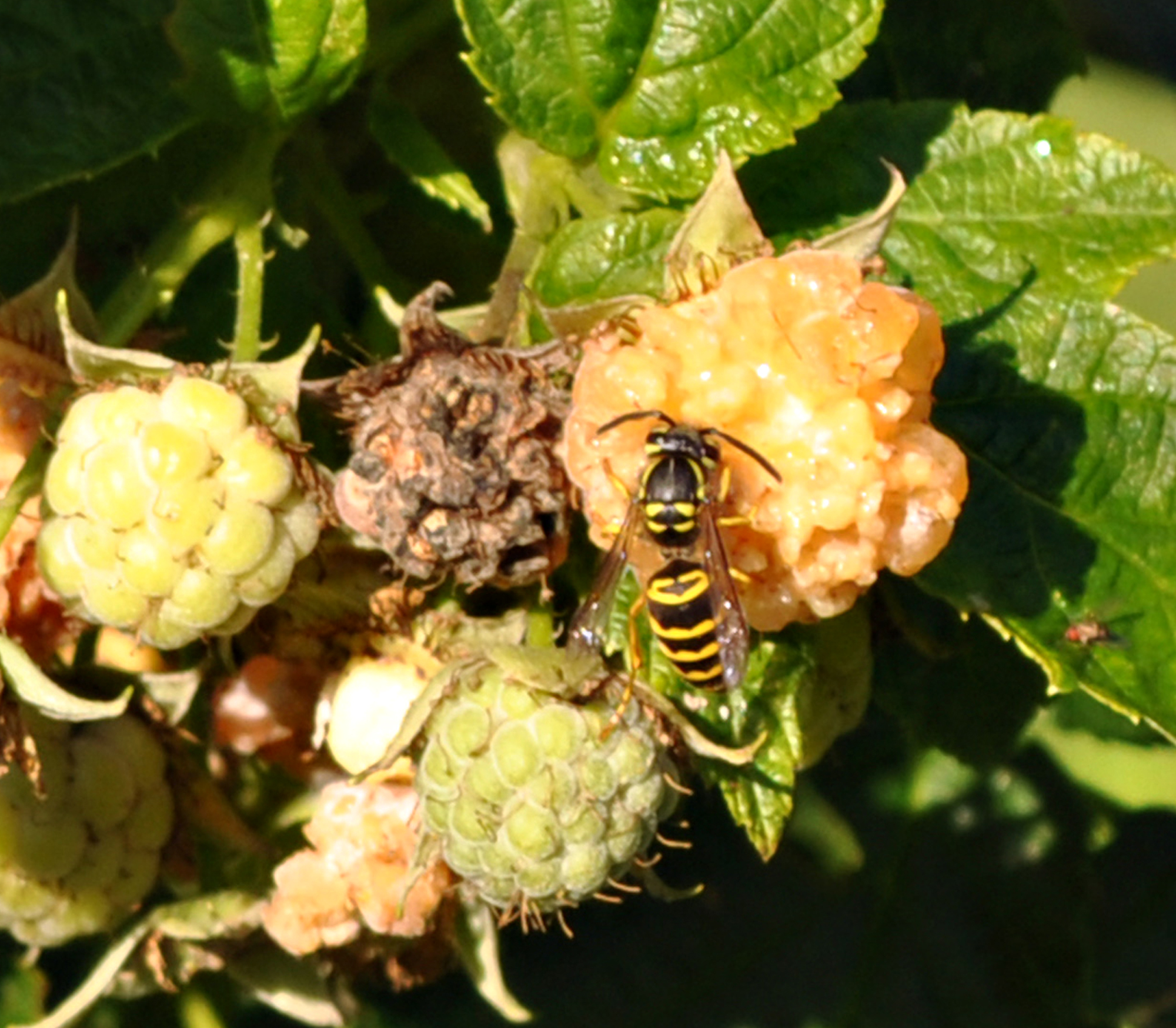
Whether deadly or just irksome, yellowjackets are amongst the orneriest of creatures. They are aggressive and, unlike honeybees, don’t have to stop after one sting. Burying its stinger in your arm has no effect on a yellowjacket’s mortality, so it can do it again if it so pleases or go on to seek out other victims.Yellowjacket

As with all of Mother Nature’s creatures, yellowjackets are not all bad — even from the biased viewpoint of us humans. Read more

Eating a fig

FIG SEASON

(This post is adapted from my book Growing Figs in Cold Climates)

Figs for All

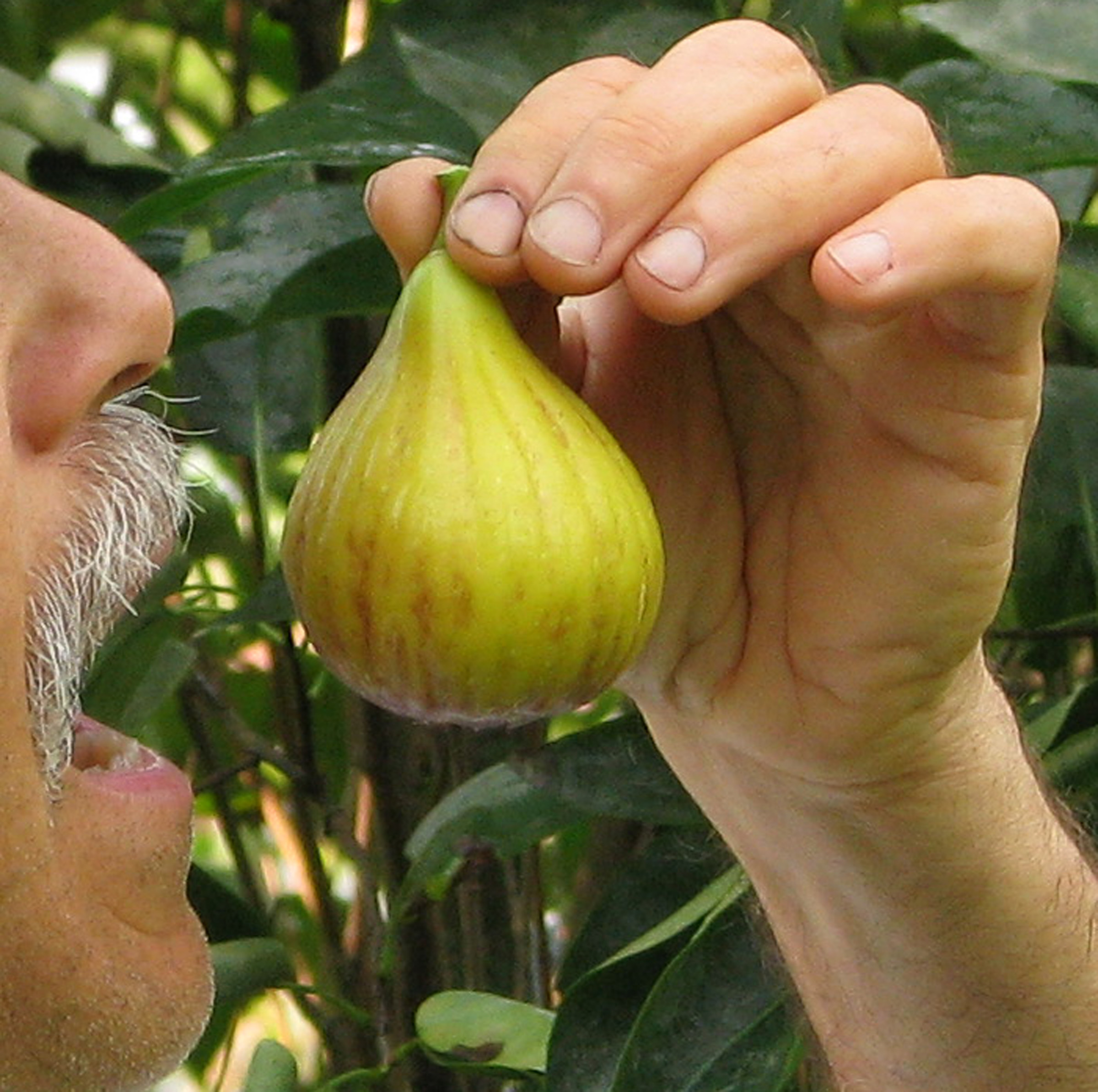
For cold-climate fig growers, the harvest season is upon us. (Fig growers in warmer climates have been harvesting fresh figs for weeks.) But even here in the north, the harvest could continue for weeks to come since the so-called “main crop” fig fruits keep forming and ripening as long as the weather and sunlight keeps stems growing.

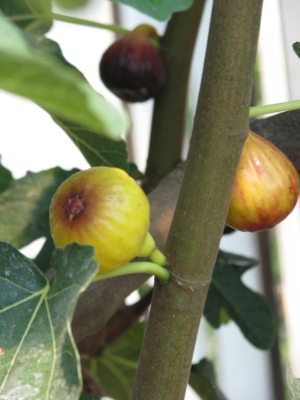
Some people might say, “Why go through the trouble of caring for a fig plant when you could buy fresh figs in the market? The fragile skin and the perishability of the fresh fruit doesn’t lend itself to commercial handling, which is why commercial figs, when you do find them in the market, have been harvested while still underripe and firm.” Then the claim could be, “Just let those market fruits sit out for a few days to sweeten up.” Nix on that also. A fig fruit will not further ripen once harvested. It might soften and sweeten a bit, but what’s taking place is more incipient rot — microorganisms degrading cell walls and changing starches to sugars — than ripening.Figs ripening on stem

In fact, caring for a fig tree is very little trouble. Even in cold climates, where special techniques are needed for this subtropical plant. Fig plants are relatively pest-free. And, they can be grown in pots, even small ones, although the larger the pot the larger the harvest. Their main requirement is to bathe in six or more hours of daily summer sunshine. Read more

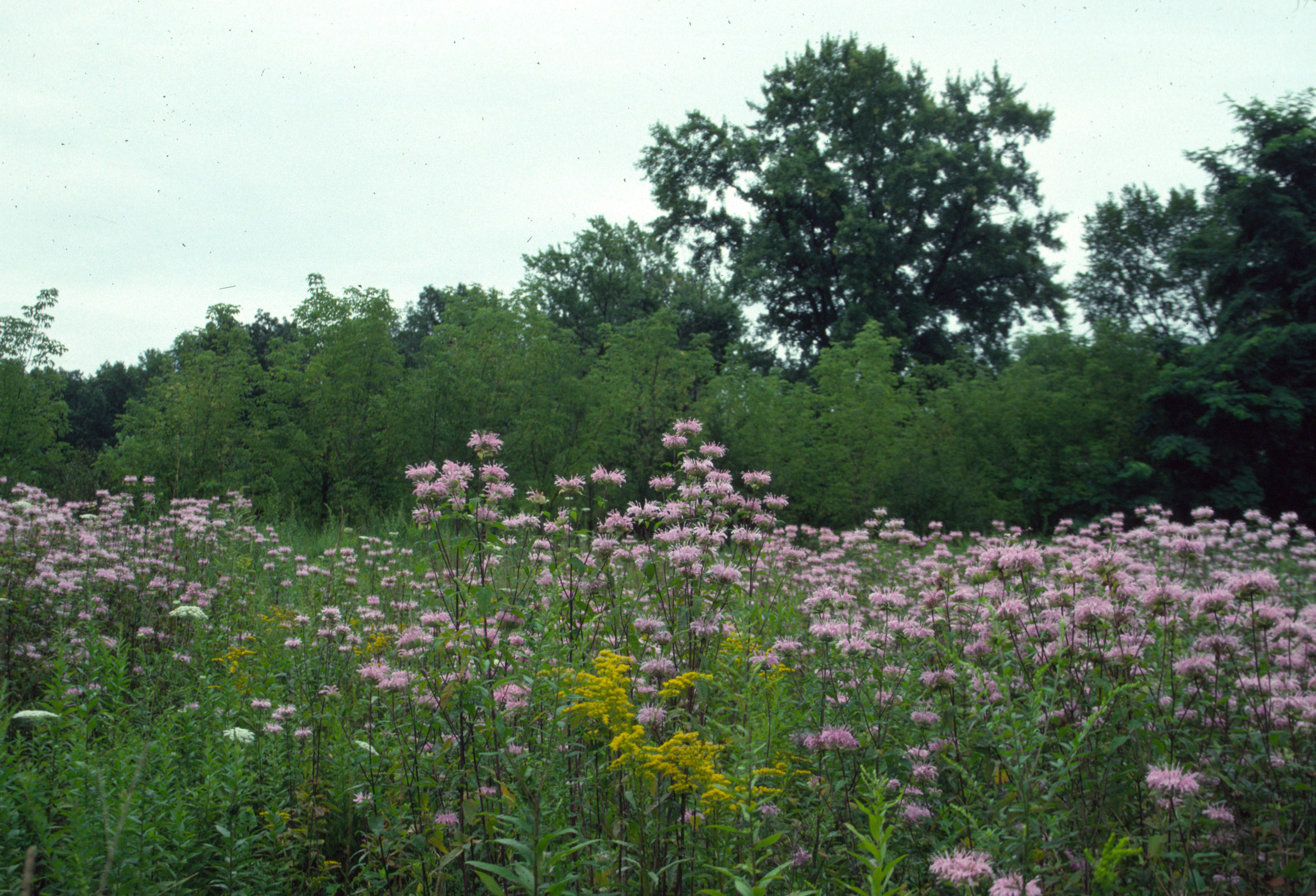
Meadow with monarda

A WILD AND CULTIVATED BALM

Taming a Wild One

Bee-balm is one of those plants I once long admired in the wild and contemplated planting in my garden. Especially in midsummer when these flowers brighten the dappled shade of woodland borders and paint meadows with their pale lavender heads, perched high atop four-foot stems.Meadow with monarda

The plants’ desire to spread put me off planting them. Not that they’re an invasive plant in the general sense, but in a well managed garden they do require regular attention. Read more

THE VERY BEST TOMATOES

Variety. Variety

If I’ve said it once, I’ve said it a thousand times, “Home grown tomatoes are NOT the best tasting ones.” Not necessarily, at least.

No, I’m not advocating tossing in your trowel and doing your tomato harvesting into a shopping cart. What I am saying is that choosing the best variety is all important to being able to bite into into the best tasting tomato. Grow an Early Girl tomato to perfection, harvest it at its peak of flavor, then take a bite out of it, and you’ll taste a good tomato. But not — in my opinion — a great tomato.

Heirloom tomatoes on plate

Heirloom tomatoes on plate

A tomato that has been handled carefully keeps pretty well for a couple of days, so you could actually purchase a great tasting tomato from a store or farm stand. But only if — I’ll say it again — that tomato is a great tasting variety. Read more

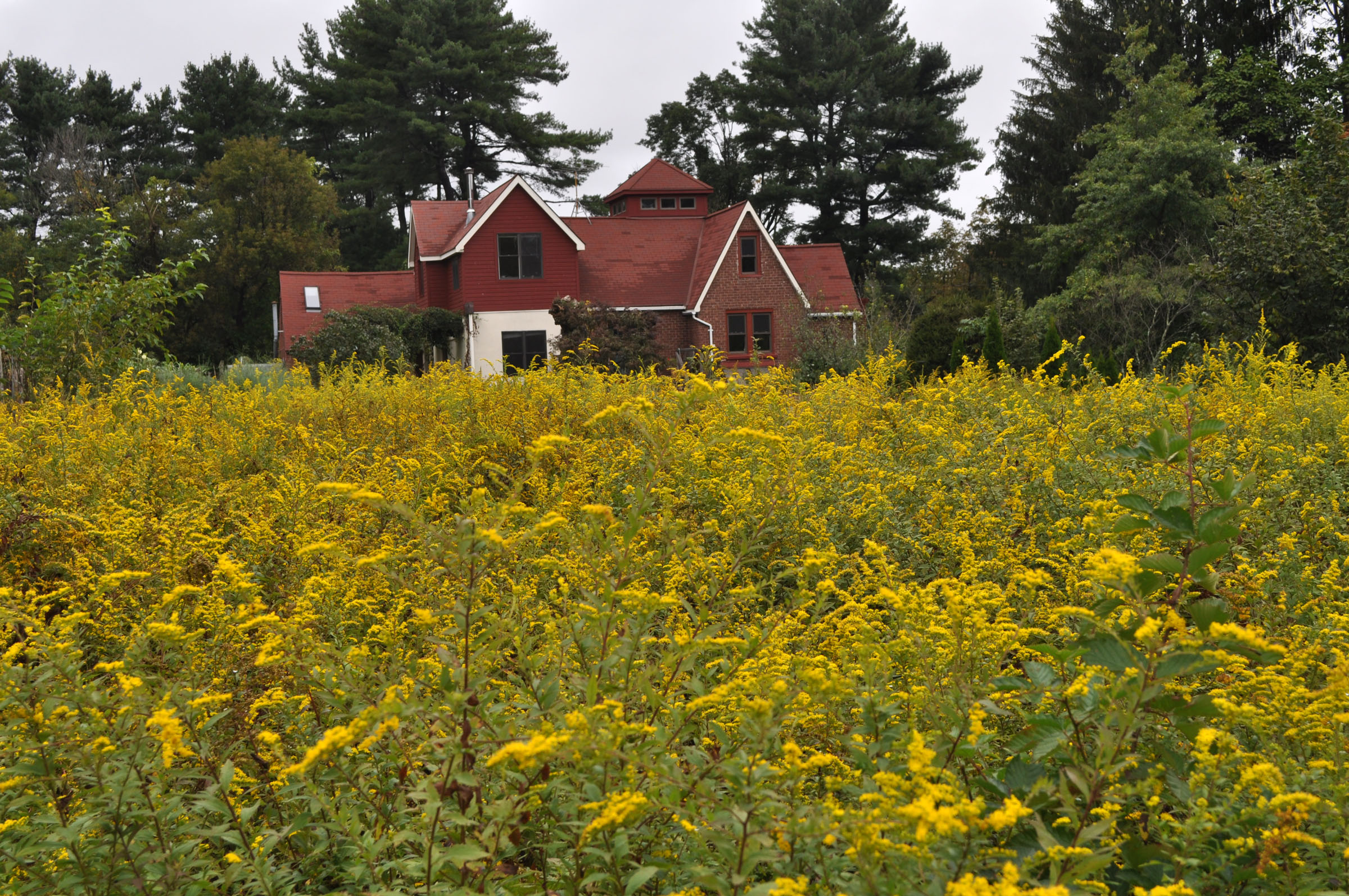
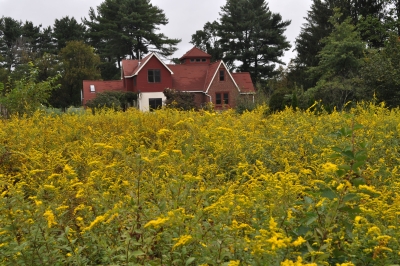
Goldenrod in meadow

EASIER MEADOW PREP

Genesis

In my previous blog post, I described various ways to prepare the ground for a meadow. With that said, I admit to not following any of what I wrote about ground preparation for the meadow here on the farmden. Not that my instructions were wrong. As the old Chinese proverb goes, “There are many paths to the top of the mountain, but the view is always the same.” Meadows also.Goldenrod in meadow

Last week’s meadow prep is geared to the meadow steward who wants to be presented with a riot of color for as long as possible. That view necessitates the killing of existing vegetation and sowing seeds or setting out small plants of desired species.

My own meadow began life under the ownership of my elderly neighbor who, with two riding lawnmowers helmed by her granddaughter Read more

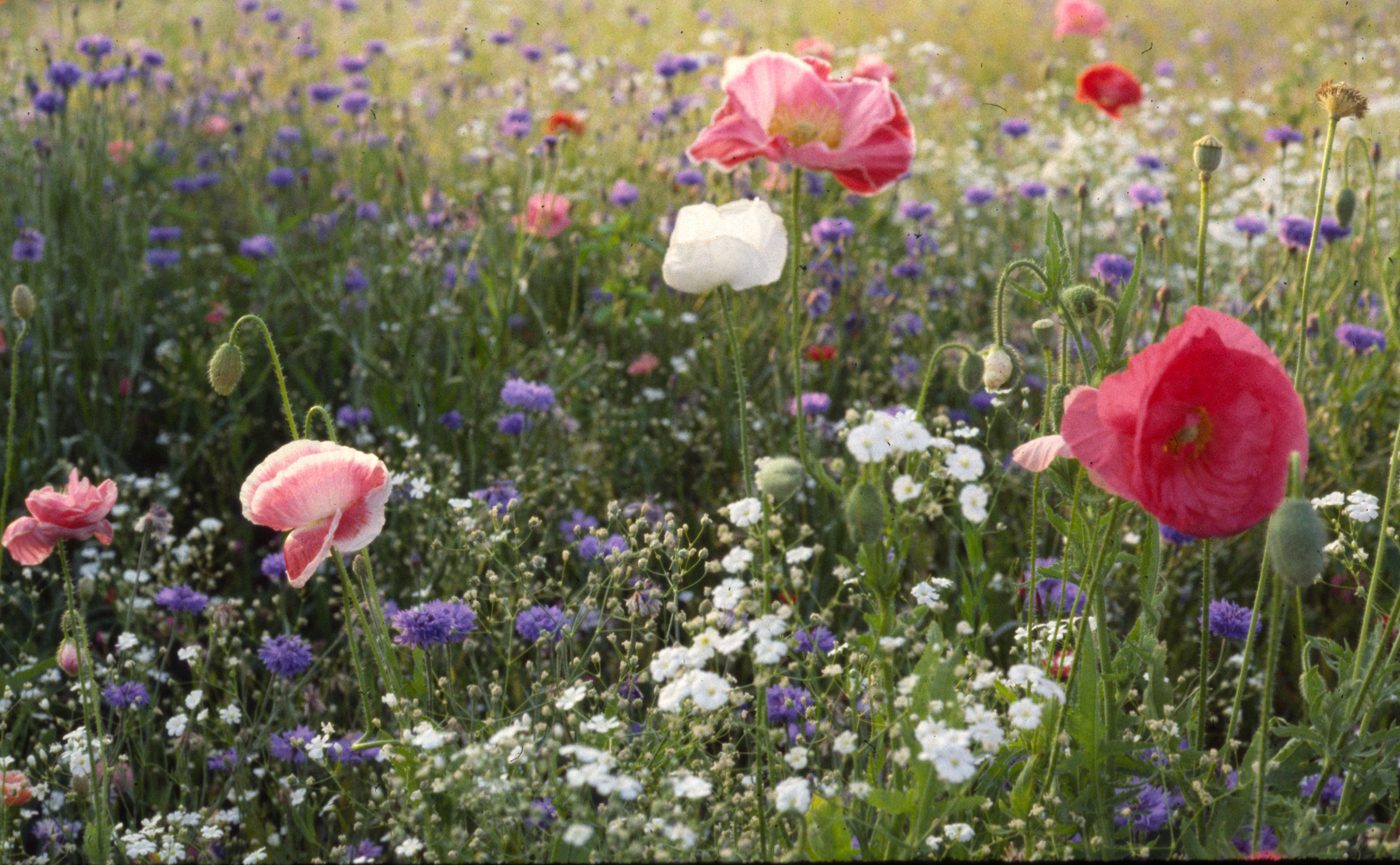
Meadow with poppies

MEADOW BEGINNINGS

Small Meadow Prep

Despite the low maintenance a mature meadow requires, thorough preparation and planning is needed to establish one. Don’t let “meadow in a can” (a container of meadow plant seeds) or some other promise of an instant meadow fool you into believing that just sprinkling seeds or rolling out a seeded, biodegradable carpet on top the ground will result in a carefree riot of season-long color.Meadow with poppies

Thorough preparation is needed because meadow plants are not set out in neat rows easily weeded by hand or by hoe. Neat rows, after all, would ruin the random charm of a meadow. The goal, therefore, is to create conditions as weed-free as possible before setting out plants or sowing seeds.

The first consideration Read more

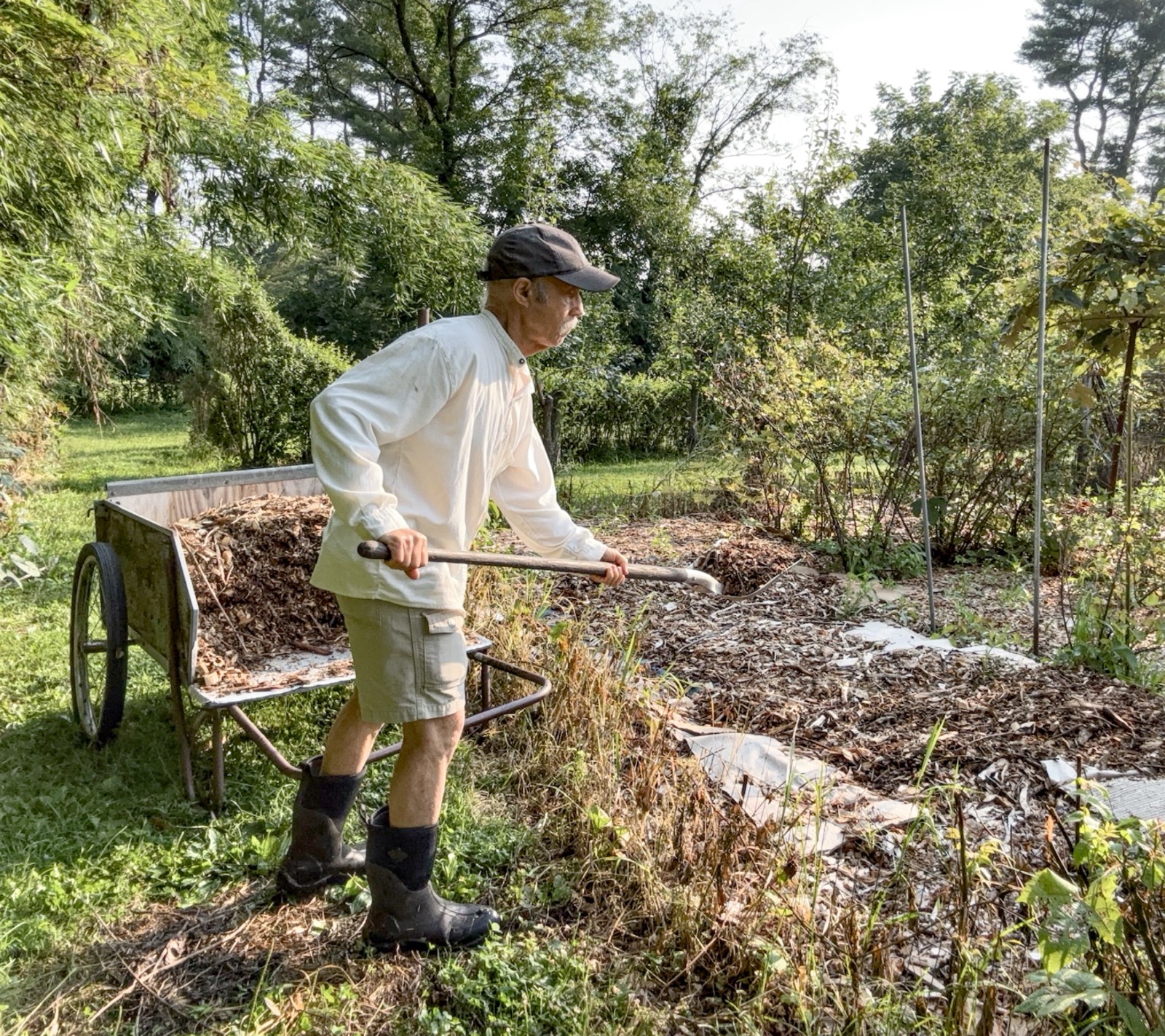
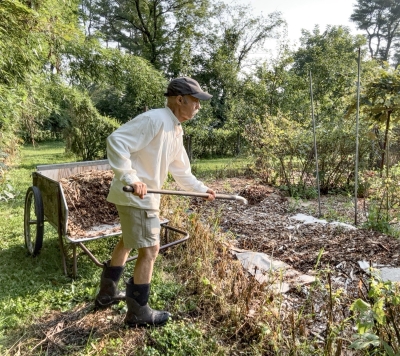
Spreading wood chip mulch

ANTI-SOCIAL WEEDS

Best Worst in my Gardens

Do your weeds socialize? Mine mostly do not. That’s at least true for summer’s worst weeds. Each has seemingly staked out its territory in various of my gardens or parts of gardens, and keeps there mostly to itself.

The all-time biggest offender has been Canadian thistle (Cirsium arvense). Its bristly stems and leaves have insinuated themselves all over the place to the west of our main vegetable garden, in among a hogepodge of berry plants. How clever of them, especially getting in there among the gooseberries, where it’s hard enough to pull them from amongst the clusters of berrty stems, and made moreso by gooseberry’s spines.

One control — not cure, though — for the thistle invasion is mulch. Because of thistle’s deep, energetic, errant roots, just any mulch will not do.Spreading wood chip mulch So I’ve resorted, hopefully just for this year, to laying down corrugated cardboard topped with arborist wood chips, a technique beloved to permaculturalists and historically loathed by me. Read more
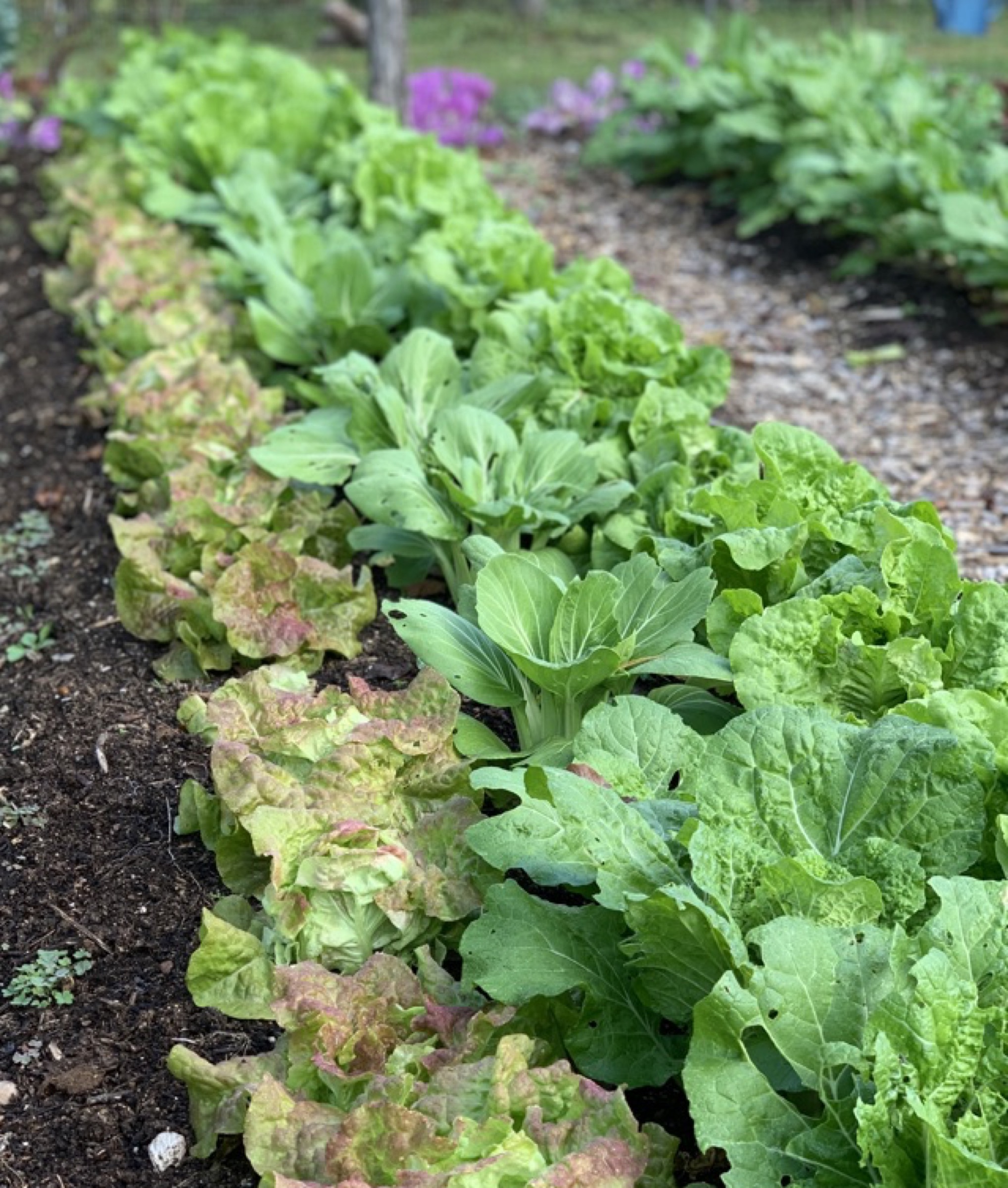
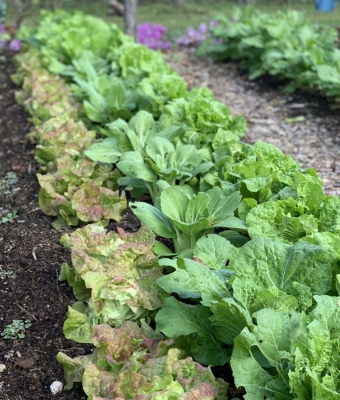
Bed of lettuce and Chinese cabbage in fall

PLAN(T) AHEAD

A Whole ‘Nuther Garden

It’s hard to imagine that the weather will eventually turn cool, then cold. But of course it will, I’ve been planning what vegetables to grow late in the season after cool temperatures have sapped the vitality from tomatoes, cucumbers, and peppers. You might also consider it, because growing fall vegetables is like having a whole other garden, but in the same space.

Cool weather brings out the best flavor from vegetables such as kale, broccoli, and carrots. And the harvest season is long; fall vegetables just sit pretty awaiting harvest at your leisure.Bed of lettuce and Chinese cabbage in fall I hew to three commitments I make every summer in planning for fall vegetables.

The first is to maintain soil fertility. Getting another growing season out of my garden means more fertility is needed, so fertilizer and/or liberal amounts of compost or other organic matter needs to be added to the soil. Fall’s predominantly leafy vegetables are heavy feeders.

My fertility system used to be Read more

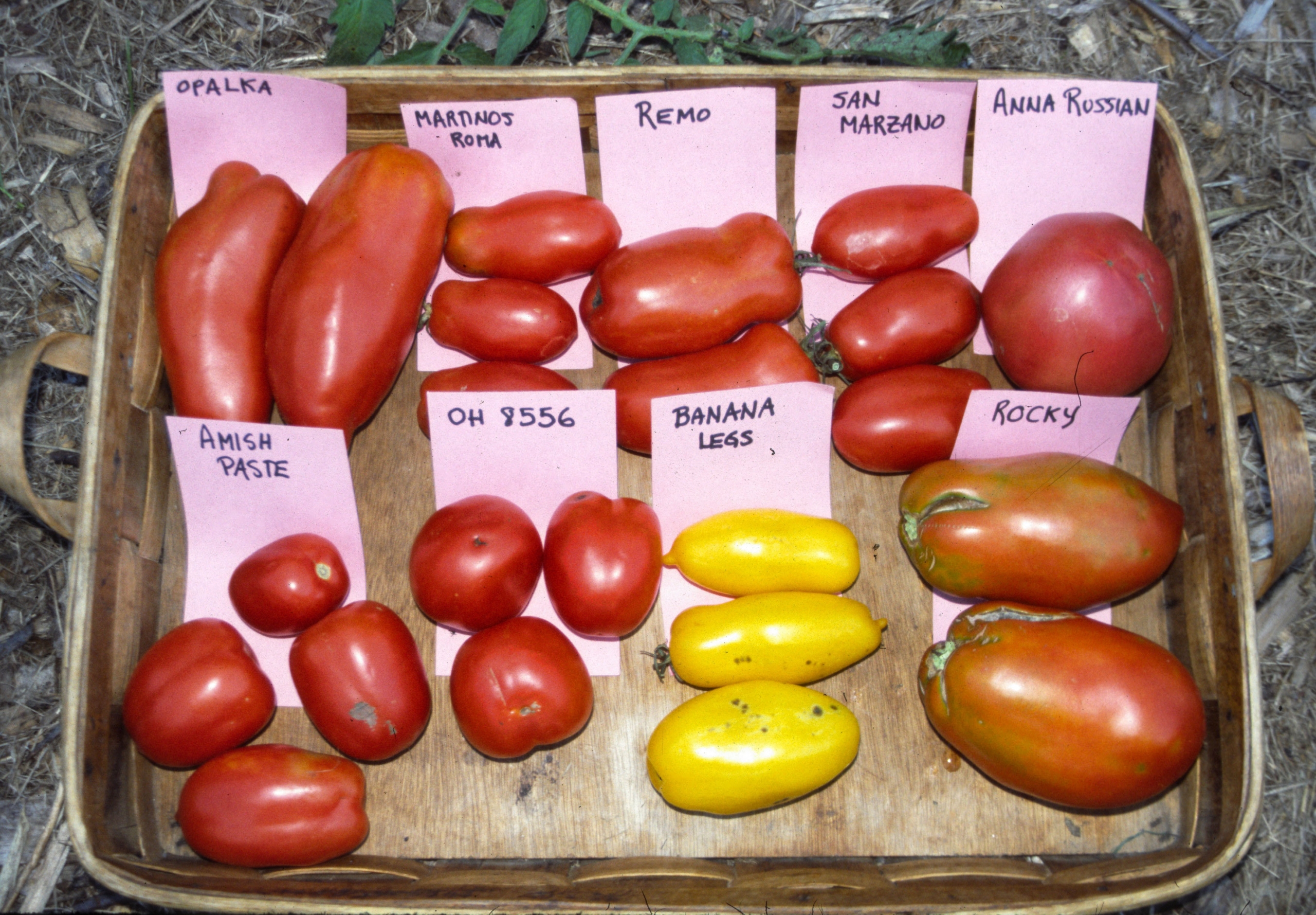
Varieties of paste tomatoes, labelled

AND THE BEST PASTE TOMATO IS . . .

Is a Tomato a Tomato

If a rose is a rose is a rose is a rose, then a tomato is a tomato is a tomato. Or surely a paste tomato is. After all, paste tomatoes are rarely eaten fresh; they are mostly just cooked.

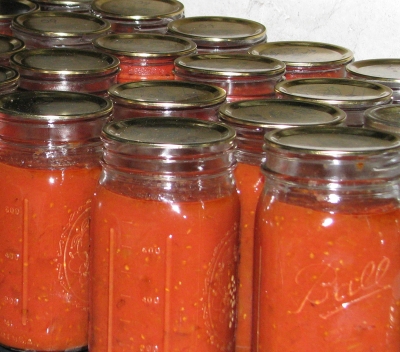
Each summer in my garden, we grow and put up enough canned tomatoes to keep us in soup, stew, and sauce for at least a year. Canned tomatoesA couple of summers ago, I sorted through some of the paste tomato varieties available, planting, growing, and evaluating flavors of the reputed best. These were varieties highly touted by seed purveyors, some gardeners, and on the web.

I admit to entering this foray with prejudices. Read more