Pollarded catalpa

TO EACH HIS OR HER OWN

Full Disclosure: I Like It

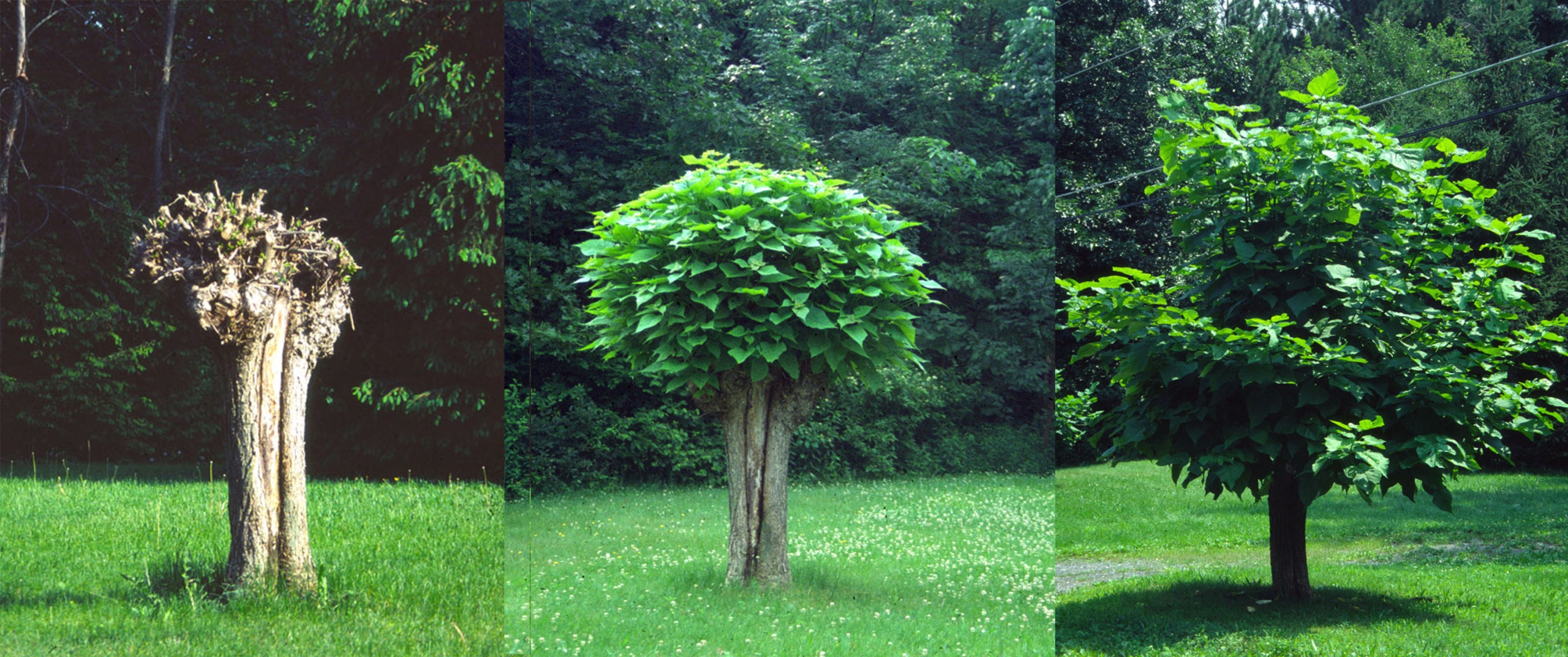
You either like the look of a pollarded tree, or you don’t. A tree pruned by this technique surely doesn’t have a natural look. In winter, the pollarded tree is a clubbed head capping a clear trunk, or clubbed heads each capping a few short, thick side branches atop a clear trunk. In summer, a mass of vigorous shoots wildly burst forth from that club-like head or heads.

Pollarded catalpa

Pollarded catalpa

Pollarding has both an aesthetic and a practical side. Read more

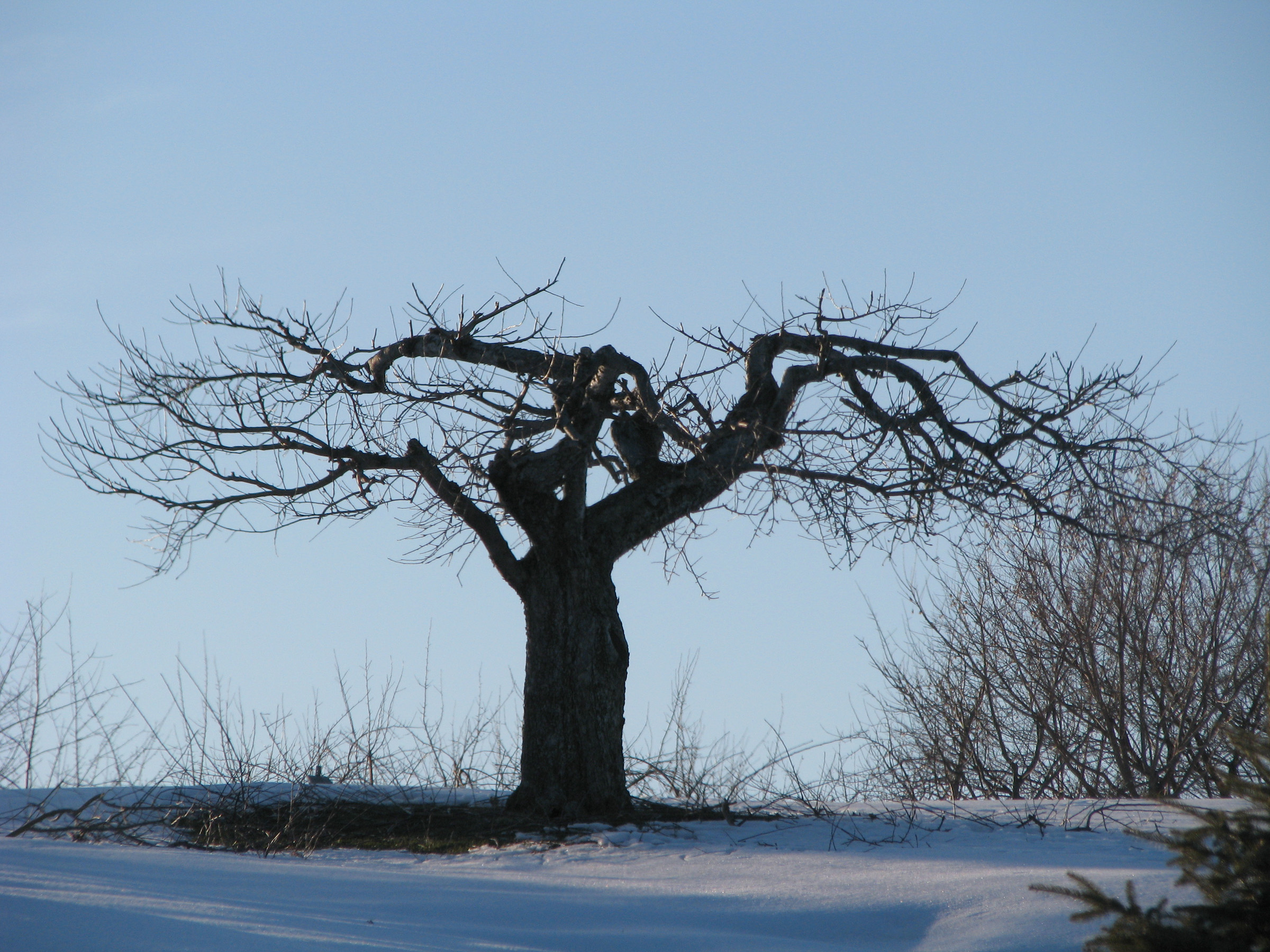
Well pruned, old apple tree

RENOVATION: NOT A KITCHEN

(The following is adapted from my book THE PRUNING BOOK, available from the usual sources or directly from me, signed, on this website.)

Renovation Instead of Despair

How many of us have inherited neglected, overgrown, old apple trees with our property? Yes, such trees do have charm, their gnarled, elbowed branches seemingly ready to reach out to offer a hug. Their fruits, however, usually leave much to be desired. More often than not they’re too small, too high in the tree, and too pest-ridden. These problems are largely the result of unfettered growth, the tree growing so large and dense with branches that it has shaded itself into nonproductivity and disease-inducing dankness.

No need for despair: such a tree can be returned to its former glory by “renovation,” as corrective pruning of an old tree is called. Read more

My gooseberry varieties

GOOD GERMS

Despite its sinister sound, a “germplasm collection” spells good things for farmers and gardeners alike. Think beyond the flu season and the word germ takes on a broader meaning: a small mass of living substance that can give rise to a whole organism or one of its parts. Think of wheat germ, that nutritious part of a wheat seed that contains the cells — the germ — that develop into a whole new wheat plant.

My Collection Swells

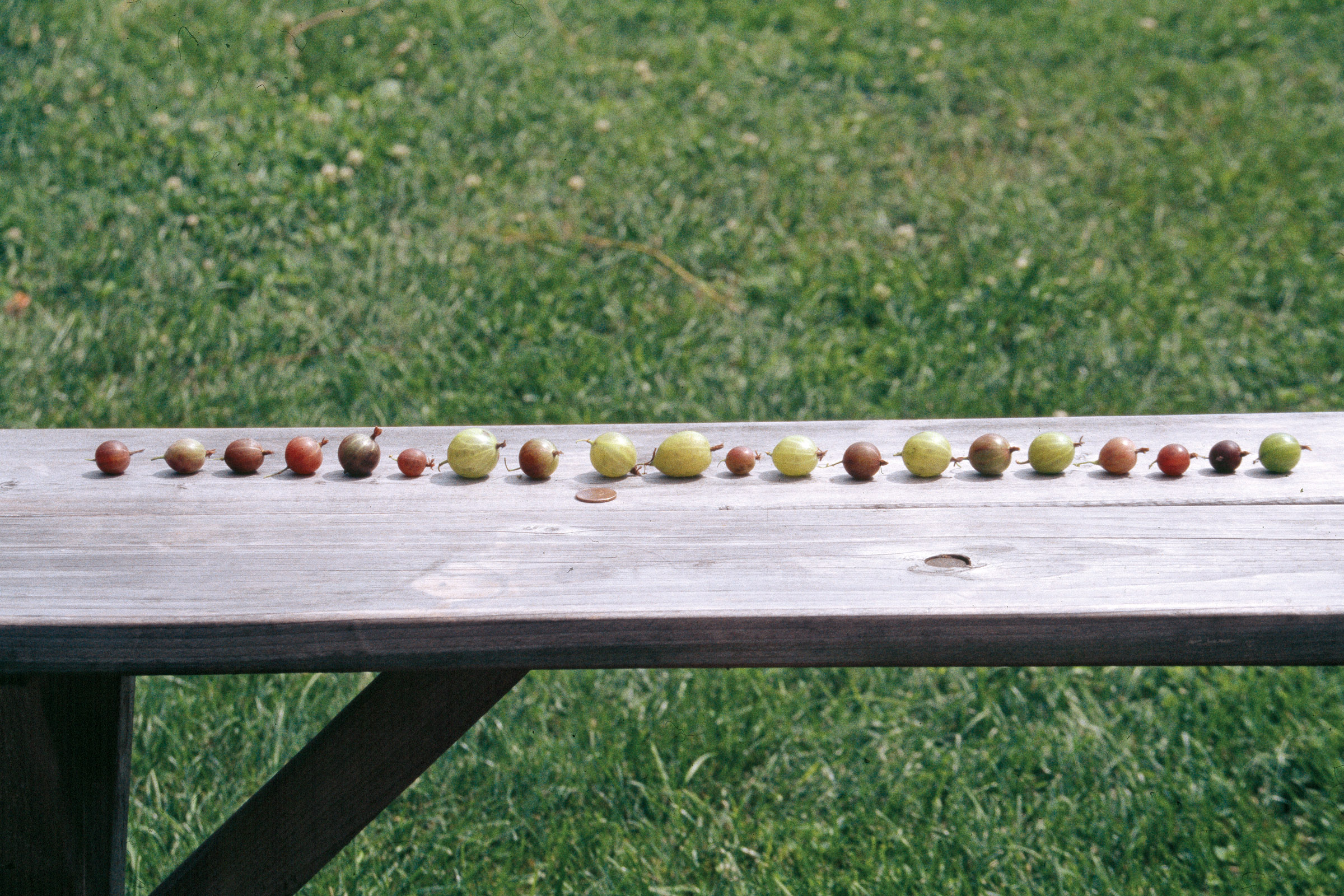
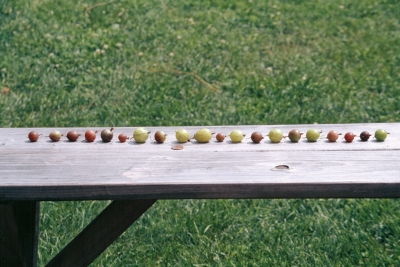
To us gardeners, a germplasm collection is a collection of plants or seeds. Forty years ago, I started amassing a collection of gooseberry varieties, A collection that swelled to almost fifty of them! Besides offering good eating, that group of plants was at the time one of the largest germplasm collections of gooseberries in the country.

My gooseberry varieties

Some of my gooseberry varieties

Read more

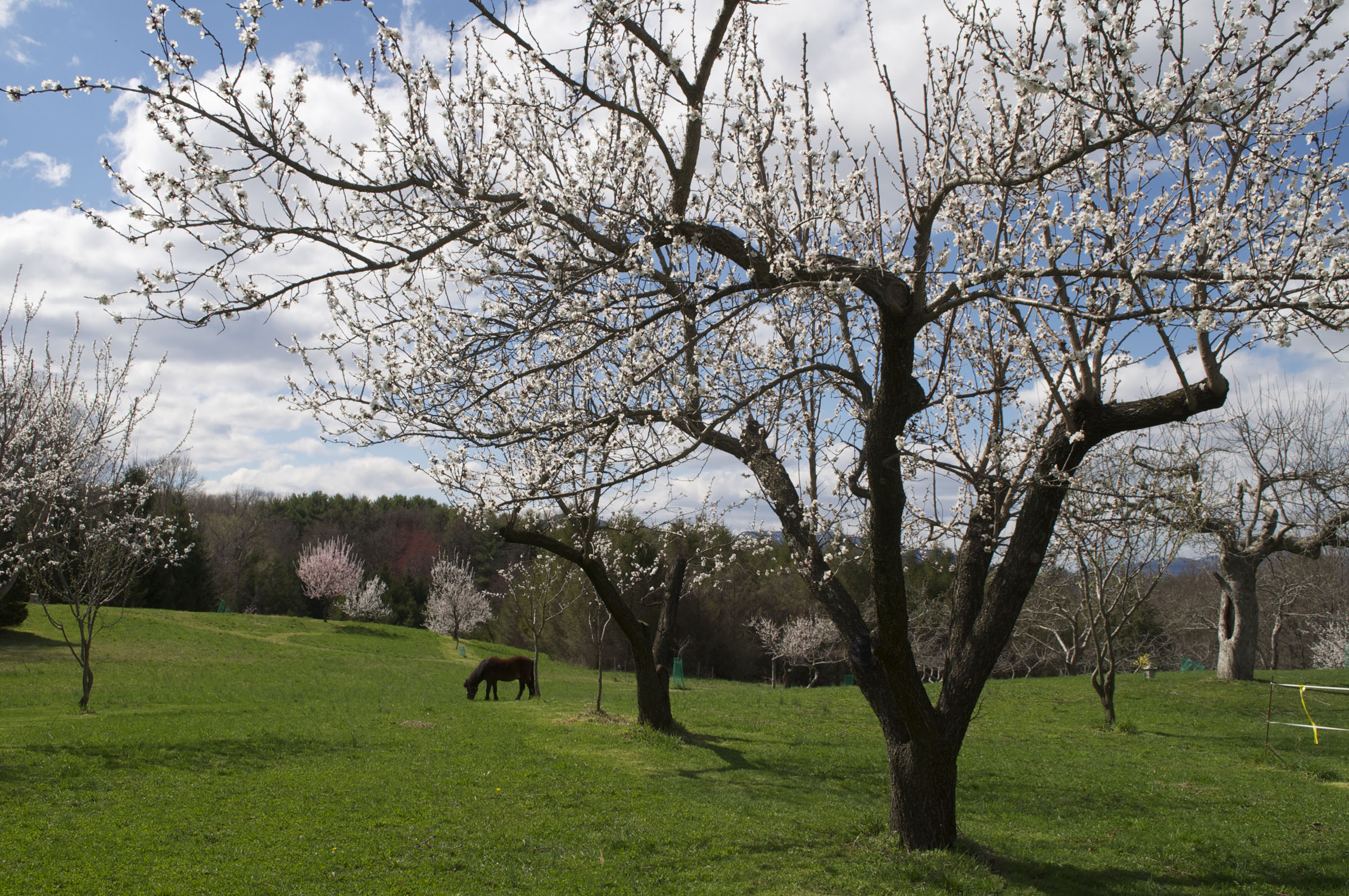
Apricot orchard n bloom

HEY BUD

Budding Interest

Winter is a good time to look at some of the finer details of trees and shrubs — their buds, for example. Buds!? Bo-o-o-oring, you say? Not really, if you take the time to appreciate details such as their shapes, colors, and textures.

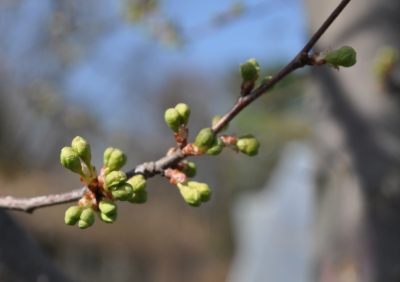
Plum buds about to pop

Plum buds about to pop

Buds can do more than just help you wile away winter hours. They can disclose a plant’s identity as well as foretell for you what what’s in the offing for the upcoming growing season as far as flowers and fruits. Read more

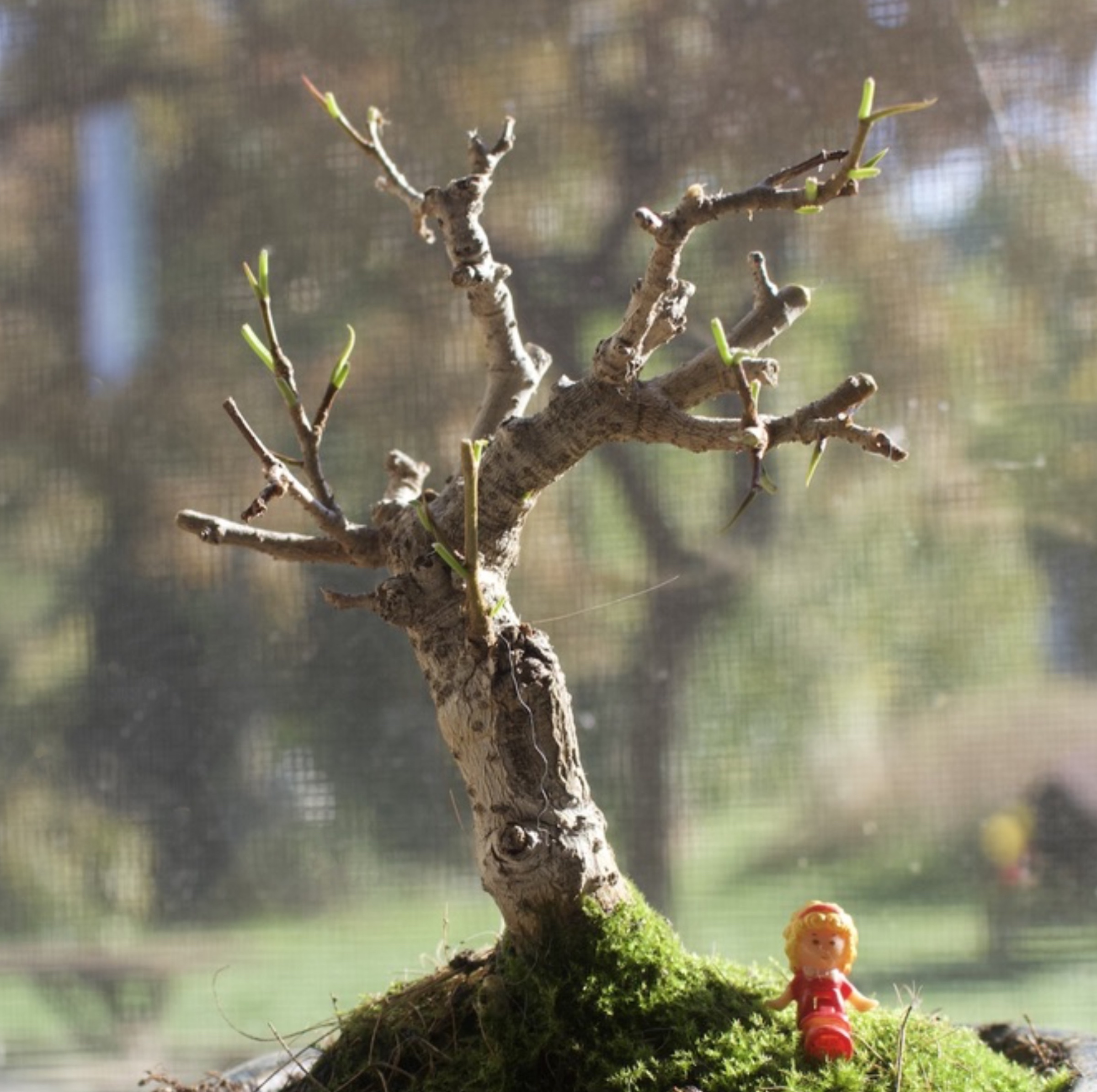
Bonsai at 12 years old

TINY TREES

Background

I was admiring my bonsai and thinking what it was going to need in the coming months, so decided to share the process, the plant, its evolution, and needs with you.

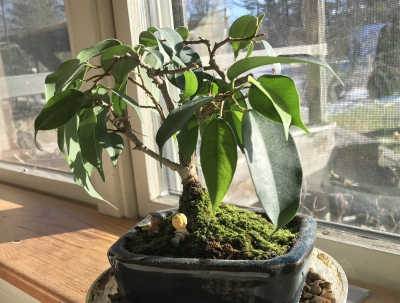
My weeping fig

My weeping fig

(Some of what follows is briefly excerpted from my book, The Pruning Book, available directly from me, signed, as well as the usual sources. My updated comments are in italics.)

Bonsai (pronounced BONE-sigh) is the growing of plants, usually woody plants, in shallow pots. The art began in China almost two thousand years ago, then was carried to Japan during the Kamakura period (1180-1333), where it was brought to a high state of perfection.

A bonsai planting portrays, in miniature, a natural theme — the rugged beauty of a gnarled pine on a windswept slope, the tranquility of a grove of larches, the joyousness of spring in the cascading branches of an old fruit tree bursting into bloom. Read more

CAT NIPPING, NOT SO GOOD

A Nonsymbiotic Relationship

Cats like houseplants, but houseplants don’t particularly like cats. Or, at least, cats don’t do houseplants any good.

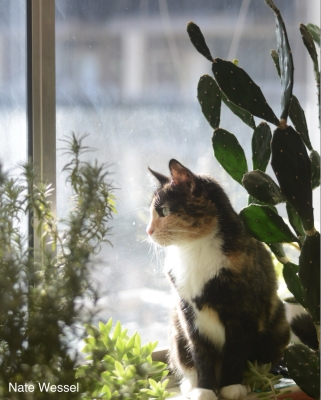
Cat at window

Take my ponytail palm, for example. My cat is an outdoor cat, but I know if she came indoors, what a grand time she’d have jabbing her claws playfully at the ends of the ponytail palm’s wispy leaves. She’d do the same for my orchid’s flower stalk, now weighed down with a row of delicate blooms. Either plant would emerge from such play worn and frayed.

There’s not much you can do once a plant catches your cat’s fancy, except Read more

Shipova fruit

SORBUS’ WORTHY OF ATTENTION

Good for More then Youth Artillery

As children, my friends and I were well acquainted with mountain ash trees. European Mountain Ash (Sorbus aucuparia) was ubiquitous to suburban home lots in the Northeast in the 1950’s, and the trees were readily recognized by their ferny leaves and clusters of flashy berries that also served as artillery.

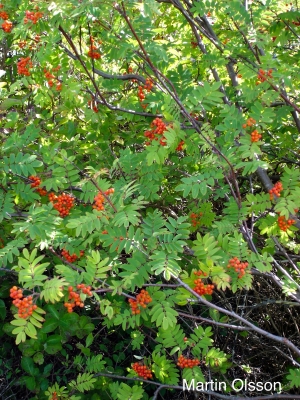
European mountainash leaves and fruit

European mountainash

Since that time, mountain ashes have fallen out of favor — and rightly so in many cases. Like our native white birch, European Mountain Ash is native to cool, moist habitats. When planted in sun-drenched backyards where summers are hot, sometimes droughty, they fall prey to borers and other ills. Those berries aren’t actually berries, but pome fruits like apples, to which mountain ashes are closely related and with which they share many of the same ills.

No reason to ignore the whole Sorbus genus, though Read more

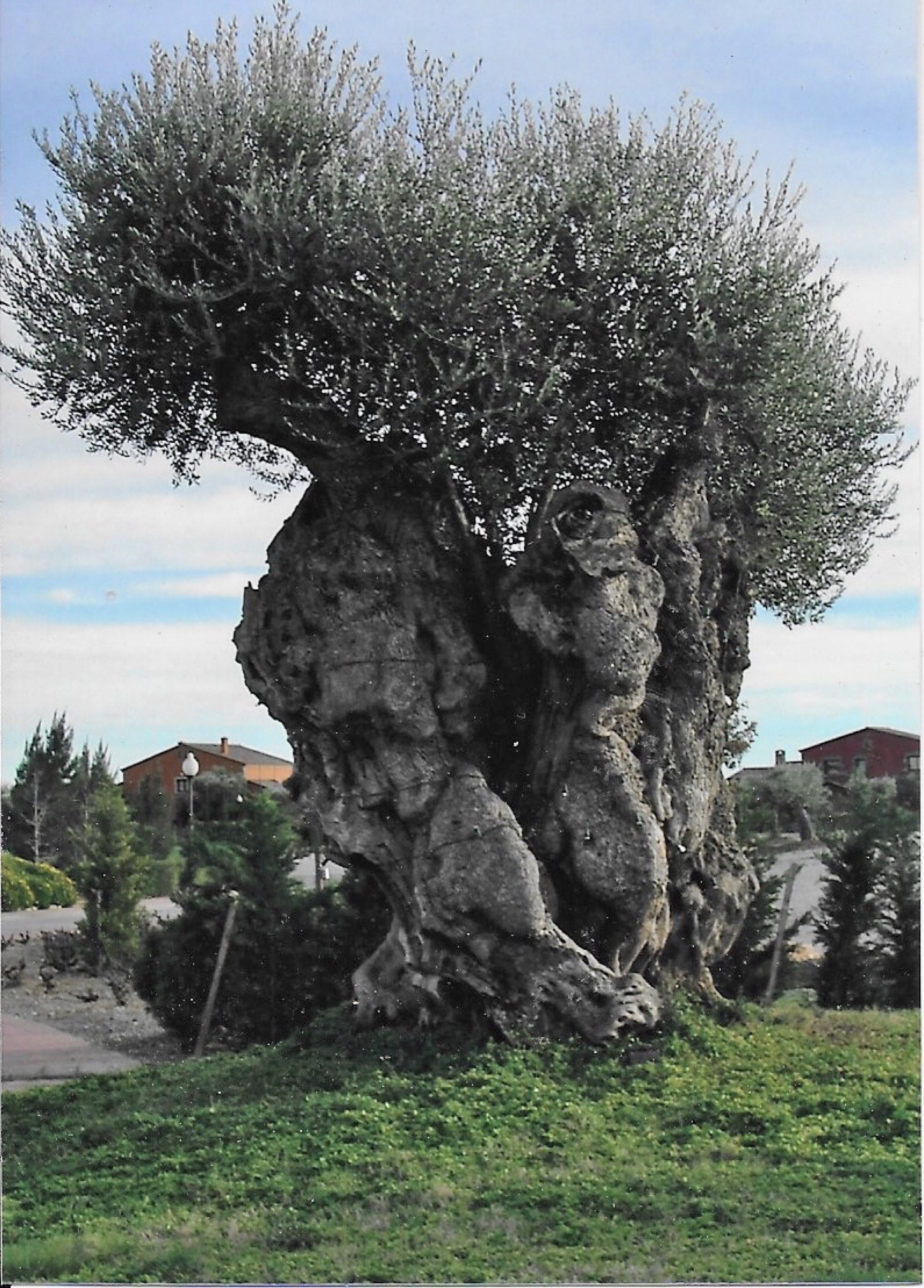
Old olive tree in Spain

O OLIVE TREE, O OLIVE TREE, HOW LOVELY ARE . . .

Consider the Olive

I’m not suggesting that olive trees should elbow out spruces, firs, and other conifers that are our traditional Christmas trees. Still, an olive tree symbolizes peace and is a tree you actually would find growing in Jerusalem, so is an appropriate accompaniment to the holiday season.

Old olive tree in Spain

Old olive tree in Spain

Even if you’ll never see strings of light bulbs corralling cut olive trees together on bare lots of land the way they do cut Christmas trees, you could Read more

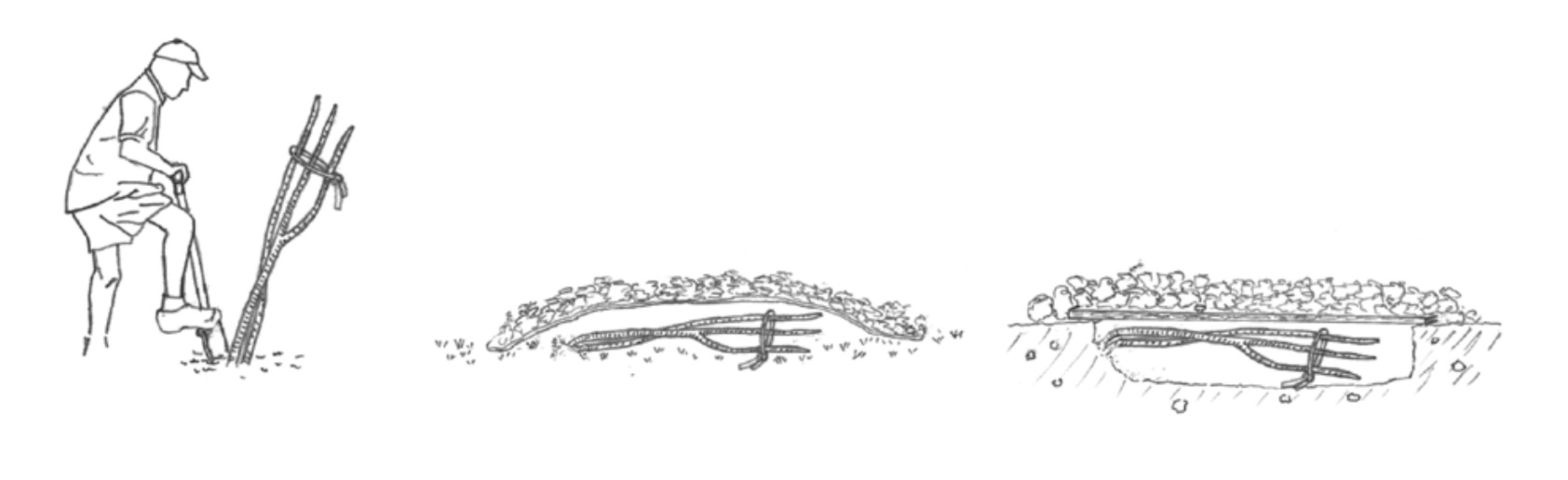
Laying down or burying fig for winter

INTERMENT, BUT NOT DEATH

(The following is from my book GROWING FIGS IN COLD CLIMATES) 

The Warm Earth

I buried two fig plants a few days ago. No, not because they died. The reason was night temperatures occasionally dipping into the low ‘teens (13°F, to be exact, on December 4th), which is just about the limit for fig stem survival. If the stems die from cold, there’ll be no fig harvest from them them next summer.

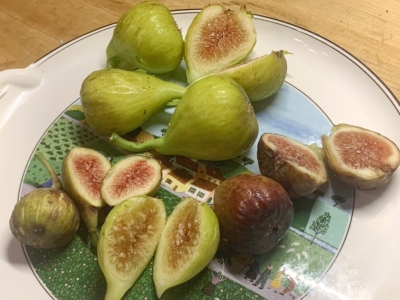
Last summer’s figs

So what’s the connection with cold and burying the plants? The ground is a repository of heat; dig a few feet down Read more

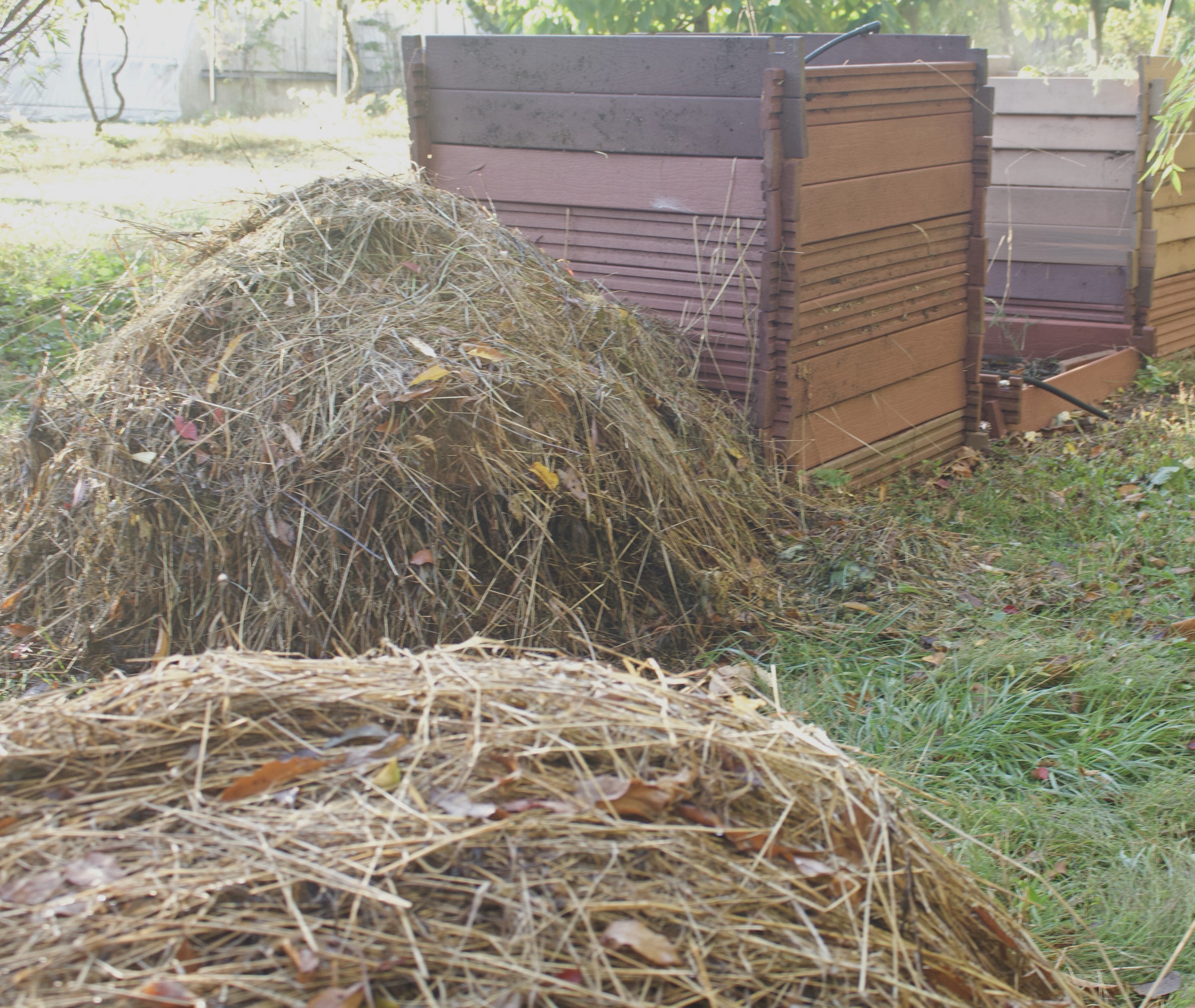
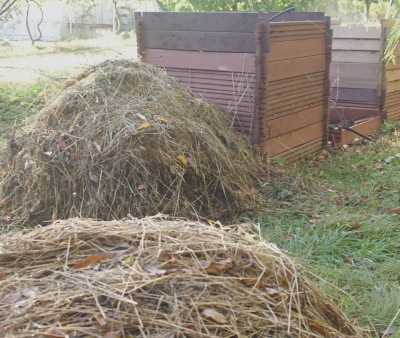
Mowings from hayfield

MUCKRAKING, THE GOOD KIND

Many Meanings

“Muck” has some bad connotations. Among dictionaries’ definitions are such synonyms as “dirt,” “rubbish, or, worse, “slimy dirt or filth.” But that’s only part of the story. Especially across the Atlantic, muck is more aligned with “manure” or the diggings from soil especially rich in organic matter. (I once had, perhaps still have if I can find it, an older British gardening book all about muck.)

Muck, let’s use the Britishism, is really wonderful stuff. Plant roots revel in this fluffy material, and the result is dazzling flowers, luscious fruits, and cushiony, green lawns. I prefer the word “humus” to muck, but two people I questioned thought that humus (pronounced HEW-muss) was a Middle Eastern appetizer (which is hummus, pronounced HUH-miss). Another name for muck could be “soil organic matter” but seems too vapid for this dark, moist stuff that is seething with nutriment and life. Compost is a form of muck.Mowings from hayfield
Leaves have fallen from trees and gardens are shutting down for the season, making now an especially good time of year for, er…mucking around. Read more