
Teenager rolling eyes

PLANTS FOR TEENS

Do This! Do That!

The teenage years are turbulent times. Yet there are a couple of plants that could soothe the teen spirit, whether said teenager is a gardener or not.

Newfound independence makes a teenager soon tire of being told to “do this” or “do that.” Letting a teenager dish out some of this himself or herself might assuage some of the bother in hearing it. And the plant for this job is obedience plant, a plant that gets it’s name for how well the flowers obey. Botanically, the plant is Physostegia virginiana, but it also parades under the common name “false dragonhead”. Hmmmm.

At any rate, point the plant in whatever direction desired — to have them all flowers face outwards in a vase, for example — and theyill stay put.

Even we parents of teenagers can enjoy obedience plant, not because it obeys without an upward roll of its eyes or murmuring, but because it’s a pretty plant, obedient or not. Teenager rolling eyes Its flowering wands rise three or four feet high, each closely studded along its top portion with tubular, lipped blossoms that are lavender pink with darker speckles. Read more

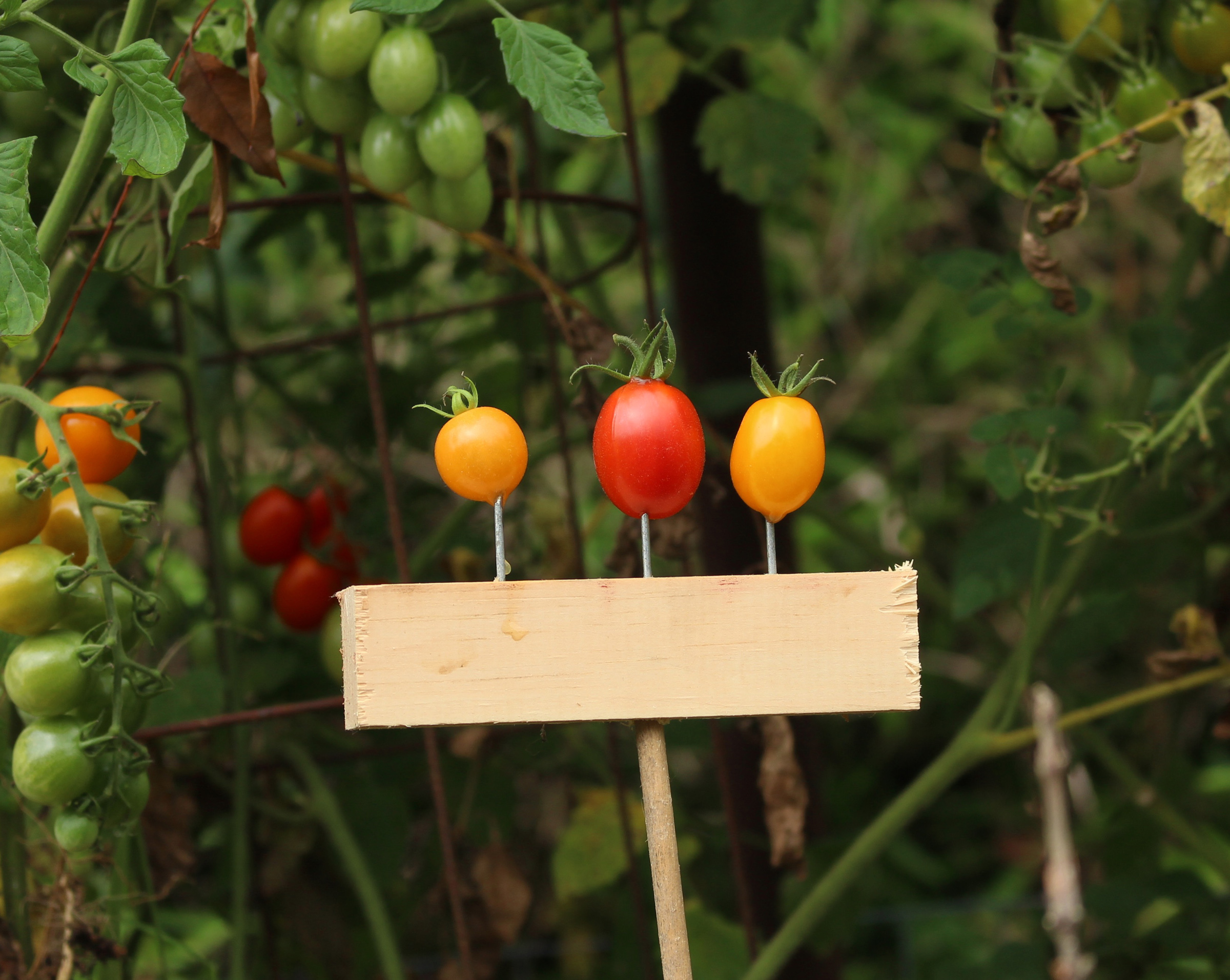
Cherry tomatoes

EASY RICHES

Tasteless Tinies

Truman Capote said something to the effect that the difference between the super-rich and the rest of us is that the super-rich eat tiny vegetables. So there’s another plus for gardening: It’s easy to be super-rich, or at least eat the way the super-rich do.

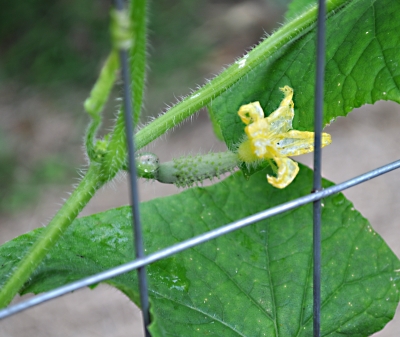
Not that smaller is always better in the world of vegetables. A cucumber picked undersized does not taste better and is surely not as juicy than one allowed to swell up before harvest — as long as that full-sized one is picked before its skin yellows and seeds start to harden.Baby cucumber

Similarly, the taste of baby carrots can’t compare with fully grown ones, unless the “baby” size is how big the carrots are supposed to be when fully mature. Read more

Dayflower

FLOWER FOR A DAY, JUST ONE

So Sad

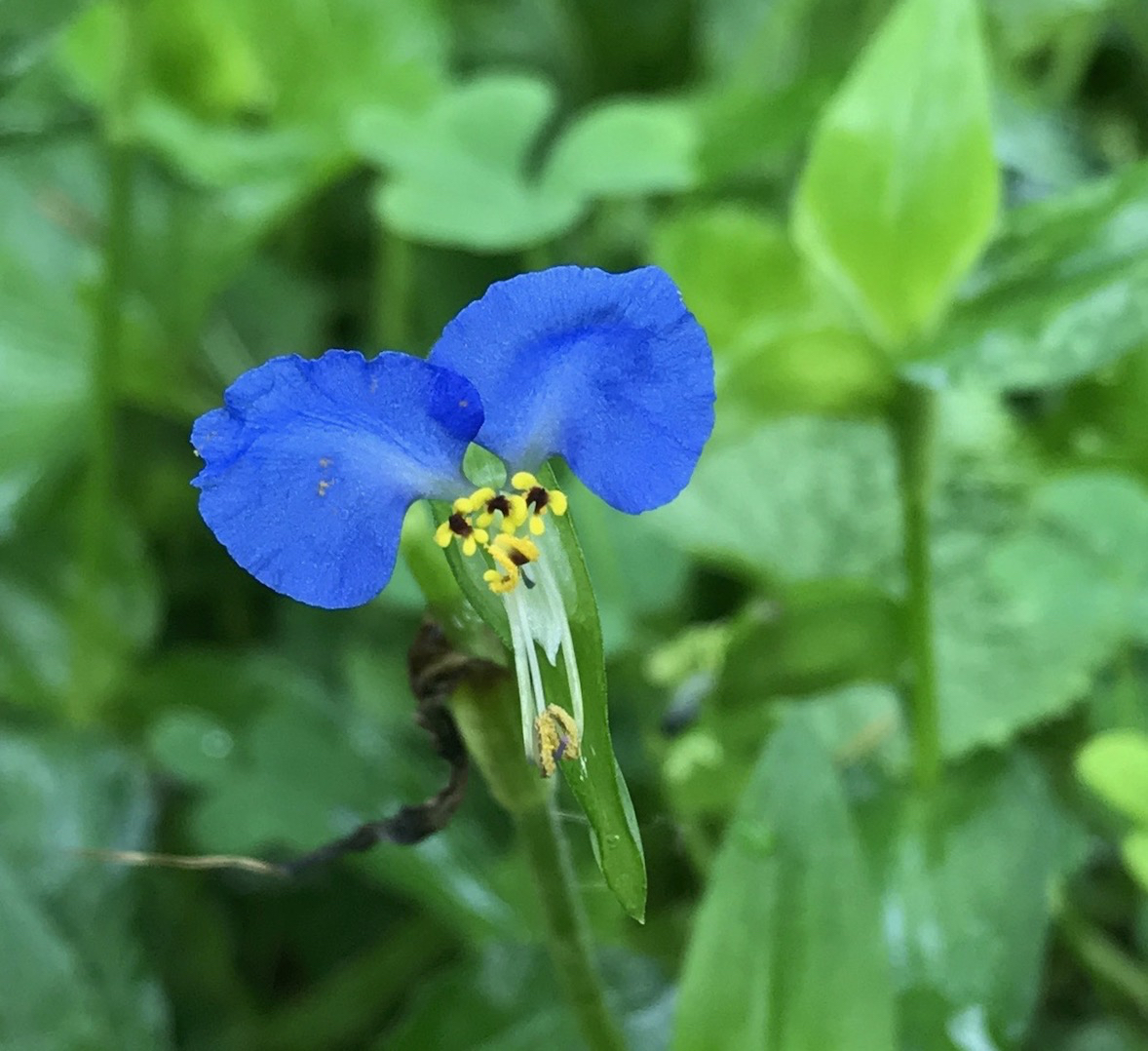
The cheery blue color of dayflowers — so named because each flower lasts but a day — does nothing to dispel some pity I feel for them. Not that the petals cry out for my sympathies. You have to get fairly close to the plant, or really stop and look at it, to even see its blossoms.

The reason for my pity demands an even closer look at a dayflower. Zoom into the flower, where you’ll see two prominent azure petals, and then, further below, behind two prominent, anthers that swoop forward, you’ll see a third petal, this one pale in comparison to the other two, and much smaller.Dayflower

Those petals are what give dayflower its botanical name. Carl von Linnaeus, the founder of our present system of plant nomenclature, gave dayflowers the botanical name Commelina to honor two brothers of an eighteenth century Dutch family who were shining stars in botany at that time.

Why two brothers and three petals? It turns out that there was a third brother Read more

Swiss chard

POPEYE’S NEEDS

Can’t Have It

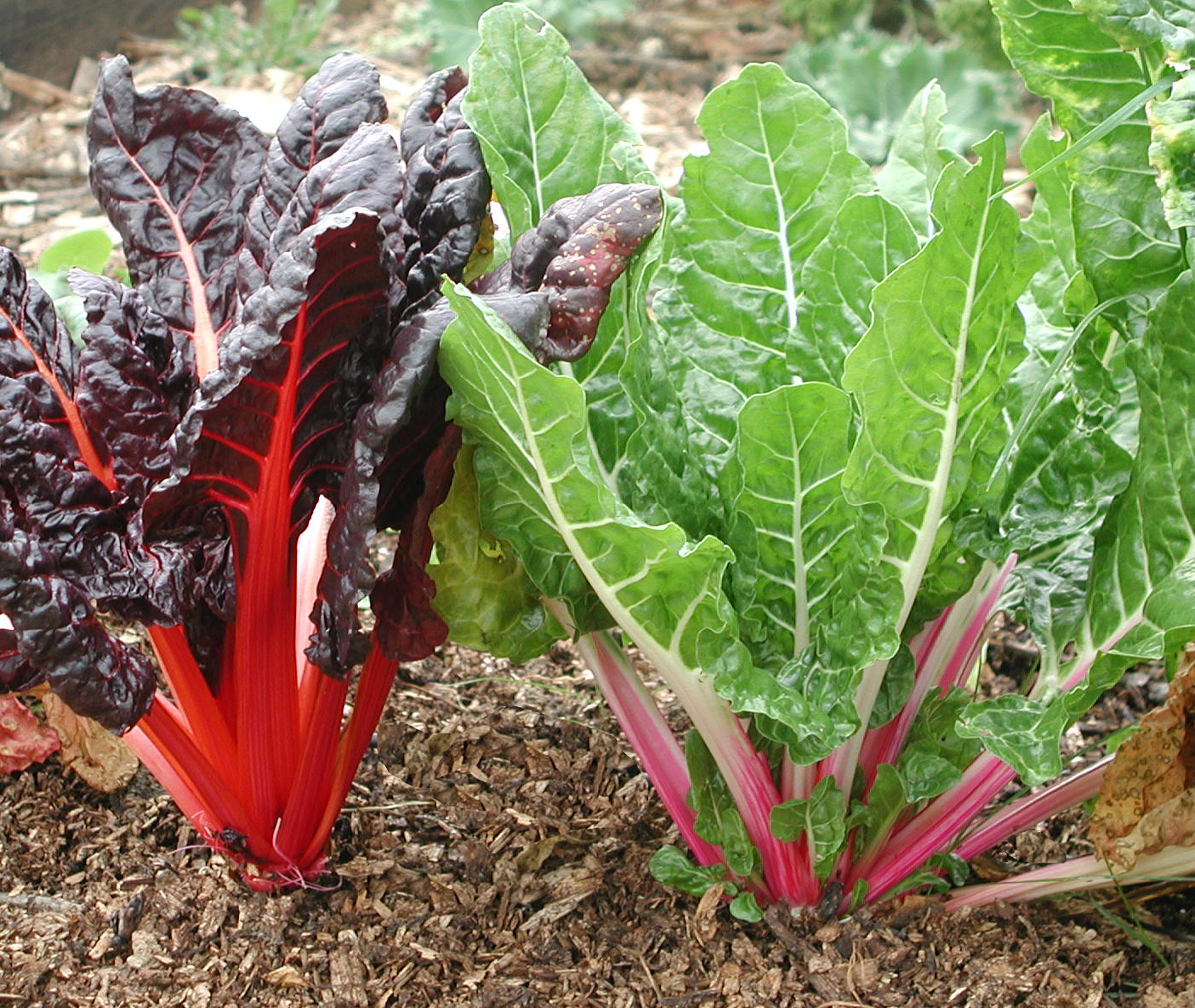
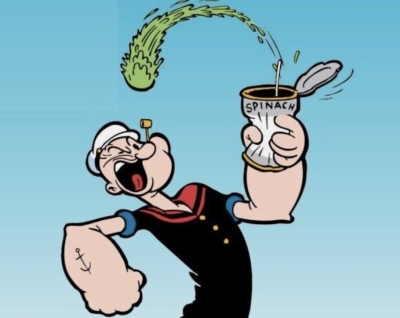
Popeye ain’t the only bloke who’s gotta have spinach on tap whenever the urge strikes him. Some gardeners have similar needs — not me, though, who, come summer, gravitates to peppers, corn, tomatoes, and cucumbers. And being gardeners, you spinach lovers want freshly picked spinach, not that wan stuff that Popeye squeezes out of a can.

Popeye with can of spinach

No matter how good a gardener you are, though, you can’t grow spinach this time of year (a statement that will no doubt be challenged by some reader who IS growing spinach now). Spinach is sensitive to cycles of night and day, and our summer’s short nights induce the plants to send up seedstalks, then die, instead of growing the succulent, broad leaves they do in spring and fall. Read more

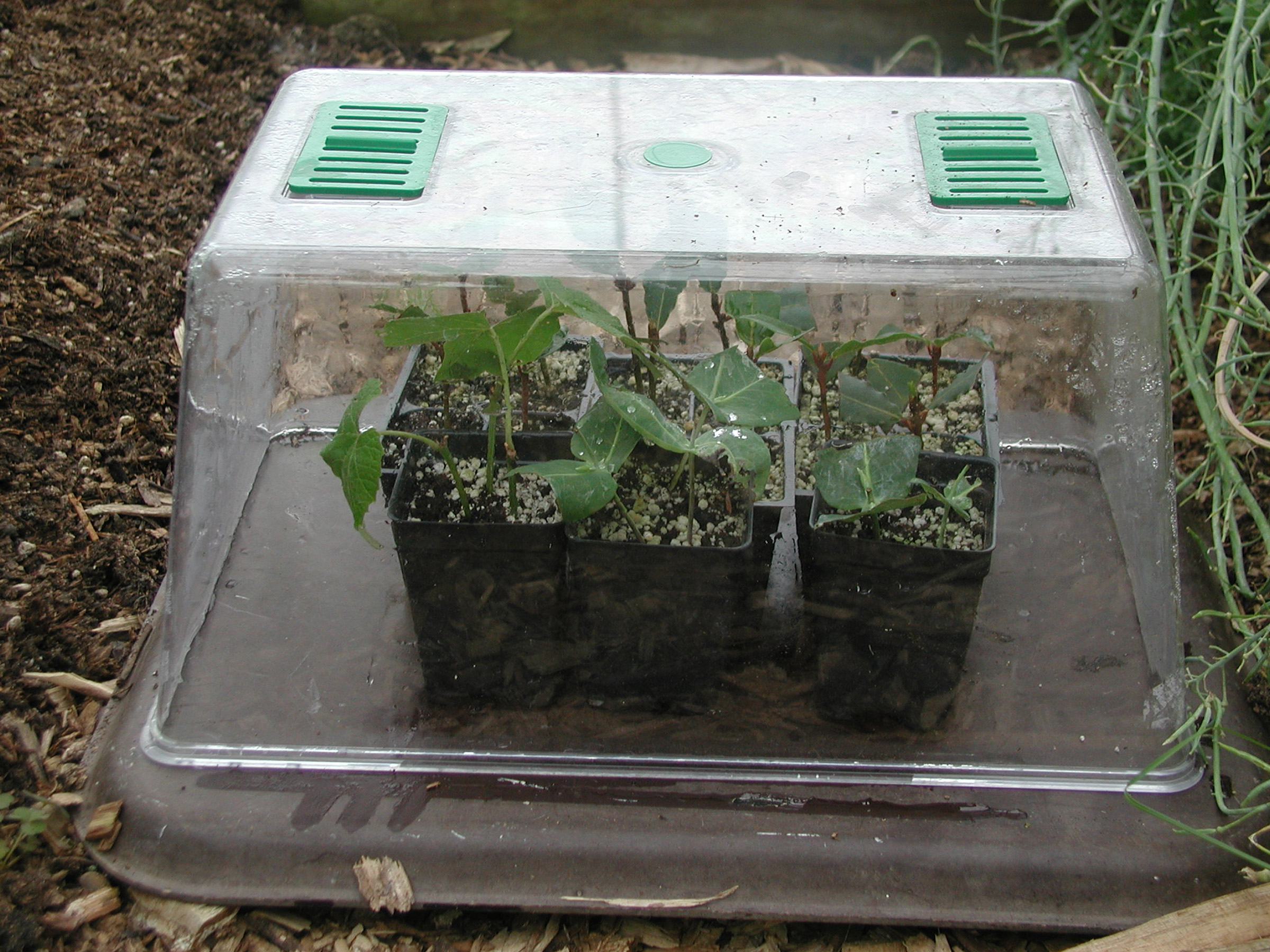
Clear dome maintains humidity in the propagator

FINDING MY ROOTS

FINDING MY ROOTS

Totipotent Cells

Take a look at new shoots growing on a favorite shrub or vine and you’ll see that the bases of these shoots may be beginning to toughen up, becoming woody. Such shoots, snipped from the mother plant as so-called half-woody cuttings, can be rooted to make new plants. Two other types of stem cuttings are softwood cuttings, taken while shoots are still green and succulent, and hardwood cuttings, taken from thoroughly woody, often leafless, shoots.

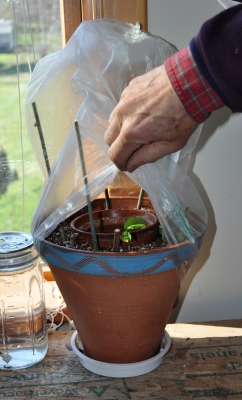
You can make whole, new plants from any of these cuttings; I’ve done it for years. But be careful because rooting cuttings to make new plants can become addictive. And then you have to figure out what to do with all your new plants. (Hence, my annual plant sales.)Propagator for softwood cuttings

Cuttings are one of many ways to clone plants, that is, produce new plants that are genetically identical to the mother plant from which the stems were taken. Read more

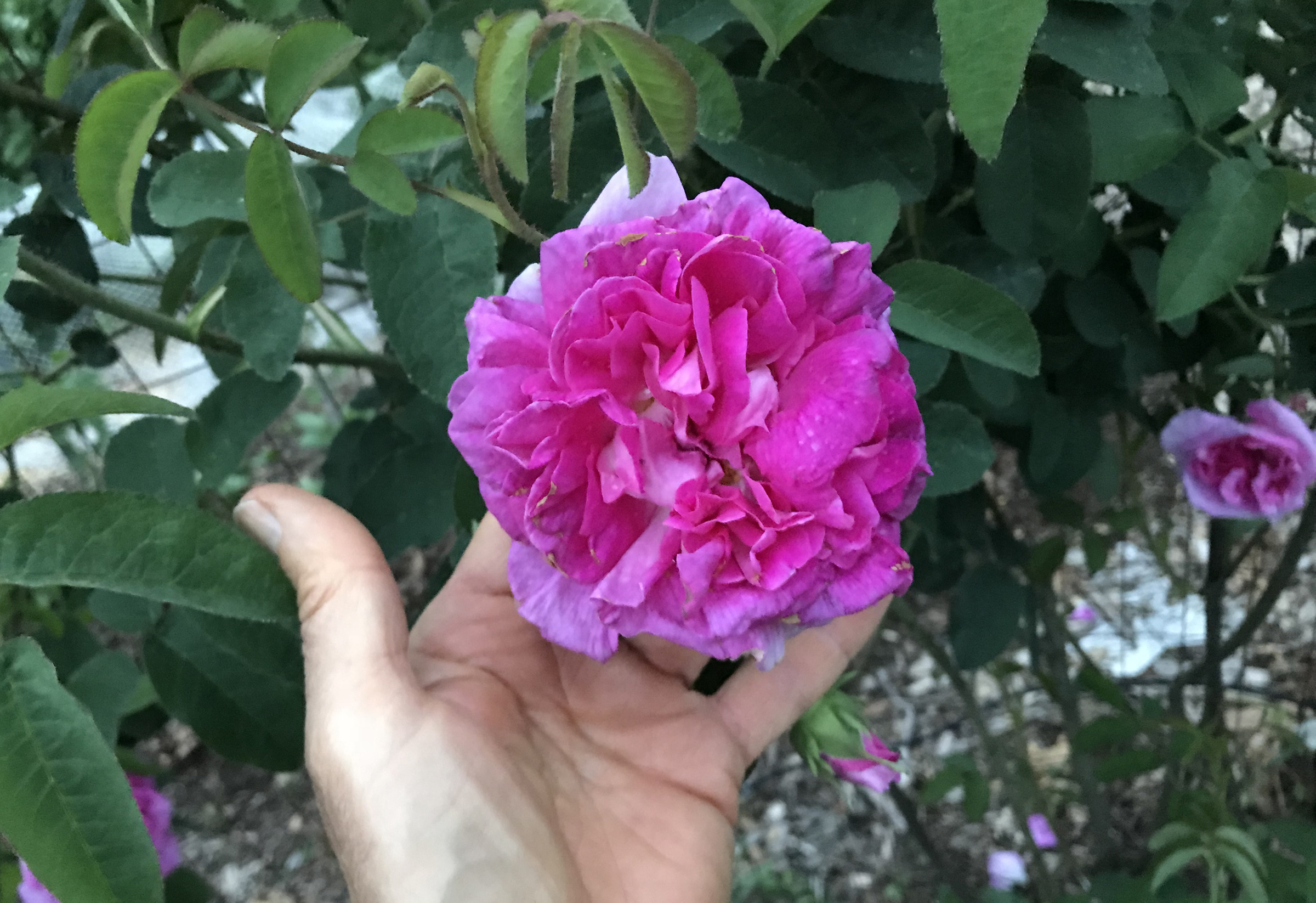
Rose d'Ispahan fully open

GARDEN AROMATICS

Some Good, Some Not So Good

One of gardening’s pleasures    for me, at least    is that it makes scents. Ha, ha. But seriously, wave after wave of scent has wafted across my terrace since the garden awakened in early spring. Back then, the most prominent aromas were from daffodil blossoms, followed by those of plum, clove currant, Koreanspice viburnum, and then dame’s rocket.

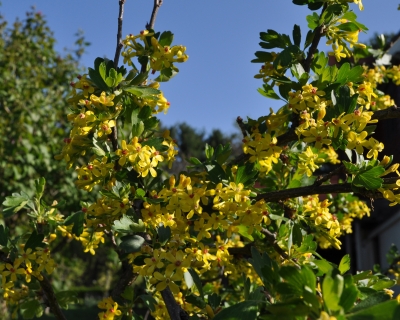
clove currant

Clove currant

Olfactory pleasures, like the other sensual pleasures that flowers afford us, are incidental to the flowers. Evolutionarily speaking, we don’t return the favor with anything more than the carbon dioxide that we    and other animals    exhale.

Rather than smelling pretty for us, flowers do so to attract pollinators. Read more

Mexican "truffles"

SWEET CORN: OLD VARIETY, MODERN GROWING

Genetics: Up, Up, Up with the Sugar

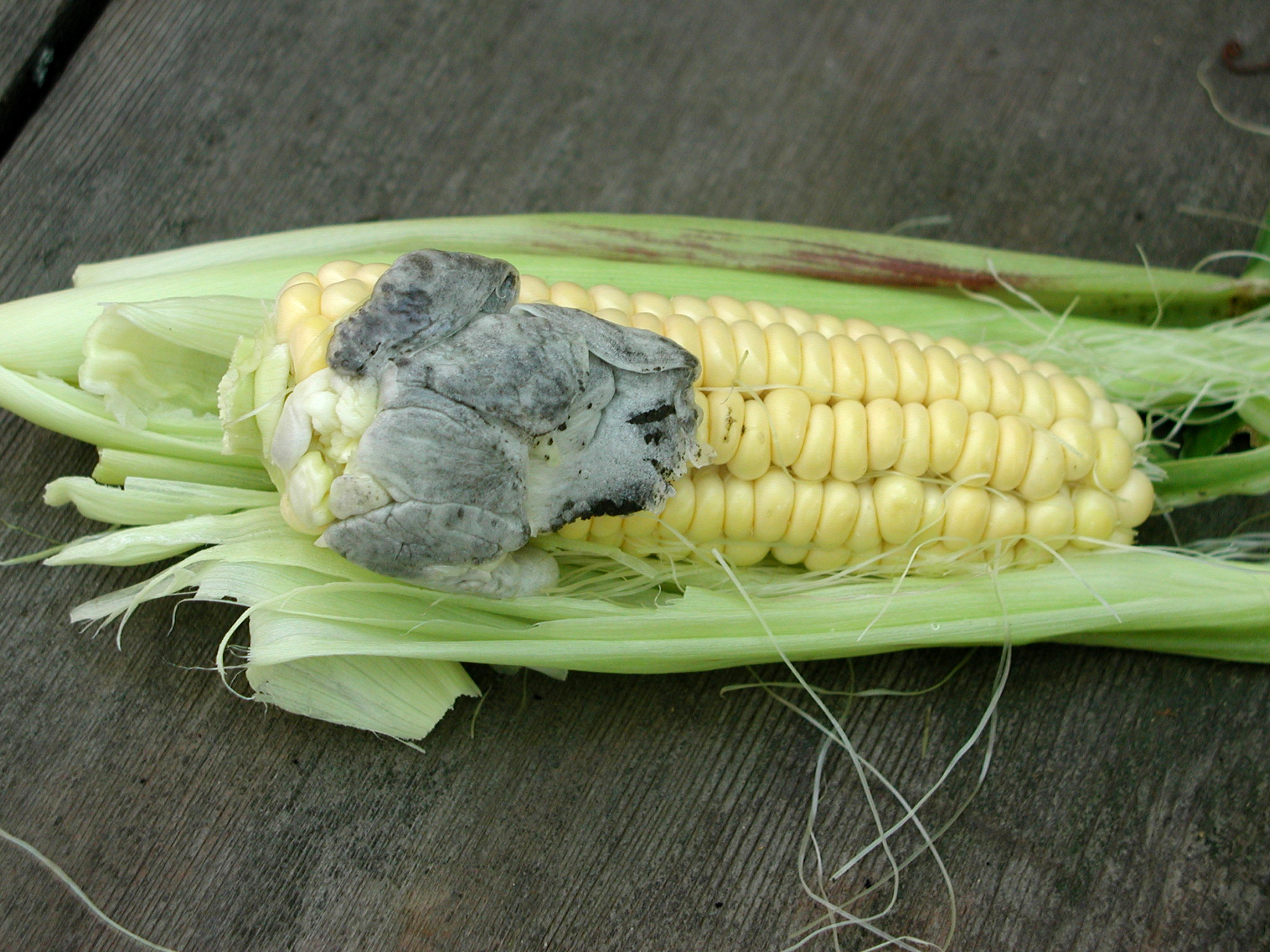
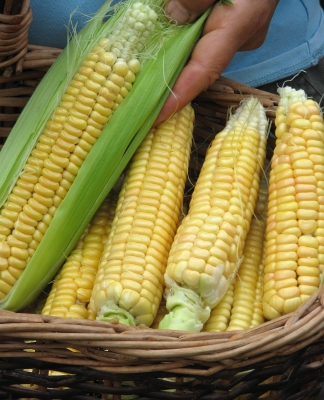
I plan on eating sweet corn almost daily from about the middle of July until early autumn. I know the arguments against growing sweet corn in a backyard garden: It’s cheap at the farmstand and space-hungry in the garden. What’s more, the most modern, “supersweet” varieties hold their sweetness for days.

The supersweet varieties are truly supersweet. But “supersweet” is too much of a catchall term. Old-fashioned corn, the Papoon corn developed around 1750 by the Haudenosaunee Confederacy and still available today, is noted for its creamy texture and 9 percent sugar due to its SU gene. Unfortunately, those sugars start changing into starch as soon as an ear is harvested.

Golden Bantam sweet corn

Golden Bantam sweet corn

In the latter half of the 20th century, “Sugary enhanced” sweet corn came on the scene. The SE gene incorporated into sweet corn varieties jacked sugar levels up to 17 percent. More Sugar meant more time for sweetness to hold following harvest. SE kernels are very tender.

Soon after, another gene, SH2 or “shrunken-2,” was found, which pushed that sweetness even higher, up to 35 percent! Read more

Marigolds

A GEM OF A MARIGOLD

Some Marigold Species

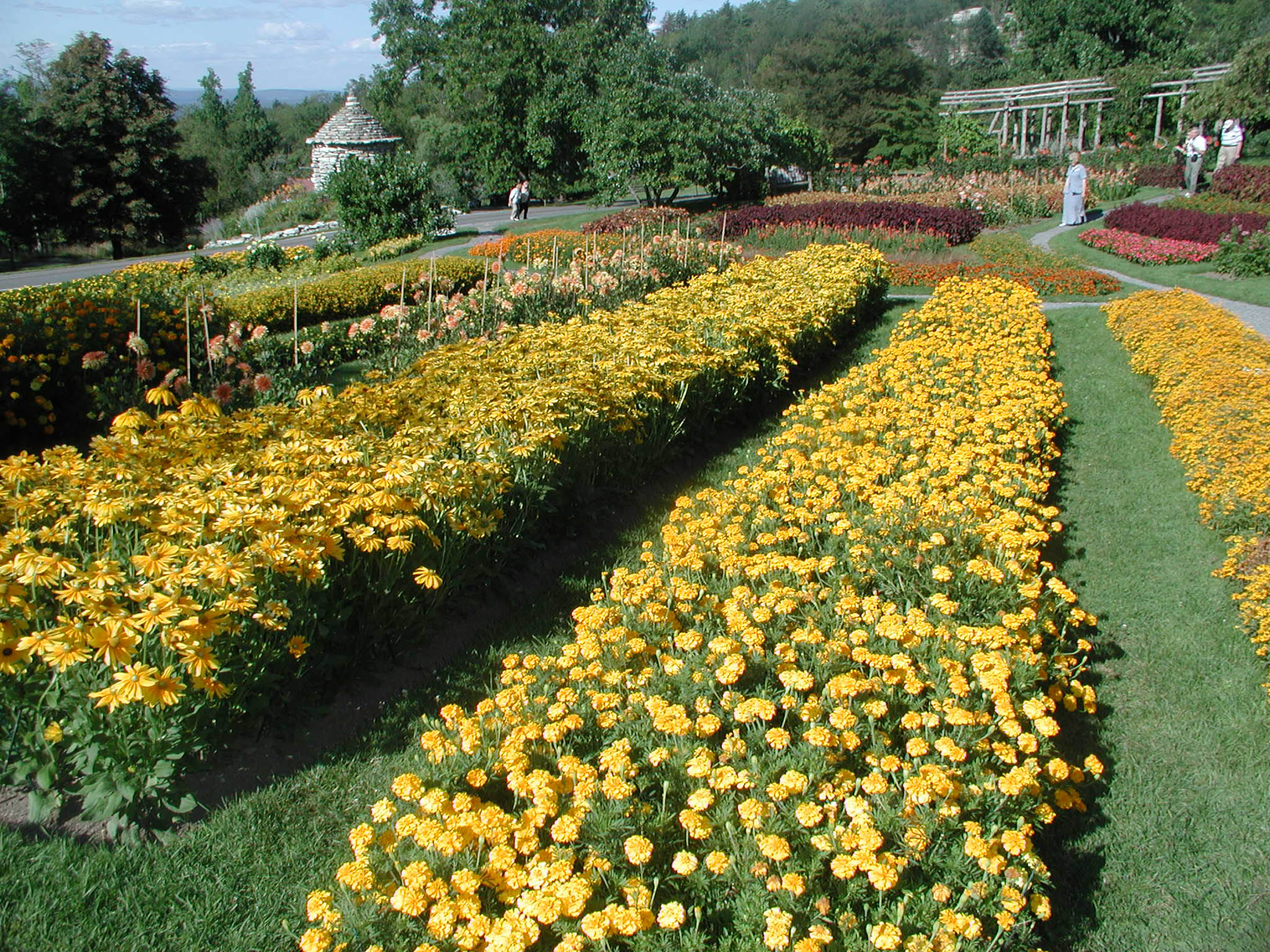
Marigold is among the most widely planted and, hence, mundane of flowers, so merely writing the word is might make you yawn. Still, I count myself among those who enjoy marigolds, and welcome them as part of summer’s essence with their yolk-yellow blooms and pungent foliage. To please both camps of reader — those of you bored by marigolds and those of you enamored by marigolds — let me introduce Lemon Gem and its other lesser know kin.

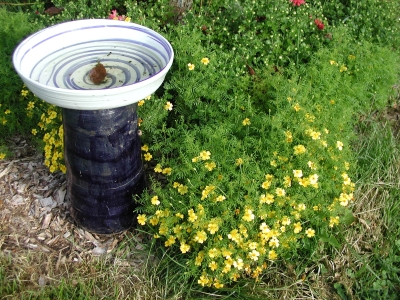
Lemon Gem is unlike the marigolds familiar to most people. In fact, it belongs to a different species (Tagetes tenuifolia) than the French marigold (T. patula) or African marigolds (T. erecta) soon to open their sunny heads all over the place. You grow those marigolds for their flowers, large, solid color pompoms in the case of the African marigolds, smaller, sometimes multicolored single or double flowers in the case of the French marigolds. Read more

Old pear tree and barn

THINNED TREES AREN’T SKINNY

Avoid Extremes

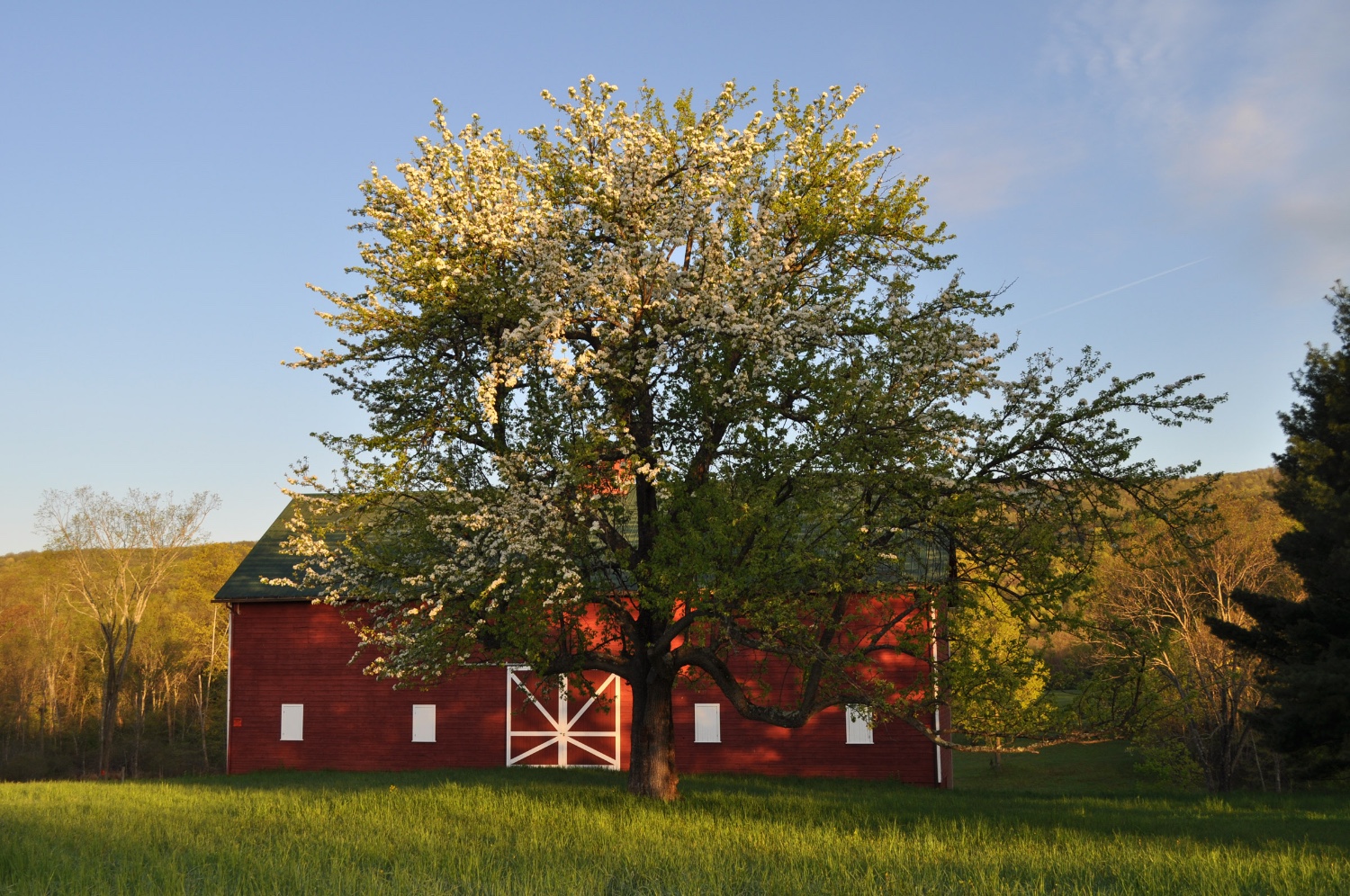
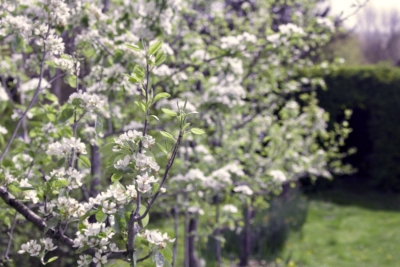
A week or so ago, fruit trees were so full of blossoms that they looked like giant snowballs, foreshadowing a heavy crop of fruit later this season. Too heavy, perhaps, for the branches to support. Too heavy, perhaps, for fruits that are large and luscious. Surely so heavy that next year’s harvest could be paltry.Pears in bloom

Some fruit trees are more prone than others to getting into a feast and famine cycle of a heavy crop one year and a light crop the next. My Macoun apple tree, although it bears delectable fruits, is the worst in this regard among the few apple varieties that I grow. Read more

asparagus seedlings

A CASE FOR ASPARAGUS

The Evidence

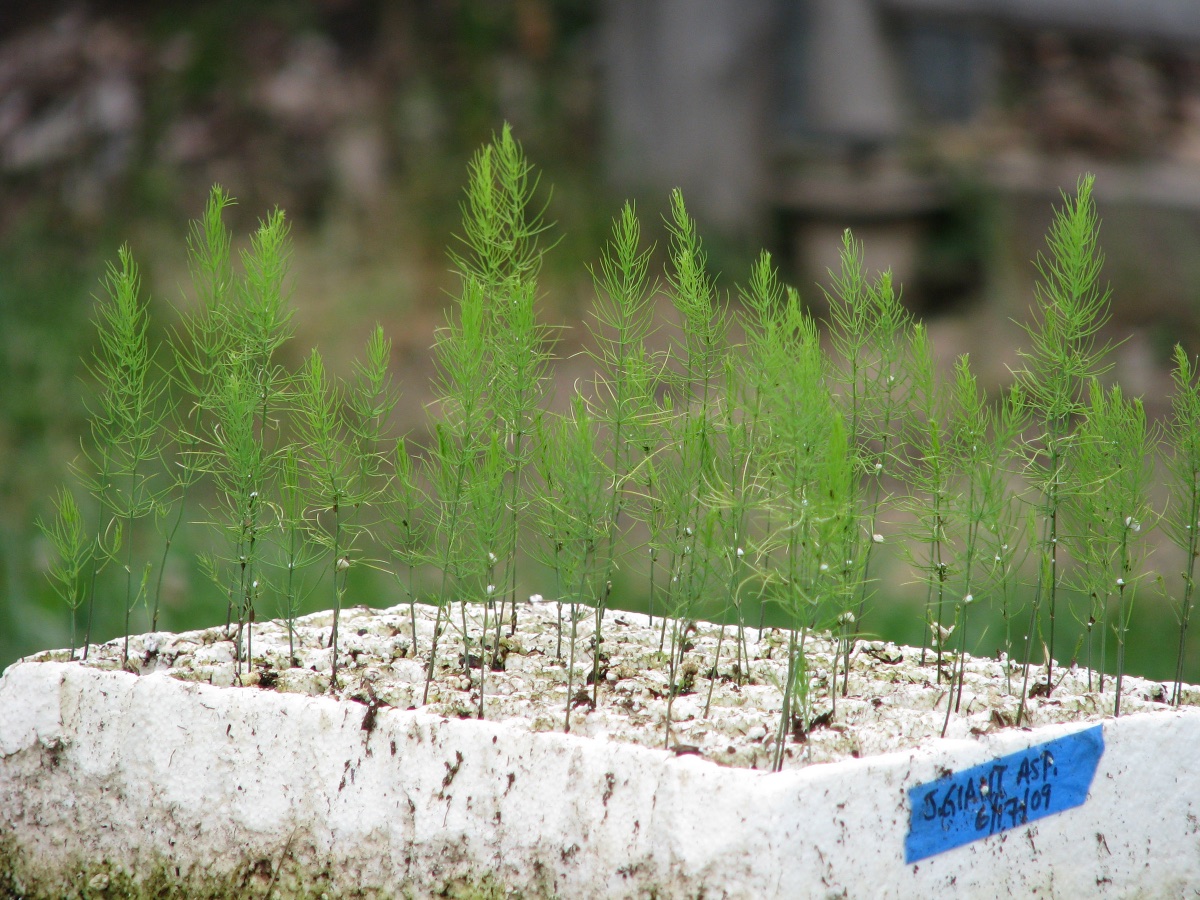
I’d like to make a case for growing asparagus, even if you’re not a vegetable gardener. In fact, vegetable gardeners need not relegate asparagus to the vegetable patch. The plants hold little interest to deer, rabbits and other furry invaders that must be fenced out of vegetable gardens.

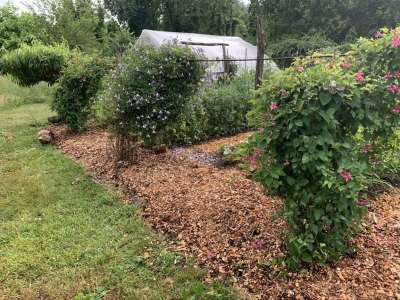
The ferny stems can provide a wispy lime-green backdrop to mounded flowers like lavatera and gaillardia, or an airy foreground to the broad, glossy leaves of holly bushes. My present asparagus provides a backdrop for three clematis plants trained skyward on wire trellises.Asparagus and clematis

Asparagus is especially easy to grow, in part because it is a perennial. My patch is about 25 years old. Read more