CARROTS, YUK!
Lack of Green Thumb, Or Something Else?
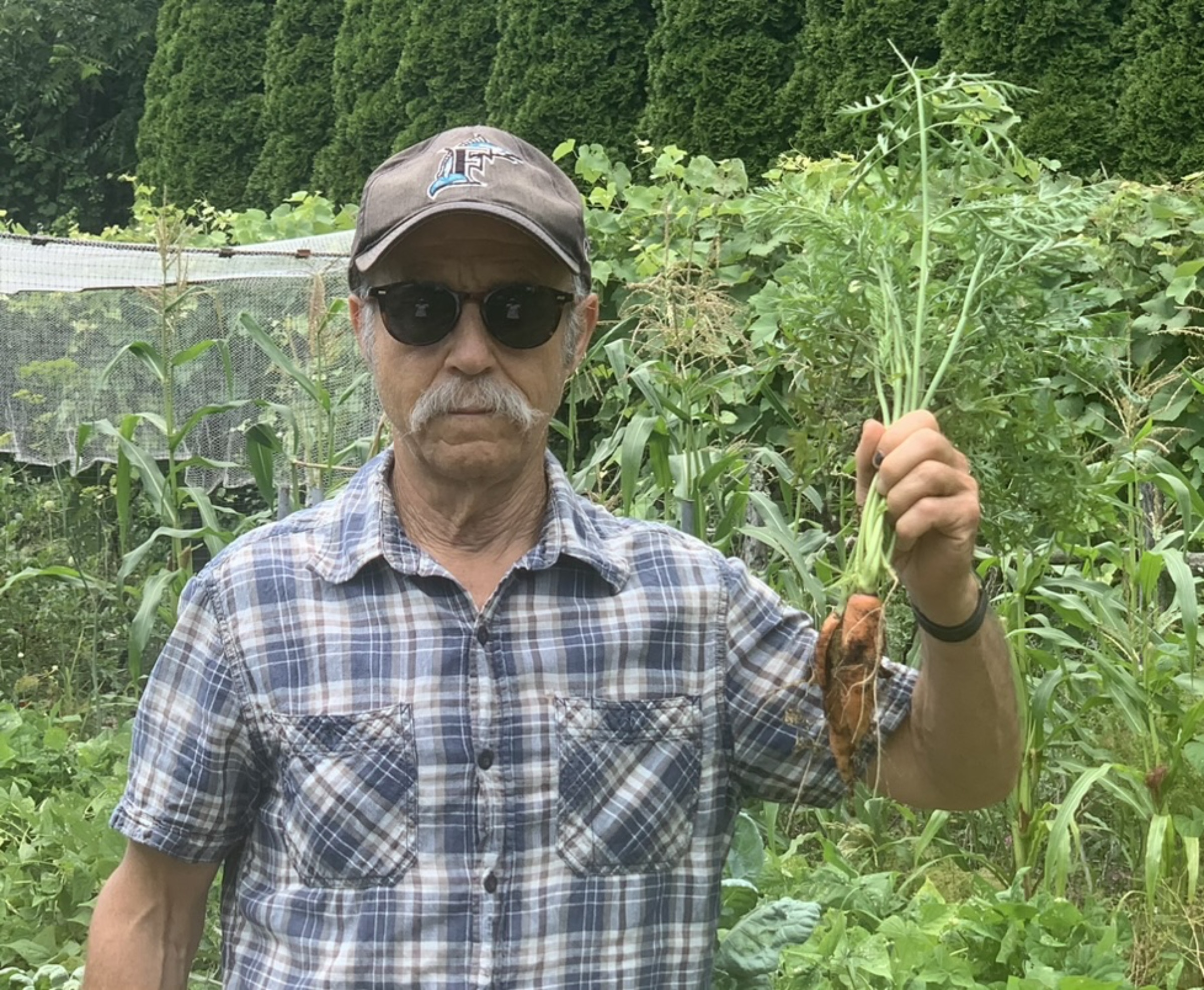
I just sunk my teeth into a carrot pulled mere minutes ago from the garden; the taste was not good! I’m not surprised, because that’s often the case with my carrots. For the reason why, I might turn to a book, one of my books, The Ever Curious Gardener, the last chapter where I talk about the senses, including flavor.
In that chapter I delve into various influences on flavor, things such as soil, light, moisture, day length, and temperature. They’ve all been studied, but mostly each by itself. Quoting myself,
With light, moisture, temperature, day length — so many variables — making their mark on flavor, a more additive approach to growing flavorful crops might be more useful rather than trying to parse out individual, interacting, influences.
This kind of attention has been lavished on studies with carrots by raising them in phytotrons, where light duration and intensity, day and night temperatures, and humidity can be manipulated, in pots of various types of soil. Testing soils and growing conditions mimicking those of Wisconsin, California, Florida, and Texas, the best flavored carrots…drum roll…were those grown in mineral, especially loam, soils as compared with muck soils (drained swamplands rich in organic matter) under mild winter conditions (such as in California). I’m not ready to relocate to be able to grow the most perfect carrot, and no need. Variety choice was still the most important determinant of flavor.
Read more
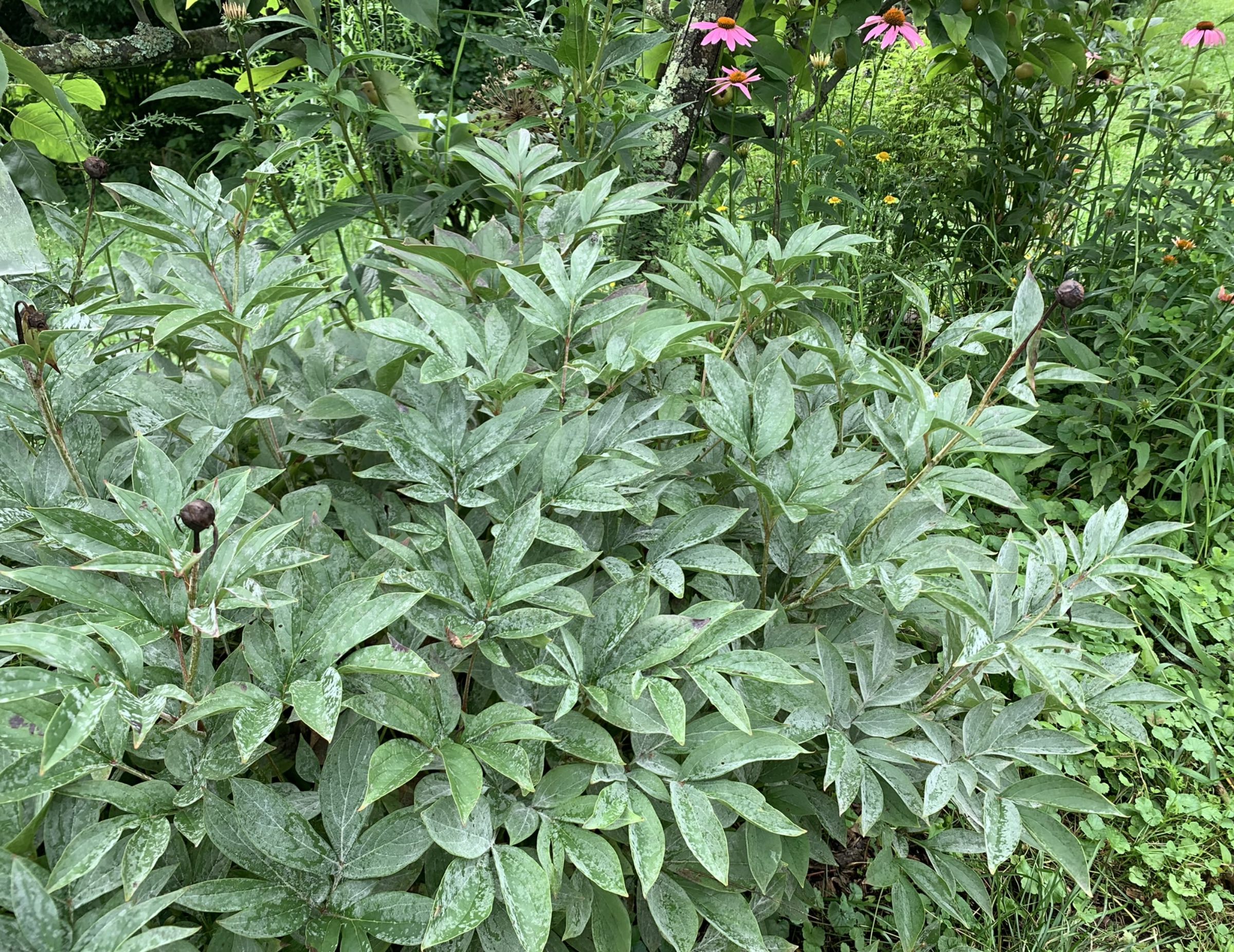
 Even though powdery mildew is pretty reliable in showing up each season on certain plants — this is important! — the disease doesn’t necessarily spread from one kind of susceptible plant to the next. Many different fungi are responsible for the disease we collectively call powdery mildew, and each of these fungi have specific plant hosts. Thus, the fungus that causes powdery mildew on lilac (the fungus is Microsphaera alni) cannot cause powdery mildew on rose (caused by the fungus Sphaerotheca pannosa).
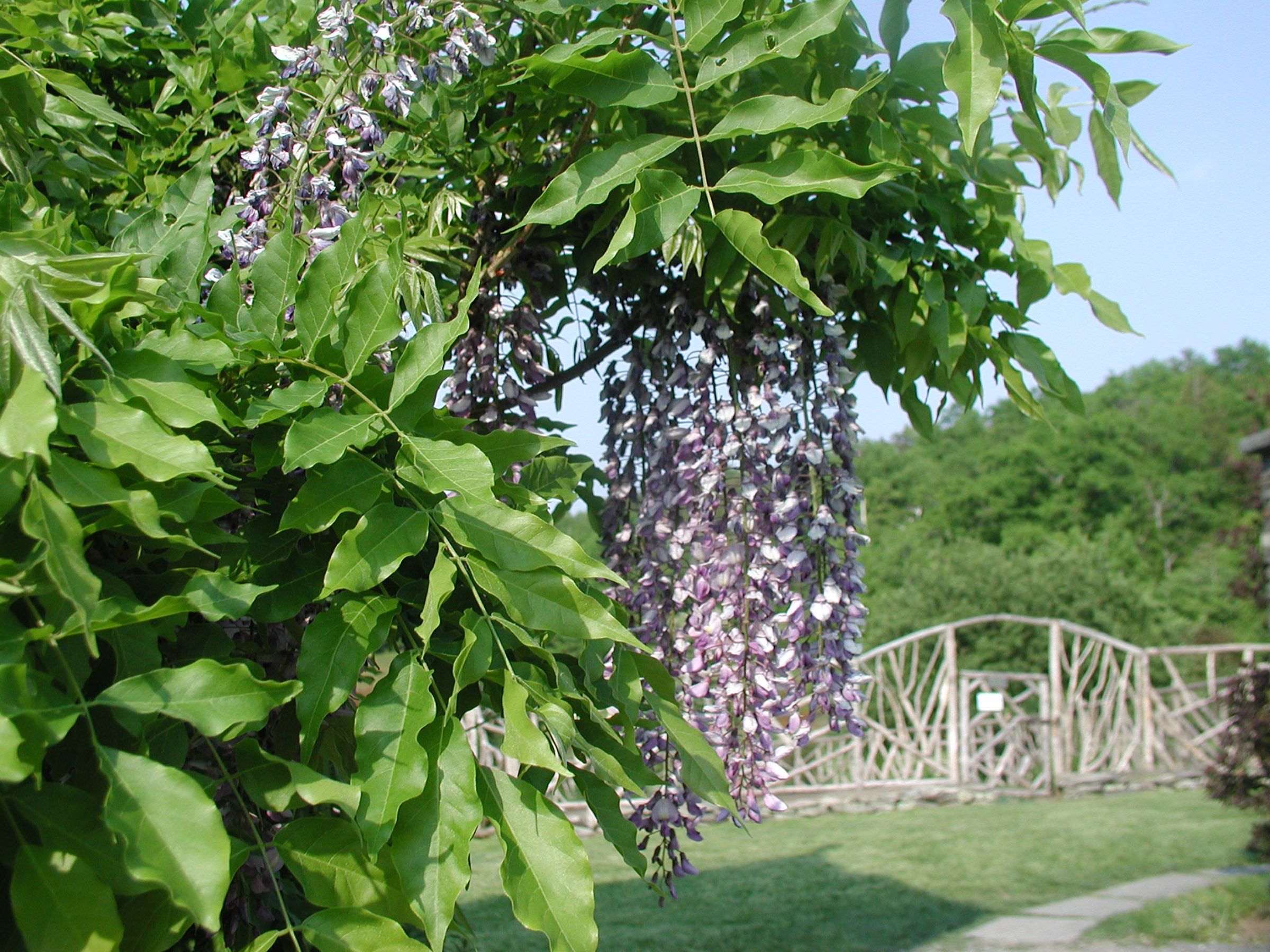
 But I’ll keep in mind a common complaint people have with wisteria: The frustration when a wisteria plant is all shoots and no flowers!