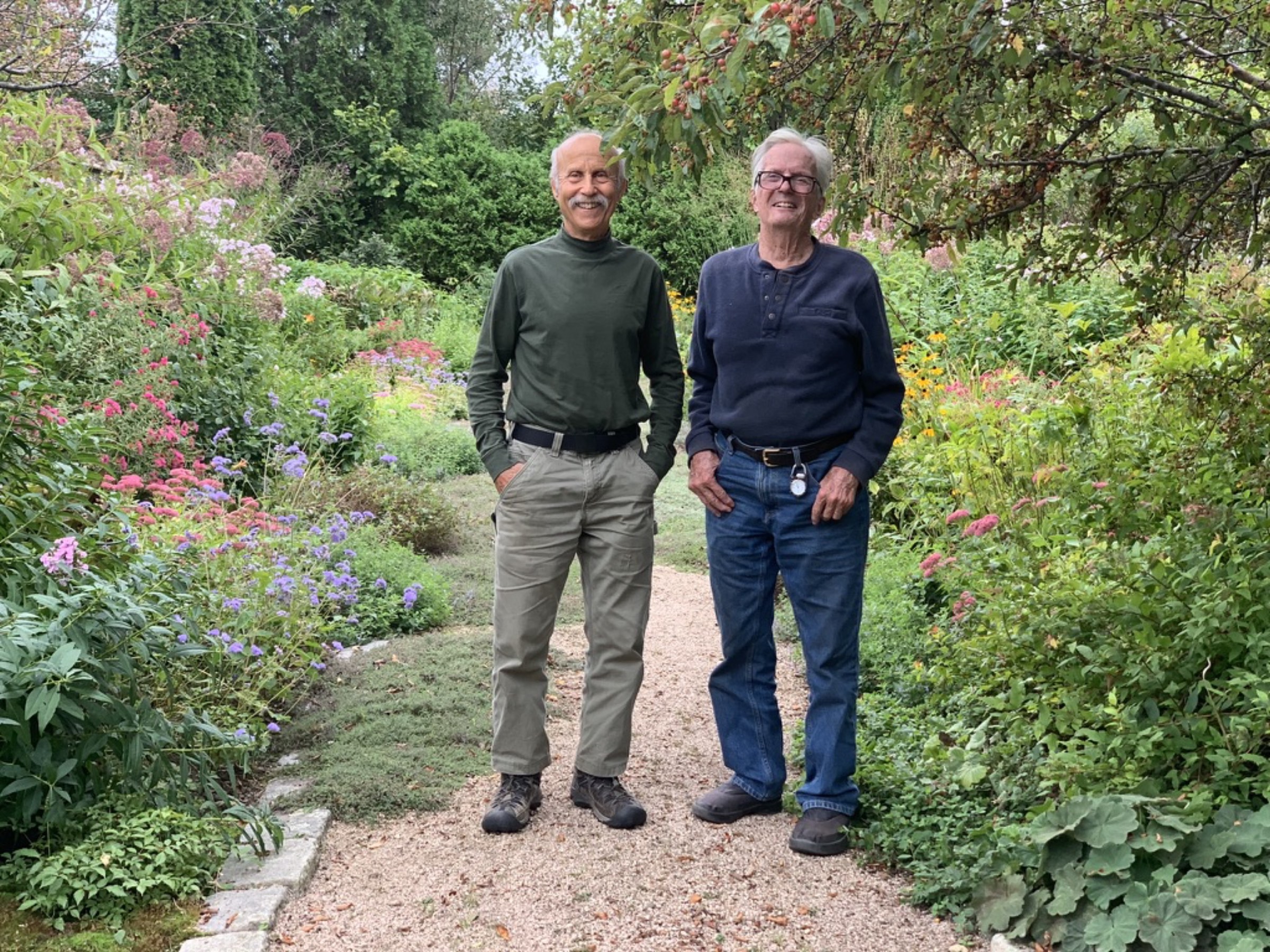
Eliot and me, more recently

TIME FLIES, OR DOES IT?

A Real Olde Tyme Country Fair

Eighteenth century essayist and poet Charles Lamb wrote, “Nothing puzzles me more than time and space; and yet nothing troubles me less.” I agree and disagree. You can always revisit a space, but time, it keeps moving; there’s no grasping on to it.

I was reminded of Lamb’s musing on a recent visit to Maine. There were two reasons for the visit, the first being to attend and give a couple of presentations at the Common Ground Fair, organized and on the grounds of the Maine Organic Farming and Gardening Association (mofga.org). I highly recommend a trip to the Fair, which is always held around the third week in September.Mofga demo garden
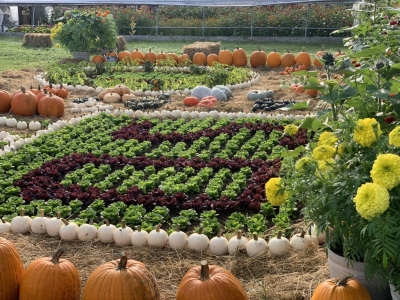
This is not your usual country fair. For one thing, you won’t find bright lights and noisy rides there;  the Fair closes down at the end of each day. What you will find at the Fair is a wide array of Maine grown and Maine produced food, wool and woolen goods, wooden bowls and spoons, and numerous other items. Also many workshops and demonstrations of scything, spinning wool, blacksmithing, and other rural skills, and live music and plenty of livestock.

A Mere Half Century

I haven’t forgotten about Charles Lamb. His musings speak into the second part of my visit, which was to Four Season Farm, home, along with his wife Barbara Damrosch, of farmer, author, and a leading proponent of organic farming, Eliot Coleman. Read more
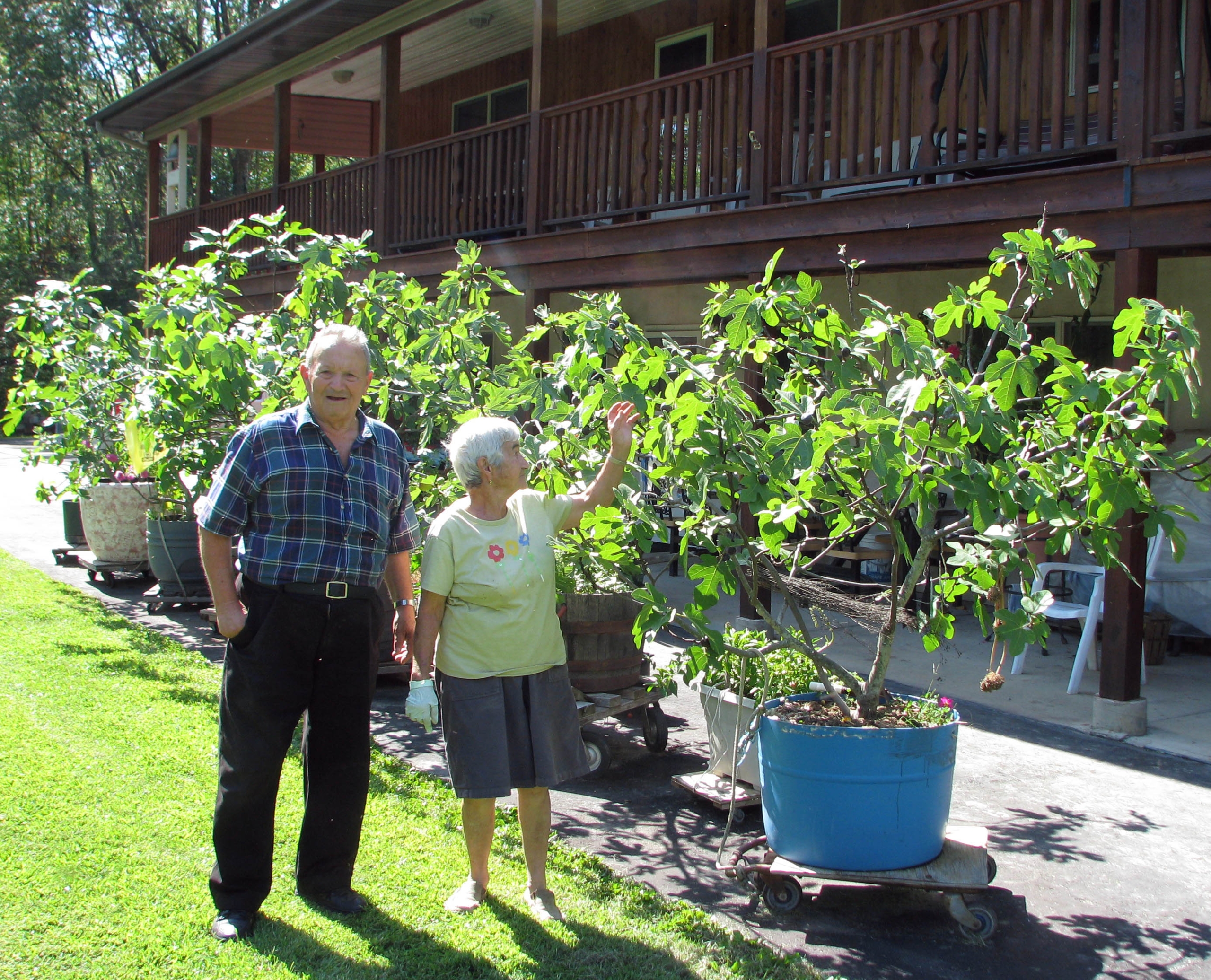
Large, potted figs

IT’S FIG SEASON!

Not a Hot, Dry Desert, but No Matter

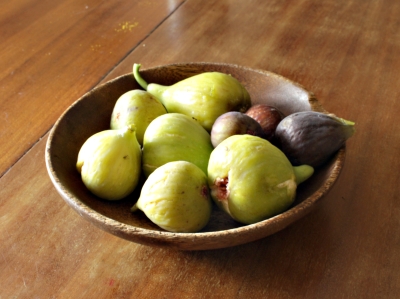
Today’s cool temperatures, along with this overcast sky that’s periodically sneezing raindrops, doesn’t conjure up weather we usually associate with fig harvest. Still, I just returned from the greenhouse with near overflowing handfuls of dead ripe figs.Bowl of figs

This harvest does highlight one of the many characteristics of figs that makes it possible to grow them in cold climates. The particular characteristic, in this case, is the plant’s rather unique way of bearing fruit. Read more

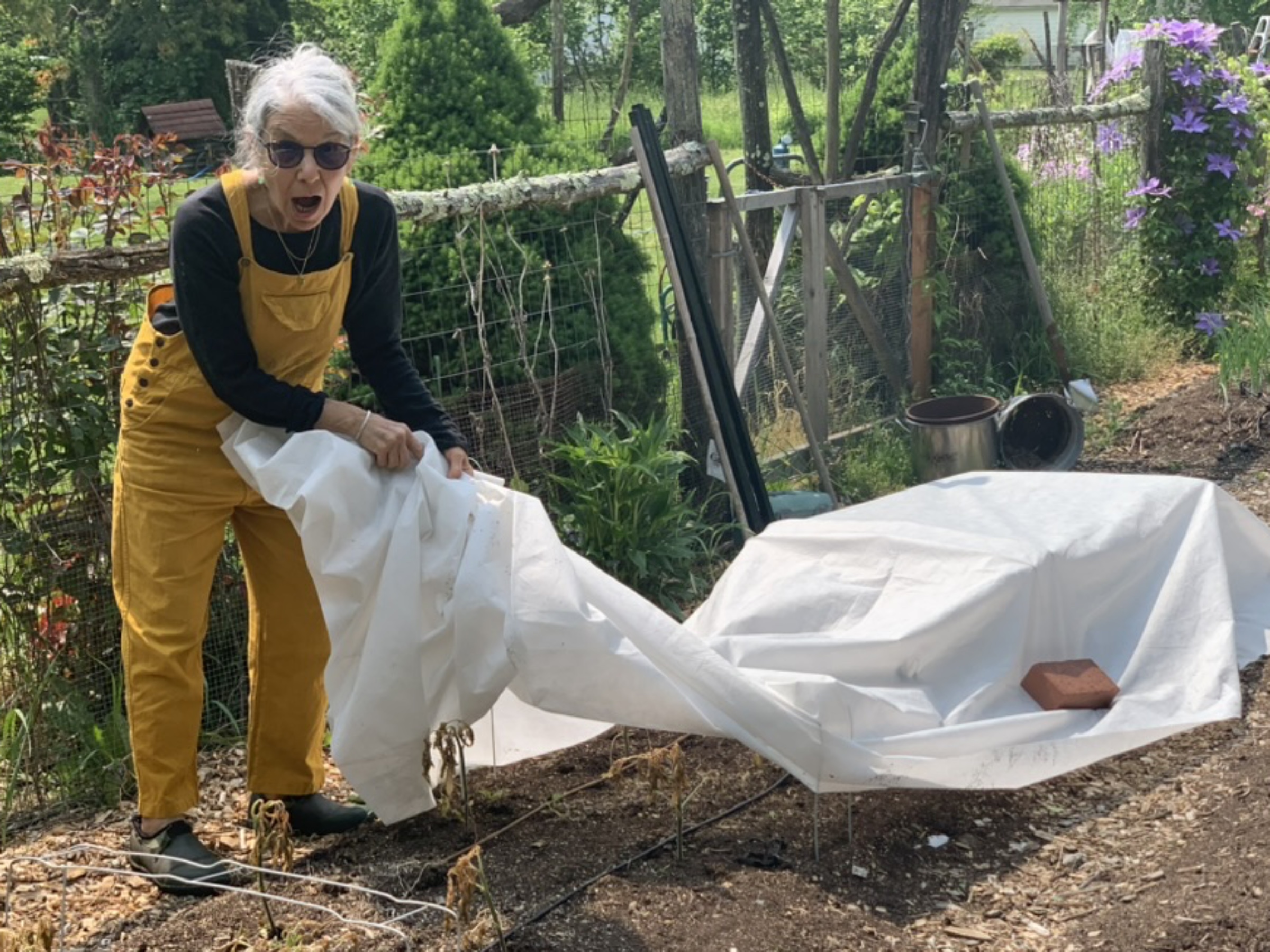
Uncovering frosted tomatoes

RE-EVALUATION

The Worst?!

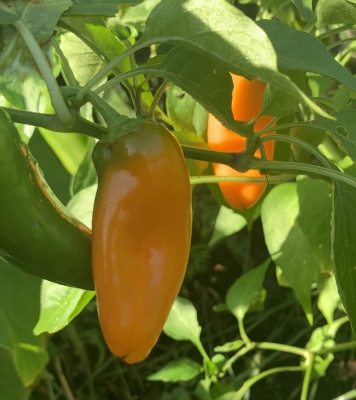
Every year, when I tell my longtime friend Vicki, “This year is the best garden year ever,” she smiles and rolls her eyes in a friendly way. But it’s true: Another year of gardening experience, better varieties to grow (Picnic Orange pepper of last year is now on my must-grow list); improved weed management (tarping added to my list); better pest control (the dreaded spotted wing drosophila on blueberries); etc.

Picnic orange pepper

Picnic orange pepper

This year, Vicki was surprised when I finished my annual sentence with “the worst year ever.”

She, of course, asked why. I spared her, but will not spare you, all the gruesome details, as far as I can determine. Read more

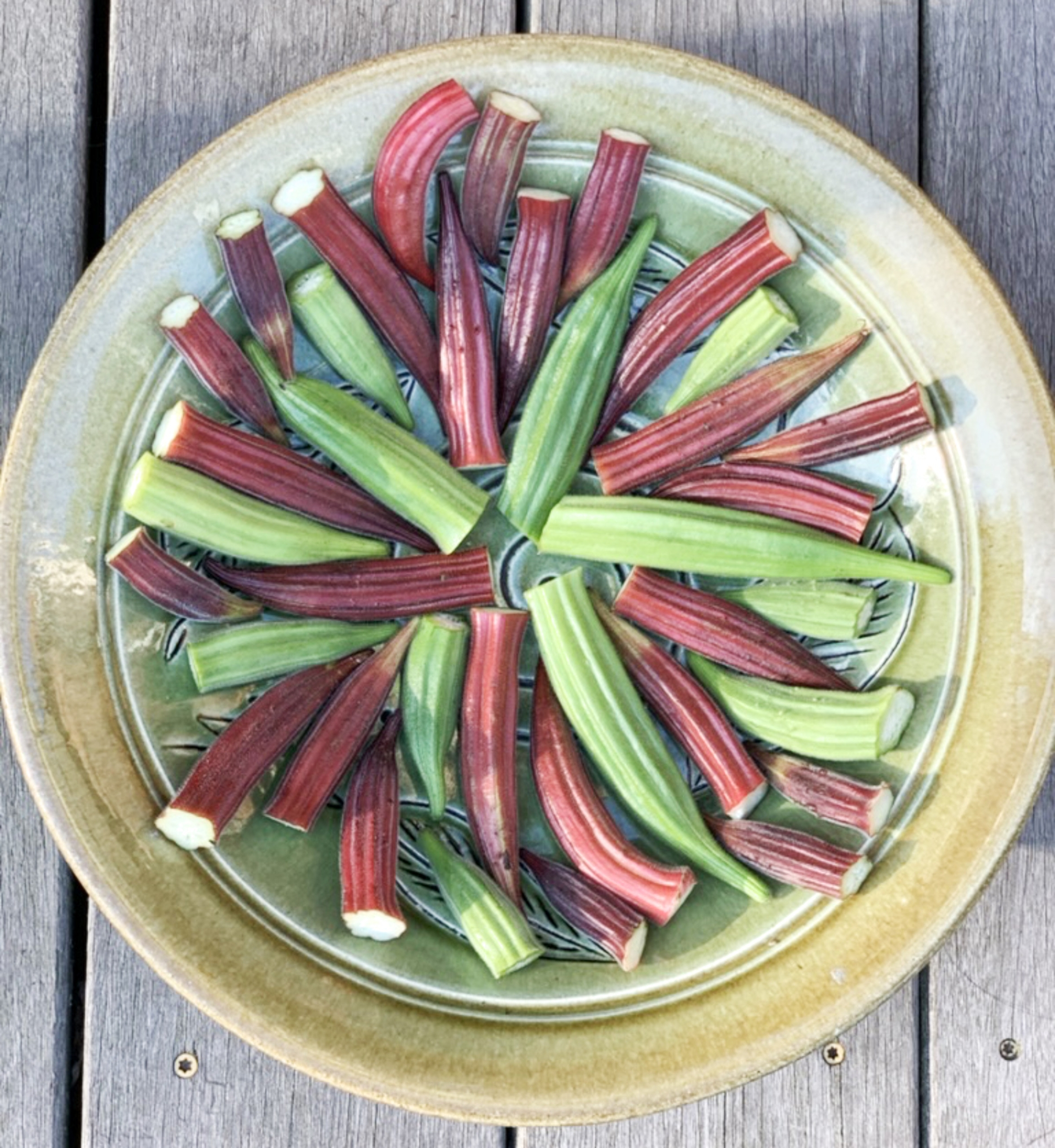
Okra, fruits displayed

A SOUTHERN TREAT

A Good Site

Okra, like artichokes and dark beer, evokes from people either praise or disgust, rarely something in between. A pot of stewed okra, tomatoes, and onions sends me into creole heaven, yet makes my brother gag. I say the mucilaginous quality of okra adds “body” to a dish; he says okra is “slimy.”

This season I’m reveling in a bumper crop of okra. Such a crop would hardly be worth noting if I gardened south of the Mason-Dixon line, where okra plants grow to be the size of small trees! Growing okra up here in the Hudson Valley is somewhat of a challenge because the plants begin to shiver when temperatures drop into the 50s — not uncommon even for a midsummer night in my garden.Okra, fruits displayed

In spite of a good bit of hot weather this summer (1.3°F above the 127 year average), I like to think I had a hand in this season’s success with okra. And the first okra-righteous thing I did was to choose for my planting a good site: the hottest and sunniest spot in my garden.

Lack of sunlight used to be a problem when my garden beds ran east and west; tall plants, such as popcorn, on ann adjacent bed to the south of the okra bed would shade the okra. Read more

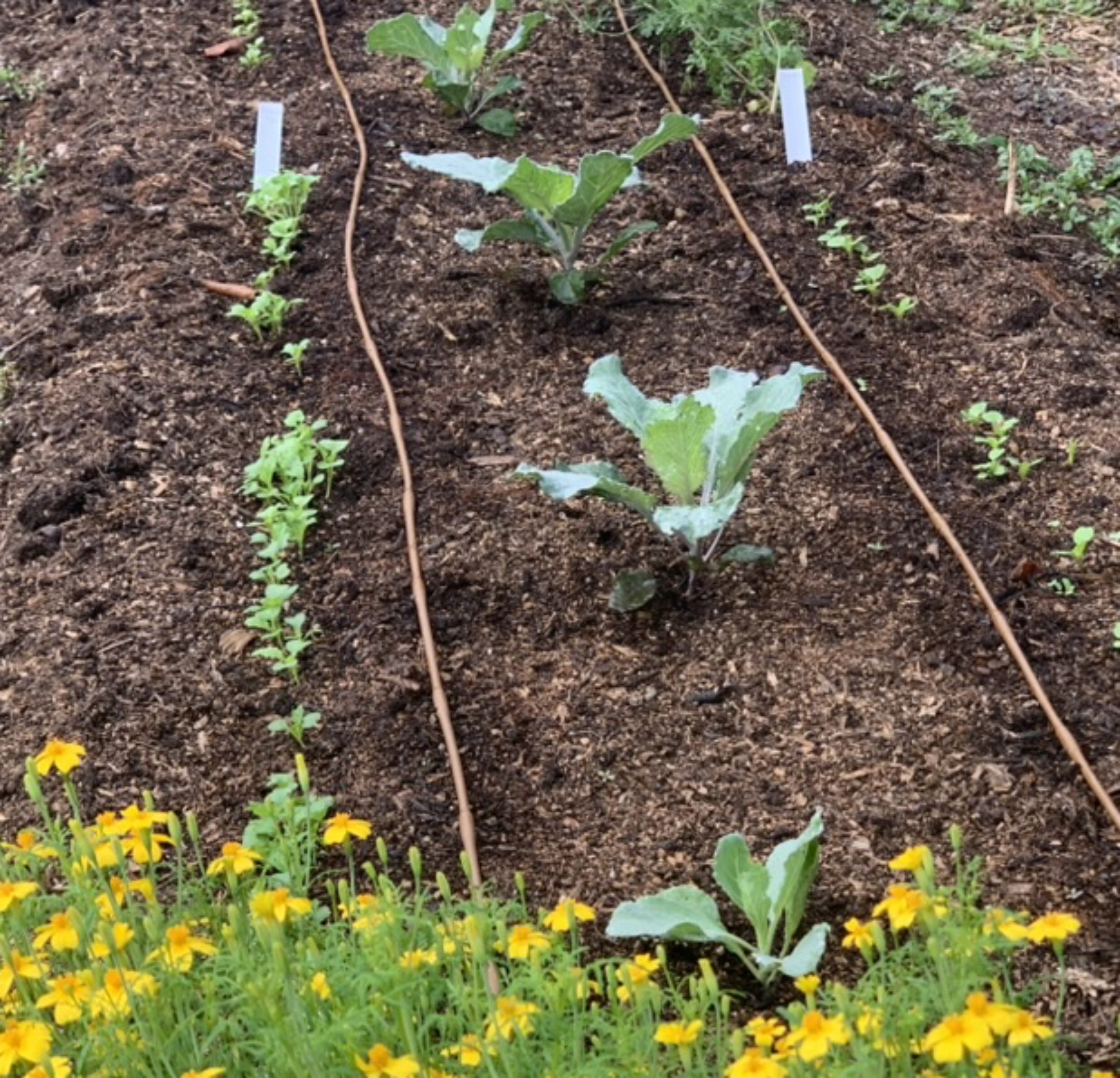
Cabbage, lettuce, & arugula early September

THE “W” WORD

Onward!

I don’t want to sound like a scolding parent, but have you been paying attention to your garden? Late summer weather may not inspire any more gardening activity than reaching — among the weeds, perhaps? — for a juicy tomato. But onward: There is work to be done!Cabbage, lettuce, & arugula early September

About those weeds. Wait! Don’t close your eyes and stop reading (like a reprimanded child) just because I mentioned weeds. Please hear me out.

Weeds, left now to their own devices, are going to become worse troublemakers later. Annual weeds like lamb’s-quarters and purslane are dropping their seeds, sowing them for next spring. You presumably killed all perennial weeds with this season’s enthusiastic beginnings, but the roots of young perennial weeds are trying to find a home. Autumn’s cool, moist weather is just what horse nettle, bindweed, yellow and creeping woodsorrel, and other perennial weeds need to become firmly entrenched in your garden. Read more

White alpine strawberries

RIPE FOR THE PICKING, BUT WHEN?

Subtle Messaging

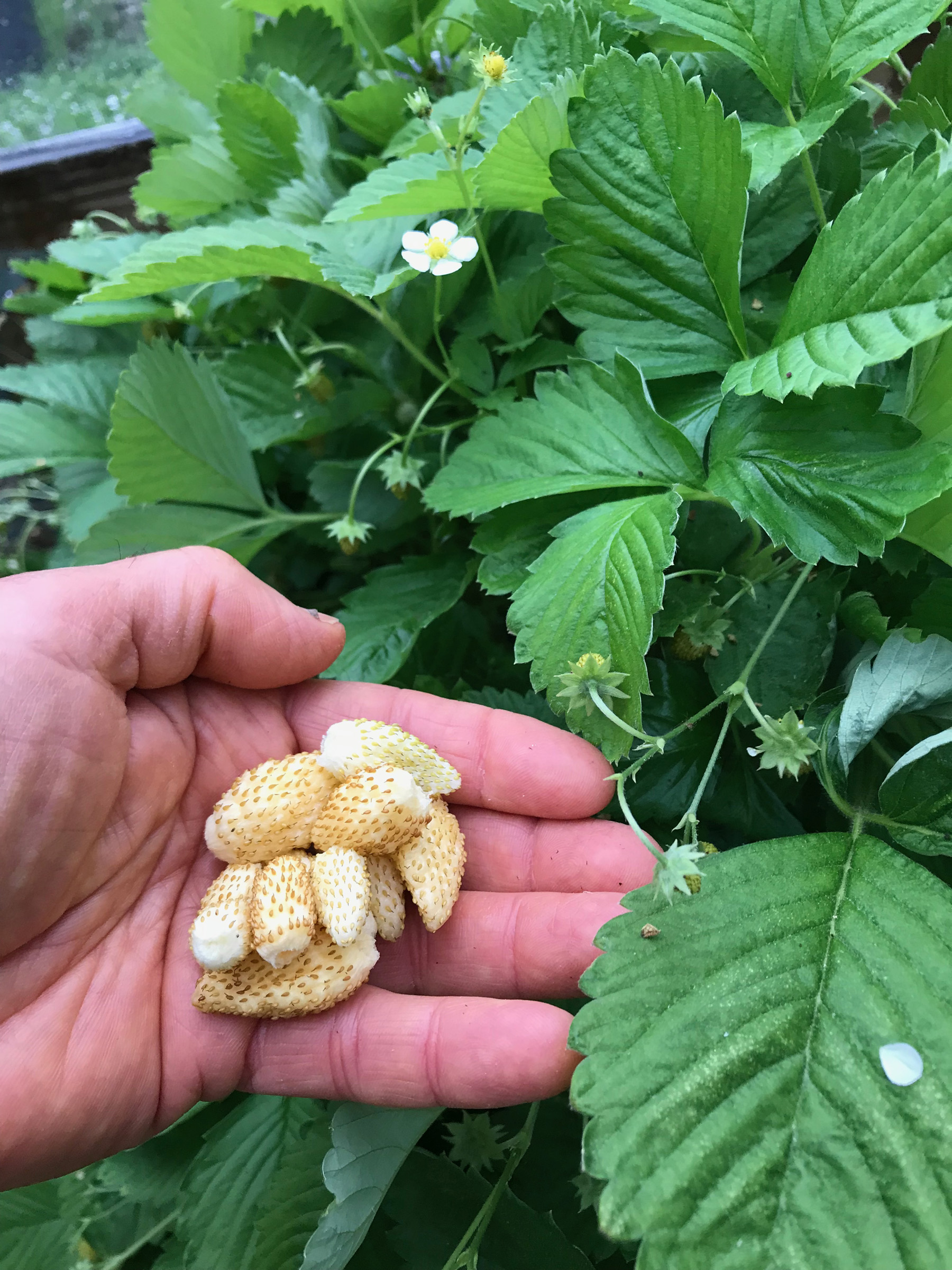
I grow a kind of strawberry — the white alpine strawberry (Fragaria vesca) — whose flavor, when it is fully ripe, is an ambrosial melding of strawberry and pineapple. But if it’s even slightly underripe, it tastes like cotton soaked in lemon juice. How do I know when to pick a white strawberry? One way is with my nose, by the delectable aroma of a fully ripe fruit. The seeds also darken when the fruit is ripe.White alpine strawberries

Other types of fruits have their own ways of signaling when they are ripe, and to taste at their best, they must also be harvested at just the right moment. Many people mistakenly believe that any fruit can be picked underripe, then ripened on a kitchen counter. Softening does occur, and perhaps some changes in color and sweetness, but, with few exceptions, fruit picked underripe is no match for fruit fully ripened on the plant. That softening and sweetening is more akin to incipient rot than ripening. Read more

Summer pruned black raspberries

TWO BLACK BRAMBLES

Good Stuff

What an unexpected treat this year. Black brambles galore. I choose my words carefully. 

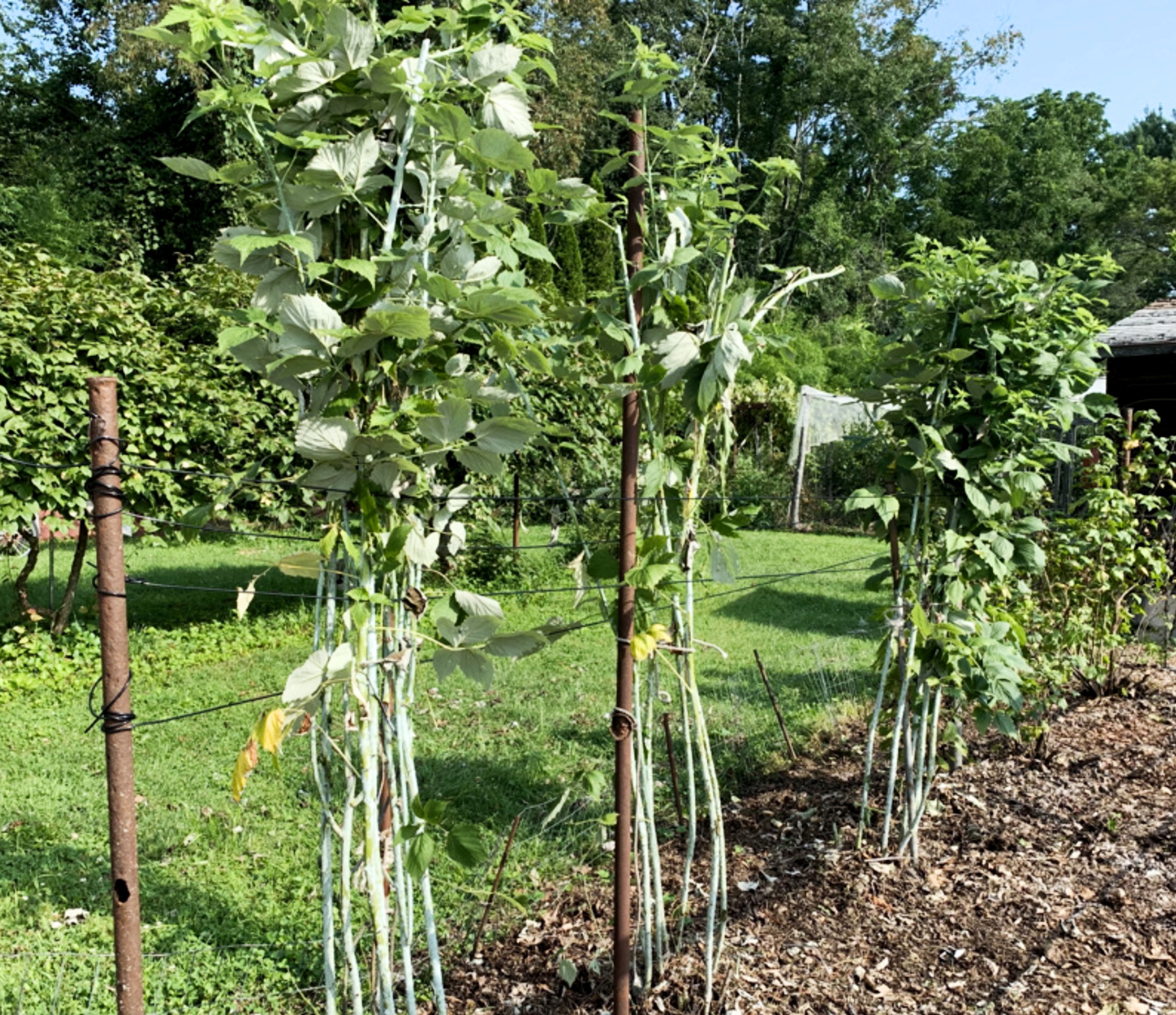
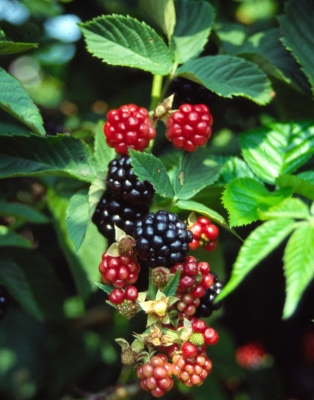
Over twenty years ago I grew blackberries, the variety Chester because it was the most cold-hardy variety of the thornless varieties, available at the time. Chester blackberryI finally gave up on Chester because winter cold would snuff out many of its canes down to ground level. If I remember correctly, surviving canes bore fruit that was too late in the season to ripen fully or in sufficient quantity. Read more
Lake, mountains, and sky

BACK TO THE FUTURE

What’s Not to Like About Gardening

If there’s one thing that irks me about gardening, it’s the necessity for too often having to think to the future. Always living in the moment just doesn’t cut it if you want to garden well.

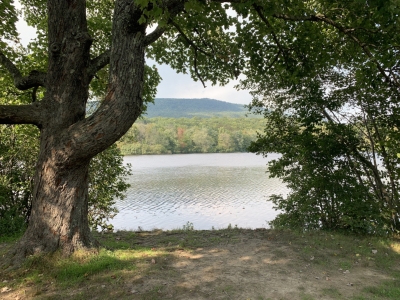
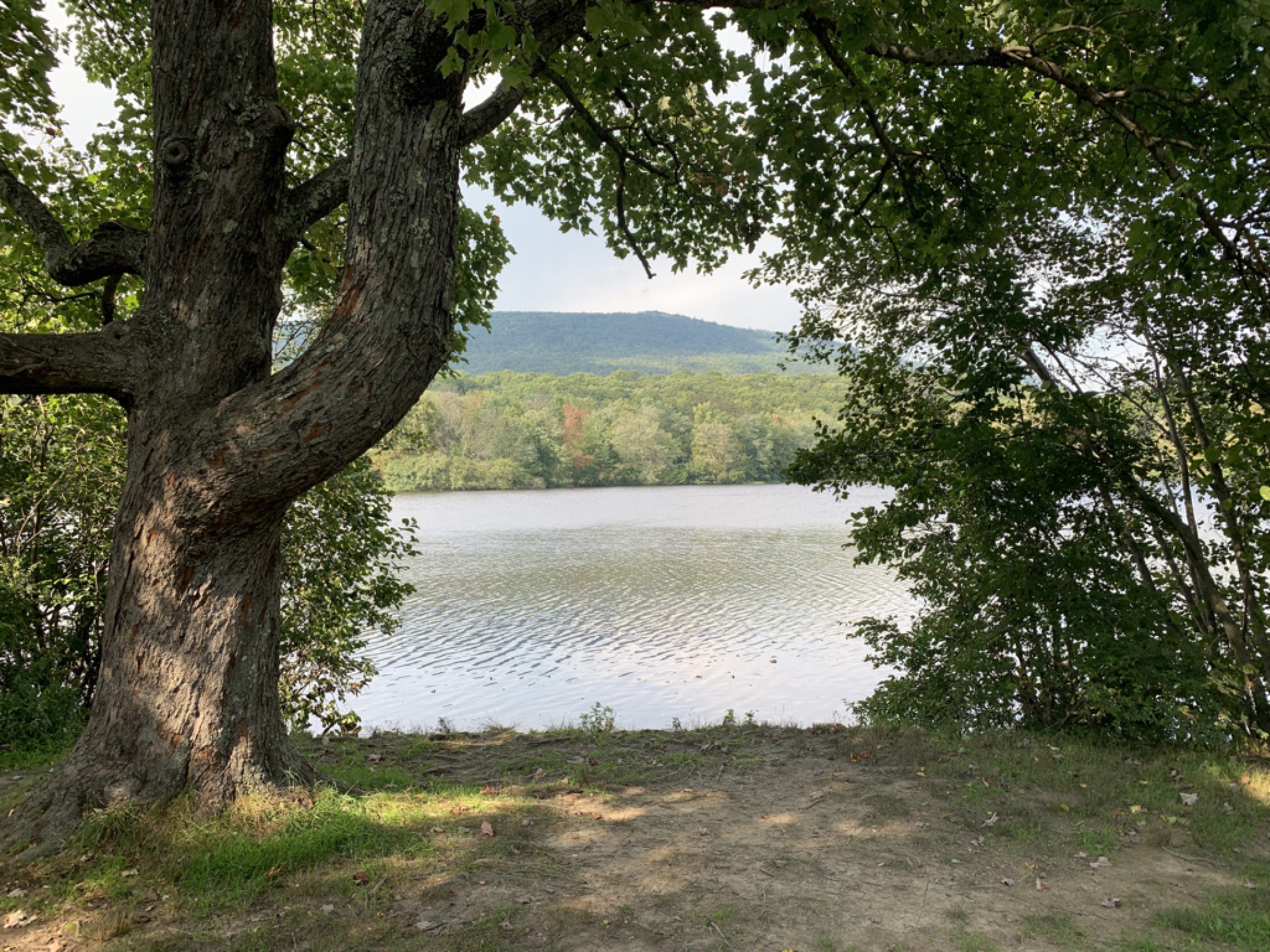
Yesterday, as I was swimming in a local lake enjoying, each time I turned my head for a breath of air, the sun beaming down on me and the view of cottony cumulus clouds hovering above green, forested mountains, my thoughts turned to autumn. I was reminding myself that now, in the summery middle of August, it was time to sow certain vegetable seeds.Lake, mountains, and sky

Soon after getting back to the farmden, I filled a couple of small flats with potting soil. In the first, I made four mini-furrows, and sprinkled in seeds of Little Jade, Purple Express, and Blues napa cabbage, and Shuko Pac Choi cabbage, one variety per mini-furrow. Into the other flat went a mini-furrow each of Cos, Buttercrunch, Pirat, and Outredgeous lettuce seed.

Except for the lettuce, none of those Chinese cabbages appeals to me right now. But much of gardening entails not going with your gut (literally and figuratively in this case). Read more

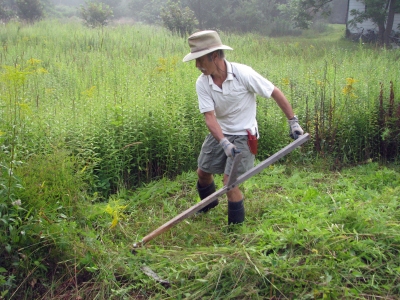
Me scything

SPRINGTOWN FARMDEN, INT’L HEALTH SPA

“Ancient Japanese” Exercise(?)

Welcome to Springtown Farmden, the international health spa. Allow me to show you around for a tour of our exercise offerings. The techniques and equipment used come from all reaches of the world (or at least can sound like they do).

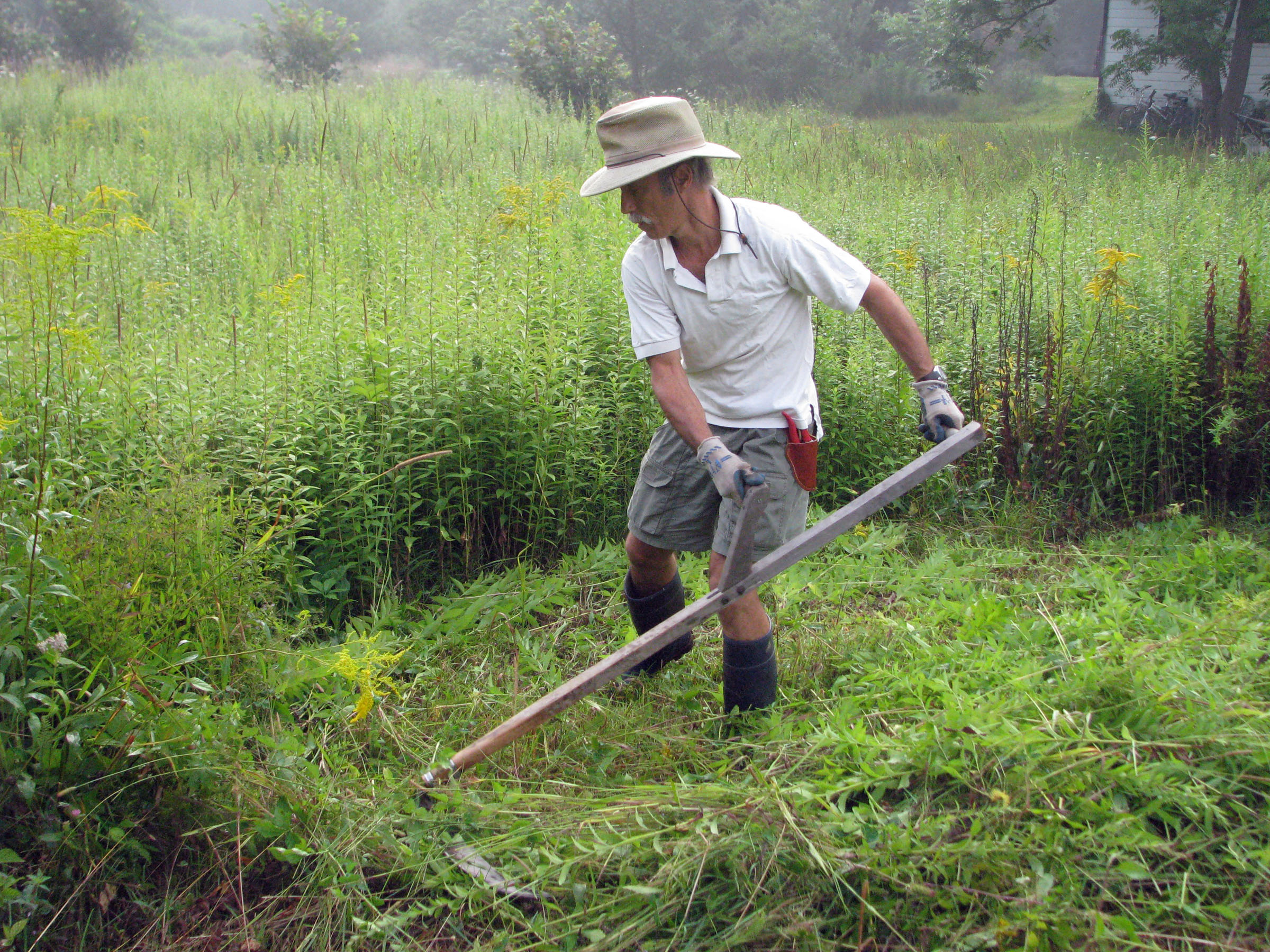
The first couple that can get your blood pumping “come from” across the Pacific, Japan. The first of these, sīth-ing (translation: scything), does require development of some technique and access our more specialized equipment, a sīth (translation: scythe).

The sīth has a single pole with two handles attached, one at the upper end and one about halfway down. The metal weight attached at the bottom of the sīth is a couple of feet long, curved, and sharpened on its inside edge. Muscle tone and strength is created by putting the left hand on the upper handle, the right hand on the lower handle, flexing the spine to the right and then unwinding yourself counterclockwise while trailing the metal weight just above ground level. (The best of these sīths come from Austria, but are available in the US here.)Me scything

Sīth-ing can be made more rigorous by passing the sharp metal through tall grass or meadow plants. The taller the plants, the denser the plants, and the older the plants, the more the resistance. Read more

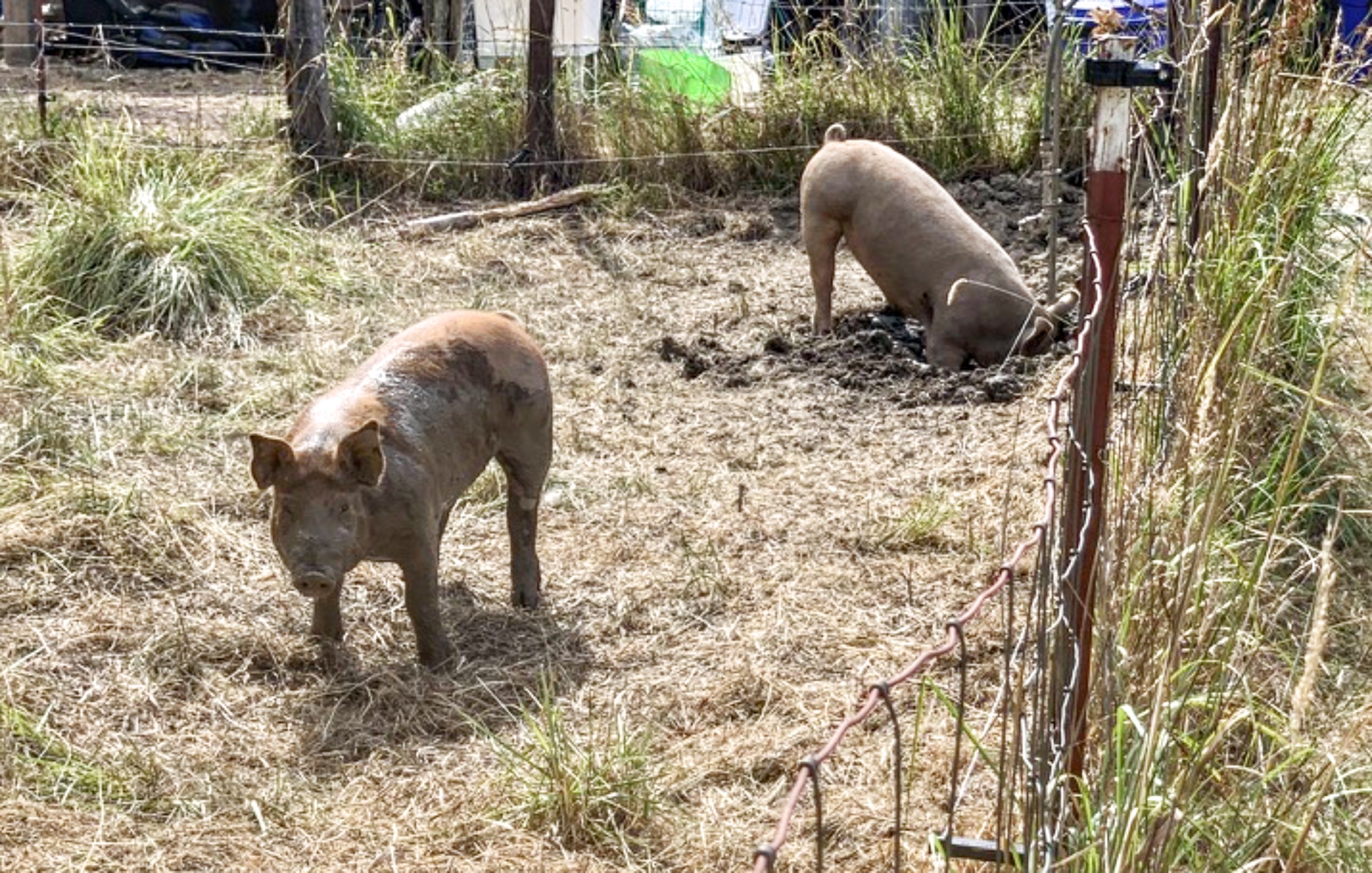
Two pigs

A WISE WISH?

Plants, All Plants, Love it Here

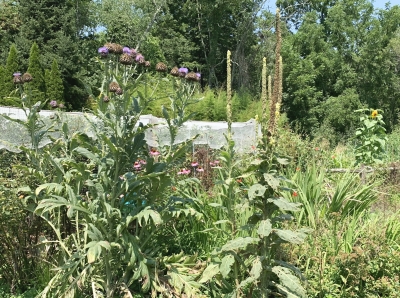
You’ve got to be careful what you wish for. Nonetheless, the naturally rich, well-drained but moisture retentive soil here has made me, especially this season of abundant rainfall, heat, and sunlight — okay I’ll say it, wish I was gardening on poor soil. Then I could earmark my cultivated plants for compost, fertilizer, and other goodies that make for good soil. Weeds, except those that made their way beneath the limited areas beneath these plants, would languish.Weedy flower gardenThe naturally excellent soil here is weed heaven. Seems if I turn my back for a day, these interlopers, which stand waiting from outposts in field and woods, jump forward in among my cultivated plants. Quackgrass moves stealthily in from garden edges, pushing its pointy runners underground. Thistles pop up from lateral root and seeds. Read more