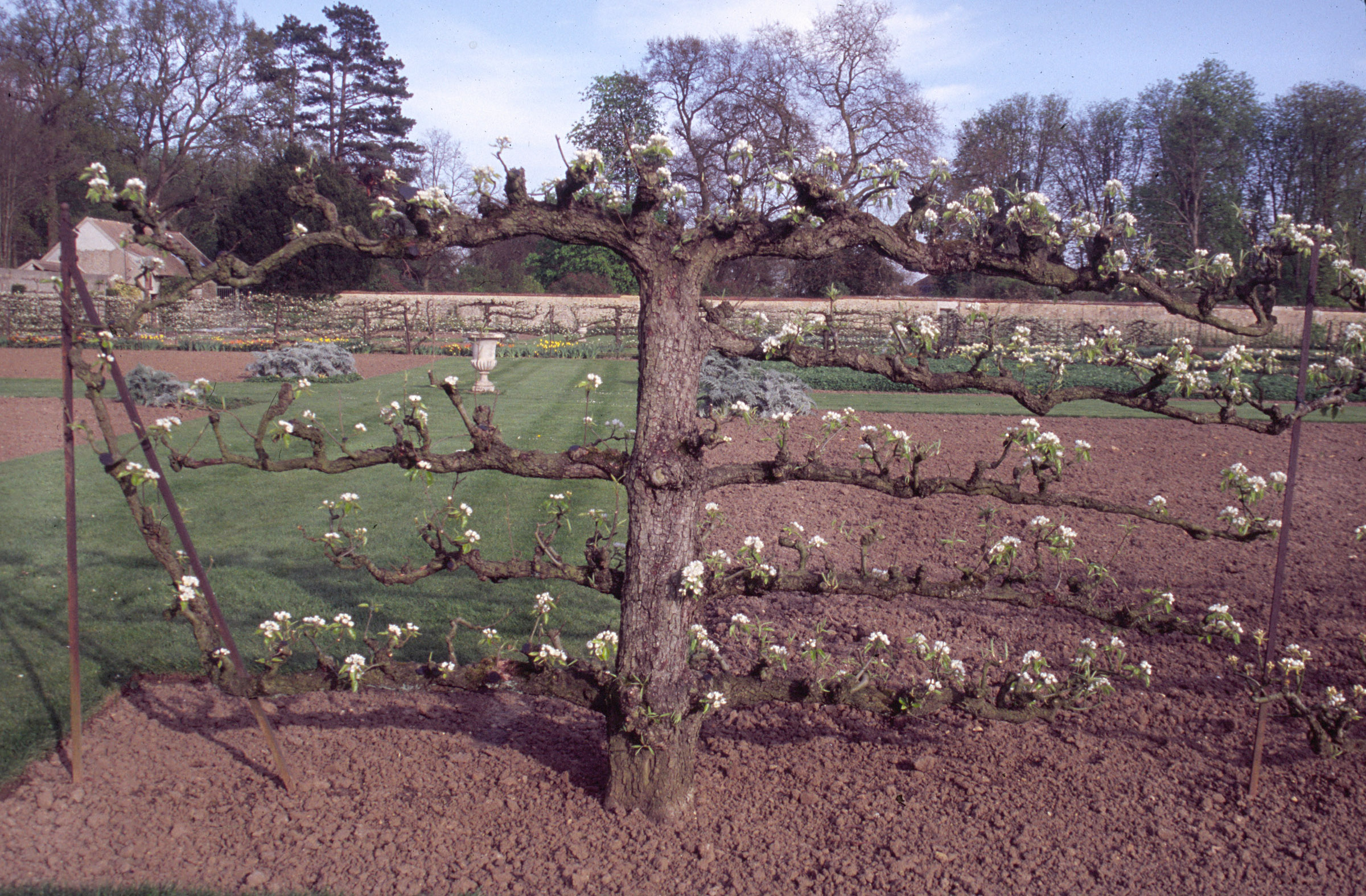
Espalier pear tree

APICAL DOMINANCE — WHAT FUN!

Suppression & Stimulation

“Apical dominance” sounds sadomasochistic, but no reason to shudder: it’s practiced by plants and, even when carried to an extreme, results in something as agreeable as a head of cabbage. True, we gardeners sometimes have a hand in apical dominance, but it’s still just good, clean fun.

Look upon it as hormones gone awry or as hormones doing what they’re supposed to do; either way, apical dominance is the result of a hormone, called auxin (AWK-sin), that is produced in the tips of growing shoots or at the high point of stems. Traveling down inside the stem, auxin sets off a chain of reactions that puts the brakes, to some degree, on growth of side shoots, giving the uppermost growing point (the apical point) of any stem the upper hand in growth.

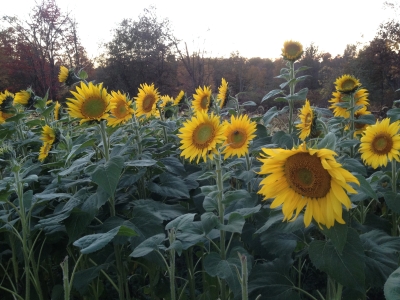
Side shoots mostly arise from buds along a stem, and whether or not a bud grows out into a shoot depends on how close the bud is to the source of auxin; the closer to the source, the greater the inhibition, how far and to what degree depend on the genetics of the plant. ‘Mammoth Russian’ is a variety of sunflower that grows just as a single stem capped by a large flowering disk; with no side branches at all, this variety demonstrates an extreme example of apical dominance. SunflowersAt the other extreme would be one of the shrubby species of willows that keeps sprouting side branches freely all along their growing shoots.
Even within a single species of plants, individuals vary in their tendency to express apical dominance. A fuchsia variety Read more
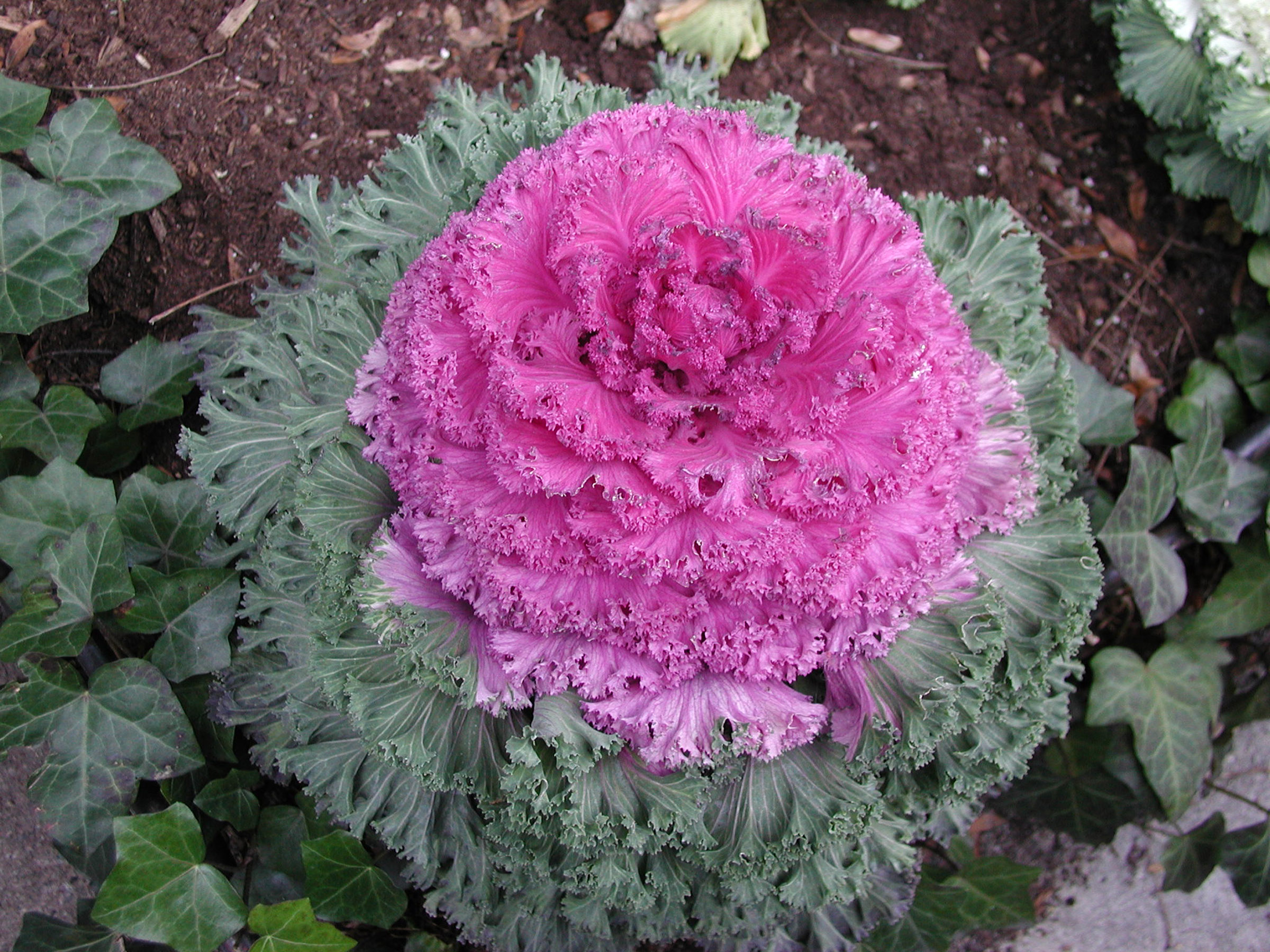
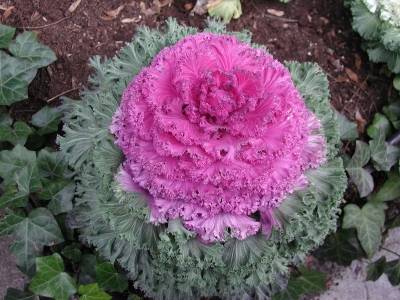
Flowering kale with pink center

A FLOWER (PERHAPS EDIBLE) NOW AT ITS BEST

A Flower? Not

The same cold weather that has killed most herbaceous plants, or at least battered them ragged, has also brought out the color in flowering kale. Of course, the color is not really that of a flower, but that of a whorl of leaves — glaucous green or purple on the outside of the rosette and becoming more intensely white, pink, or red towards the center. Some varieties are even more ornate, with fringed leaves.Flowering kale with pink center

About this time each year, I make a mental note to plant seeds of flowering kale next season. But I always eventually forget to do it. For the past few weeks, though, I’ve been admiring a planting of flowering kale that has inspired me now to write myself a note about next year’s planting.

My source of inspiration can hardly be called a planting. It’s not a bed full of flowering kale, splashing color all over the place. Nor is it a single file of plants, lining and grabbing attention from a path. Read more

GREAT GIFT IDEAS: BOOKS (NOT ALL JUST) FOR GARDENERS

Fishing, Gardening

“Give a man a fish, and you feed him for a day. Teach a man to fish, and you feed him for a lifetime.” How true, also in gardening. Not to mention the emotional and intellectual gratification, the “companionship with gently growing things . . . [and] exercise which soothes the spirit and develops the deltoid muscles” (C. D. Warner, 1870).

Let’s take teaching the man — or woman — to fish one step further, gardenwise. Lot’s of people wow others with the expertise they have allegedly accrued as evidenced from the mere fact that they’ve spent a number of years, perhaps decades, with their hands in the dirt. I roll my eyes. Flowering plants originated at least 130 million years ago, which is plenty of time to let the trial and error of evolution teach them to grow. Tuck a seed into the ground and it will probably grow.

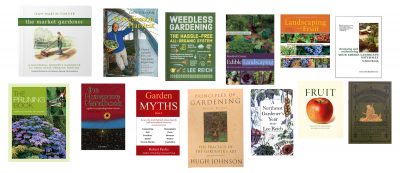
Better gardening comes from having some understanding of what’s going on beneath the ground and up in the plant. This comes from growing and observing a variety of plants growing in a variety of soils and climates — which is more than is possible in a lifetime.Gardening books

There’s a shortcut: books, a nice adjunct to getting your hands in the dirt. All of which is a roundabout way of my offering recommendations for books about gardening. The right book is also a great gift idea.

Read more

Cat on leafy mulch

WHAT’S UP WITH THE LEAVES?

No Other Explanation

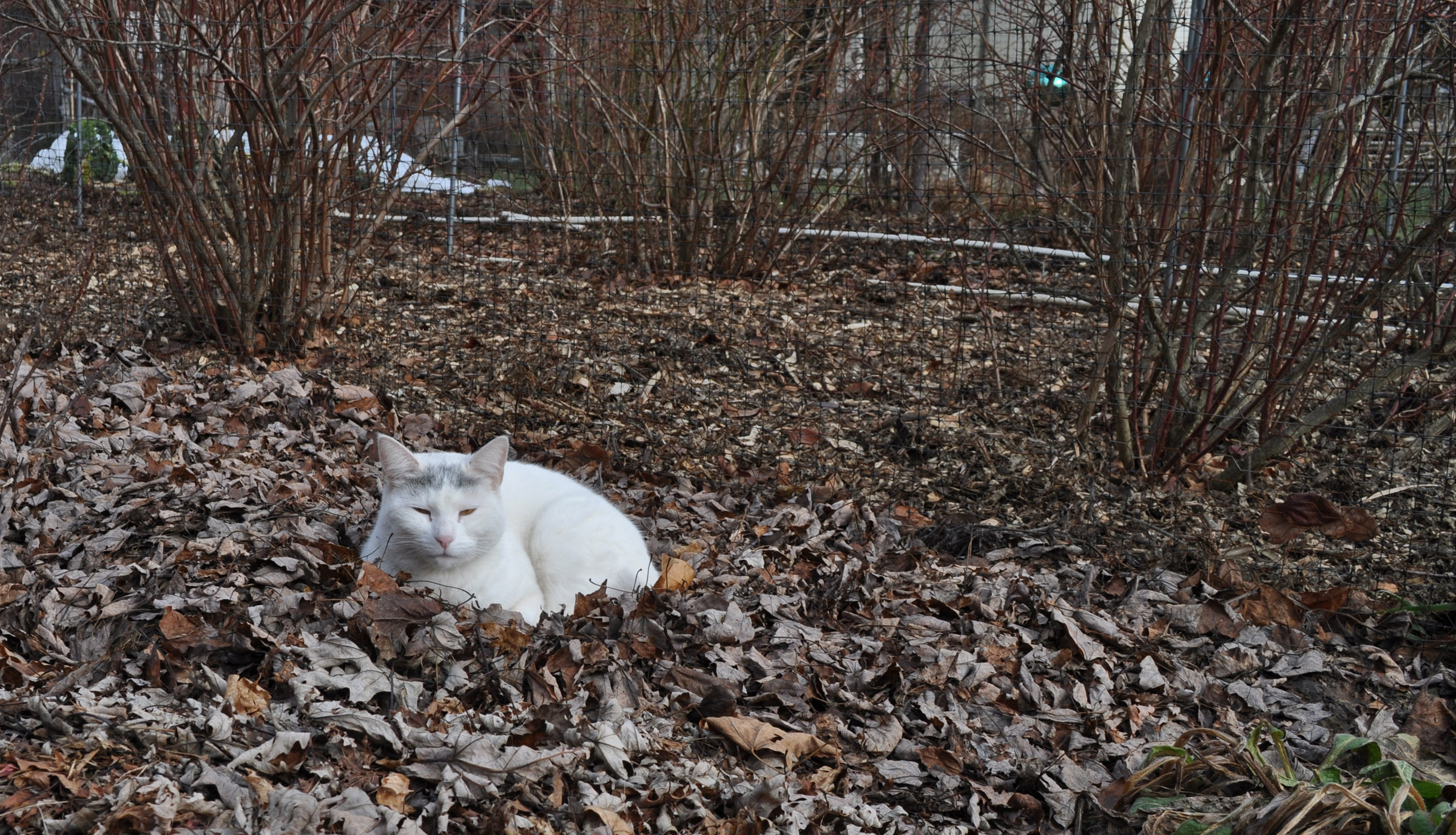
The leaf-goblin struck again; this time I was sure. Leaf season is pretty much over around here but I was in my car on my way to do some errands and spotted a row of plastic trash bags full of leaves lined up along the other side of the street. I says to m’self, “I’ll be back this way within the hour, so I’ll stop and throw the bags in the back of the truck on my way home.” When I drove by again, the leaf bags were gone! This was not an isolated incident, but never has the leaf-goblin’s handiwork been so quick.Cat on leafy mulch

I suppose I’m to blame for this curse. Over the years, I have written about, spoken about, yes, even bragged about all the leaves — that’s other people’s leaves, conveniently in bags — that I have gathered up each autumn for my garden. I have preached to anyone who would listen about the folly of stuffing leaves into plastic garbage bags to be thrown out. Read more

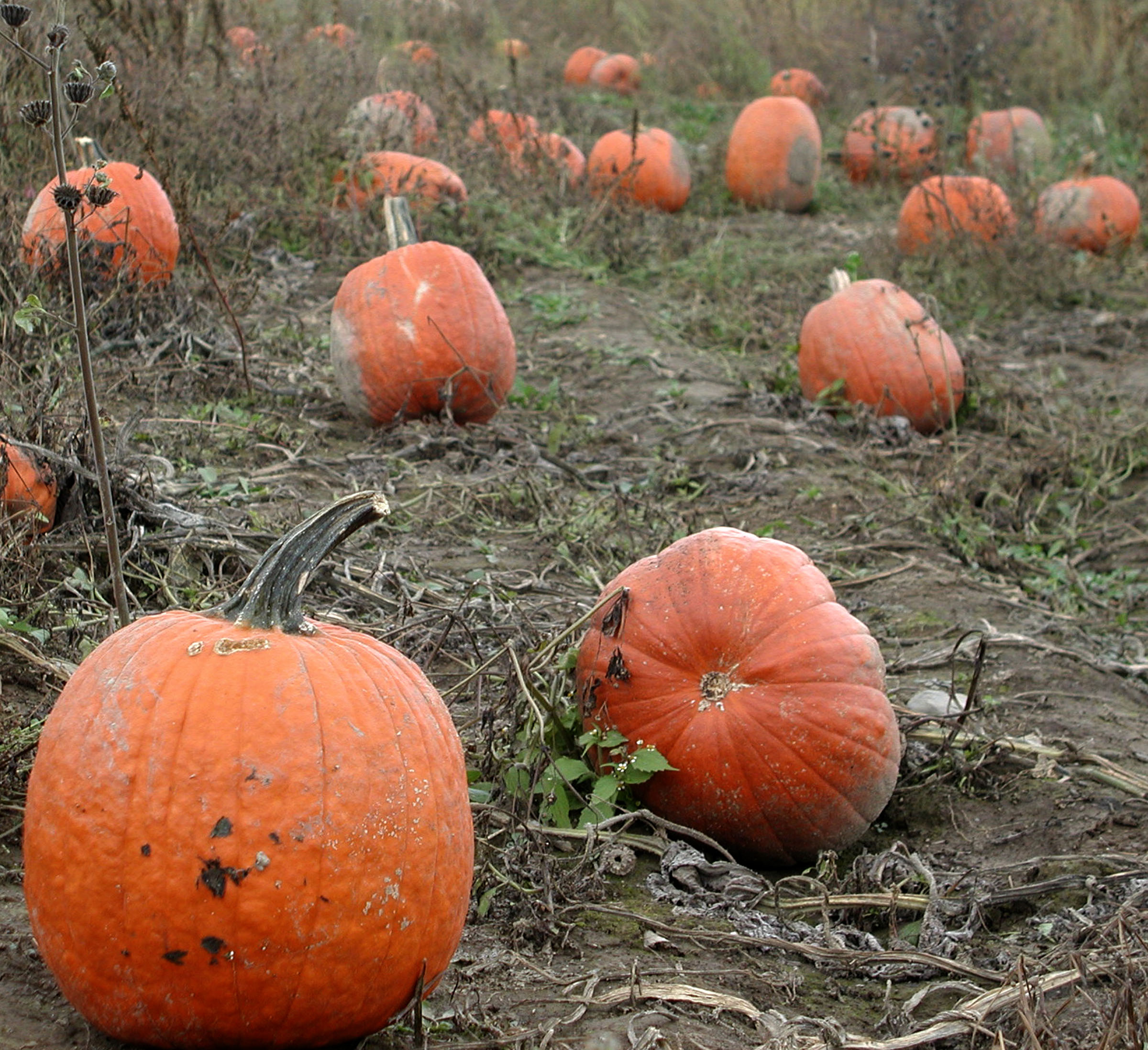
Field of pumpkins

NOT YET OUT OF THE PUMPKIN PATCH

Today’s plans for Tomorrow’s Pumpkins

My friend Jack is already planning for next Halloween, not getting together next year’s costume, but squirreling away seeds for growing next year’s pumpkins. Jack wants good yields and he wants large pumpkins. Seeds that he bought this past spring for giant pumpkins didn’t produce any fruits. But a plant growing out of his compost pile — a “volunteer” plant — did produce a few good-sized fruits.

Jack’s question to me was whether the seeds he has saved from this productive volunteer will produce good pumpkins. My answer was, “It depends.”Field of pumpkins

First of all, it depends on what seed gave rise to that volunteer plant. Of course it was from a pumpkin. But did that pumpkin grow from a hybrid seed?

Hybrid seed is produced by deliberately crossing one plant having certain desirable traits with another plant having another set of desirable traits. Seeds from that deliberate cross grow into plants that combine the qualities of both parents.

But these qualities are not perpetuated in the seeds from the fruit of a plant grown from hybrid seed. (Yes, I wrote that correctly.) Read more

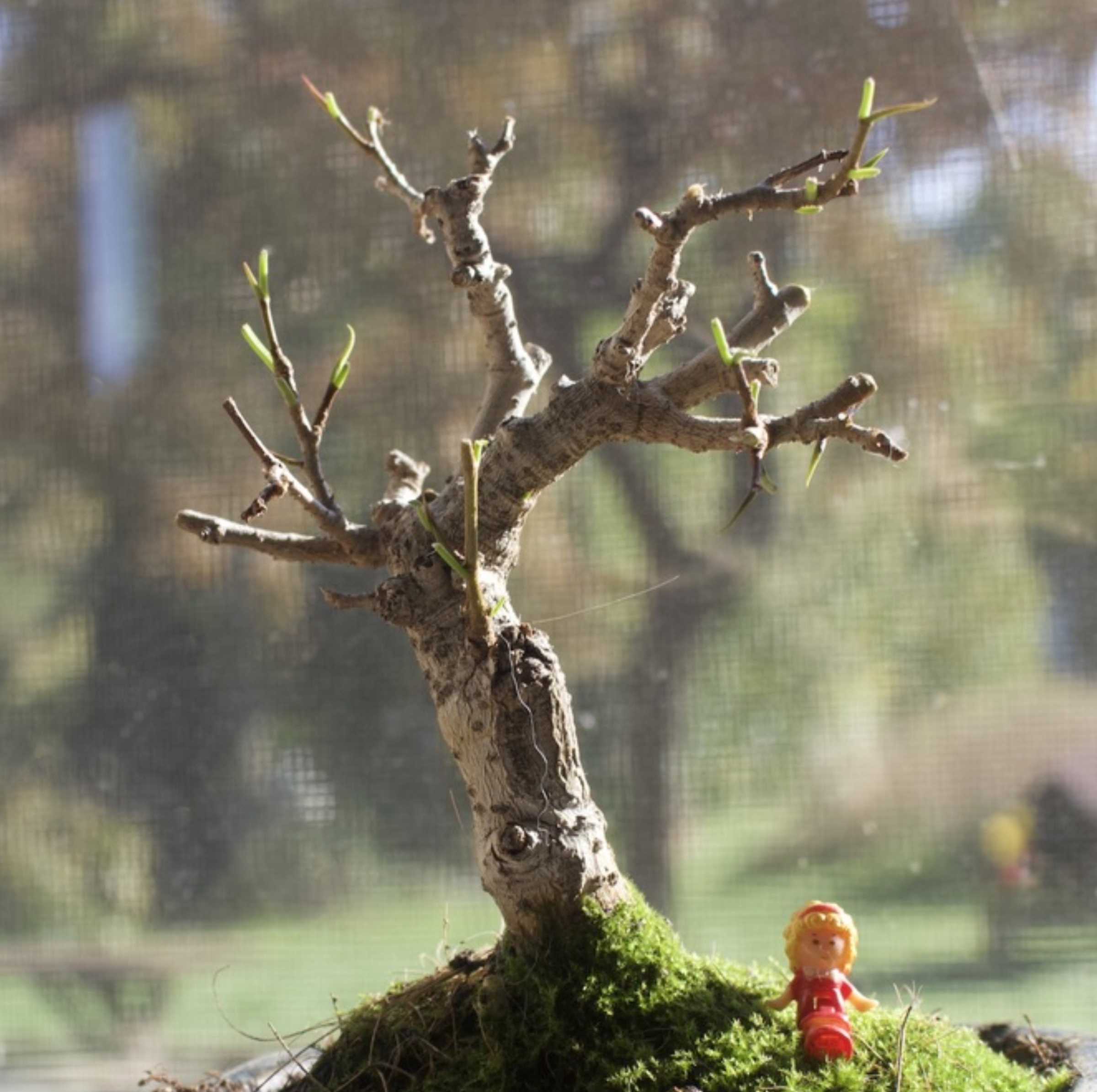
Weeping fig bonsai

A SEMINAL NON-EVENT IN THIS YEAR’S GARDEN

No Drama

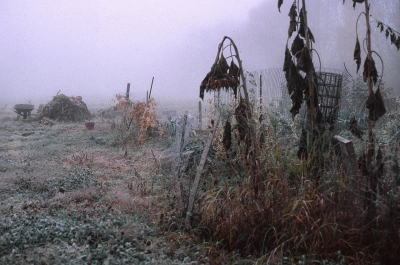
A seminal moment in the gardening year turned out to be thankfully anticlimactic. That moment was the arrival, on the morning of November 2nd, of the first fall frost. It turned out to be more than just a frost; it was a freeze, with temperature plummeting to a very chilly 22.7°F at 7:33 that morning. (I didn’t have to keep running outdoors to check my thermometer, but am able to monitor past temperatures recorded on my iPhone throughout days and nights with my handy Sensorpush.)Frosty morning

The cold weather had taken its time in arriving. Weather stations around the country have compiled the “average date for the first killing frost” for sites throughout the country. (Also the “average date for the last killing frost” for spring.) Where I farmden, that first frost date is October 22. That is an average; the chance of frost arriving sometime before early November is 80%, and the chance of that frost arriving by mid-October is 20%. Last week’s freeze was late.

Years ago, as a novice gardener, I planned my gardening around these published dates. I considered these averages fixed in stone. With global warming, those dates were officially amended. Messed me up for awhile until I realized that the complexity of the natural world makes it appear capricious. Read more

Pollarded catalpa

PRUNER SHEARS POISED AND READY

Why Now?

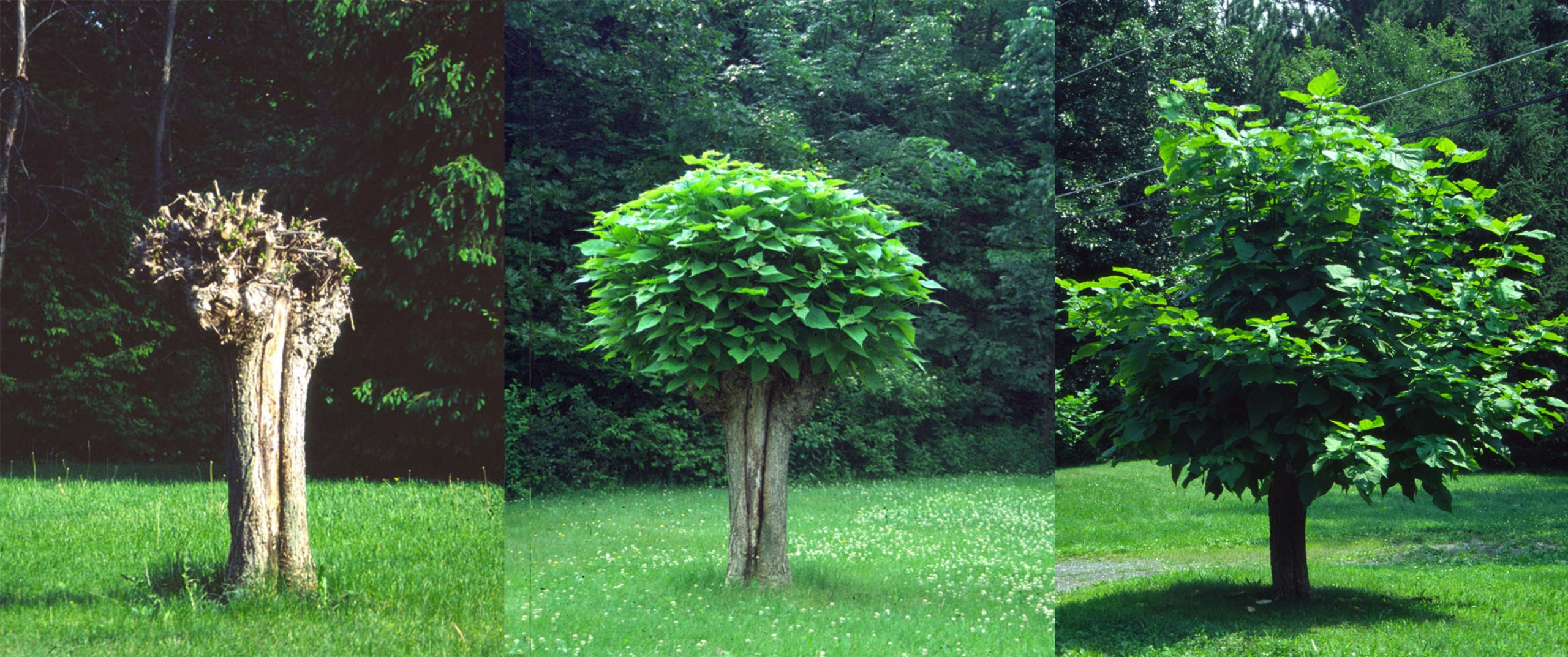
A strong urge this time of year, especially on clear, balmy days, has many gardeners  wandering about their gardens with pruning shears in hand, clipping back old leaves and stems in an effort to tidy up the garden for the winter. In some cases, this clipping is good for the plants; in other cases it is not.

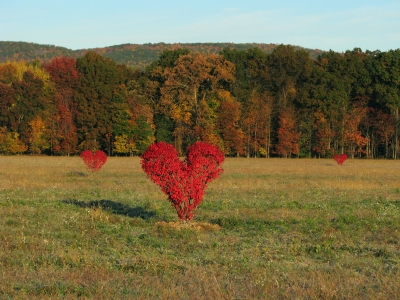
Topiary by Keith Buesig

Topiary by Keith Buesig

One rationale for clipping stems and leaves off plants is to reduce certain pest problems next season. I’ll soon be cutting down all the old asparagus stems, usually waiting until they yellow and are anyway no longer “charging” the roots with energy. Cutting them all to ground level and composting the tops reduces the number of beetles present next spring. Read more

Scooping biochar out of a bag

BIOCHAR

Enthusiasm

A couple of years ago a gardening friend shared with me her excitement about a biochar workshop she had attended. “I can’t wait to get back into my garden and start making and using biochar,” she said.

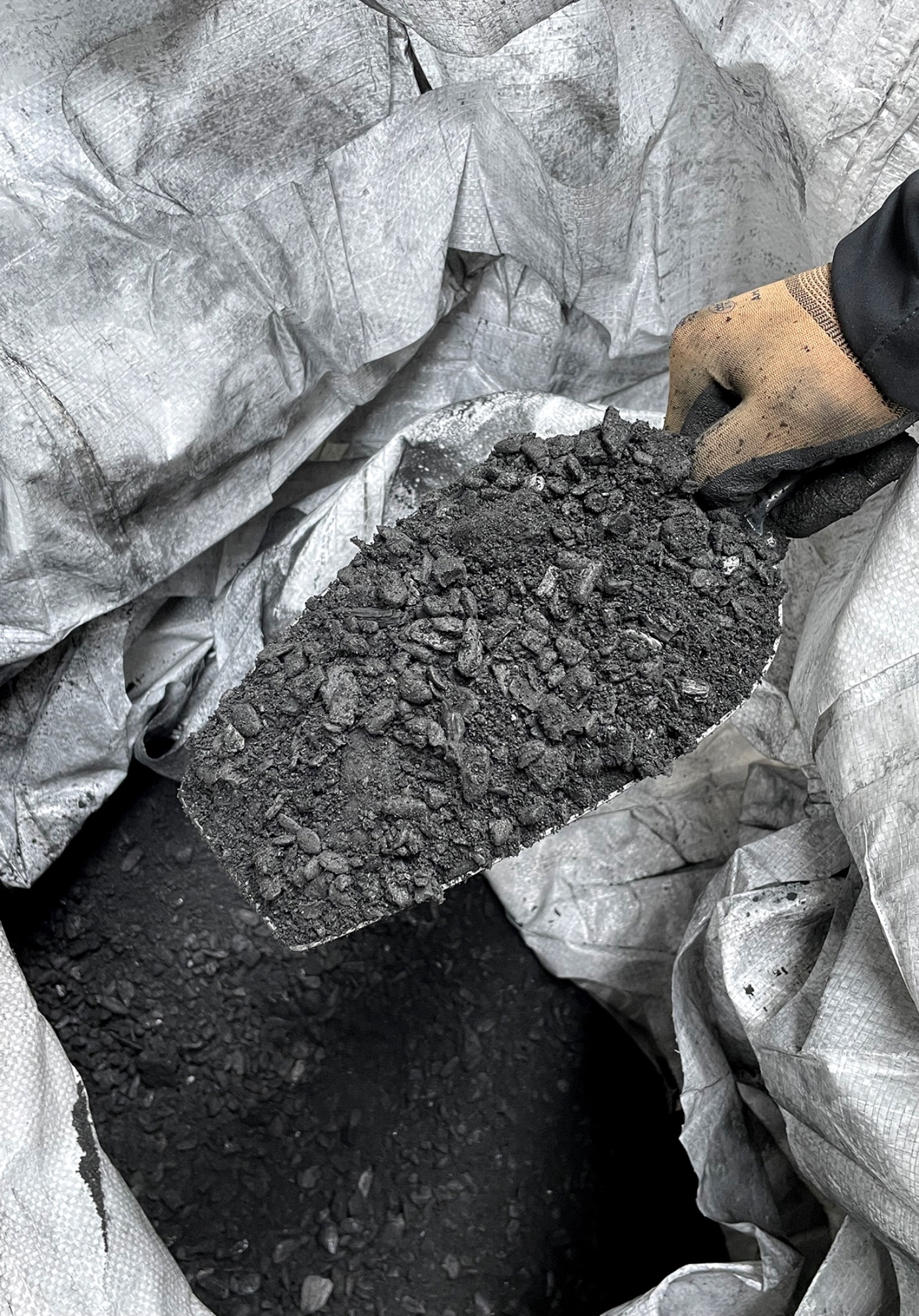
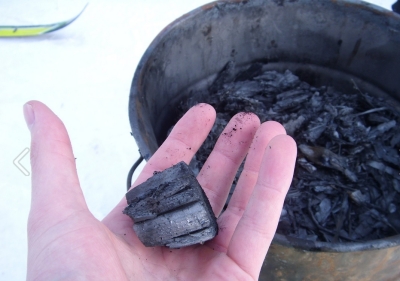
Biochar, one of gardening’s relatively new wunderkinds, is what remains after you heat wood — or other plant material such as rice husks, yard trimmings, or manure — with insufficient air. It’s akin to charcoal, although its physical characteristics vary with the kind of plant material, the amount of air during the burning, and the duration and intensity of the heat. BiocharRather than releasing the carbon in wood or other material into the atmosphere as carbon dioxide by burning it or allowing it to decompose, the carbon in biochar remains locked up. Less carbon dioxide in the atmosphere means less global warming.
And yes, biochar can be made at home — outdoors, because the process gives off Read more

North garden

A VERY GOOD GARDEN NOW

Finally

A recent blog post of mine was titled and about some of the reasons it was “My Worst Garden Ever.” From comments and emails, I learned that such was the case generally in this part of the world. That was then.

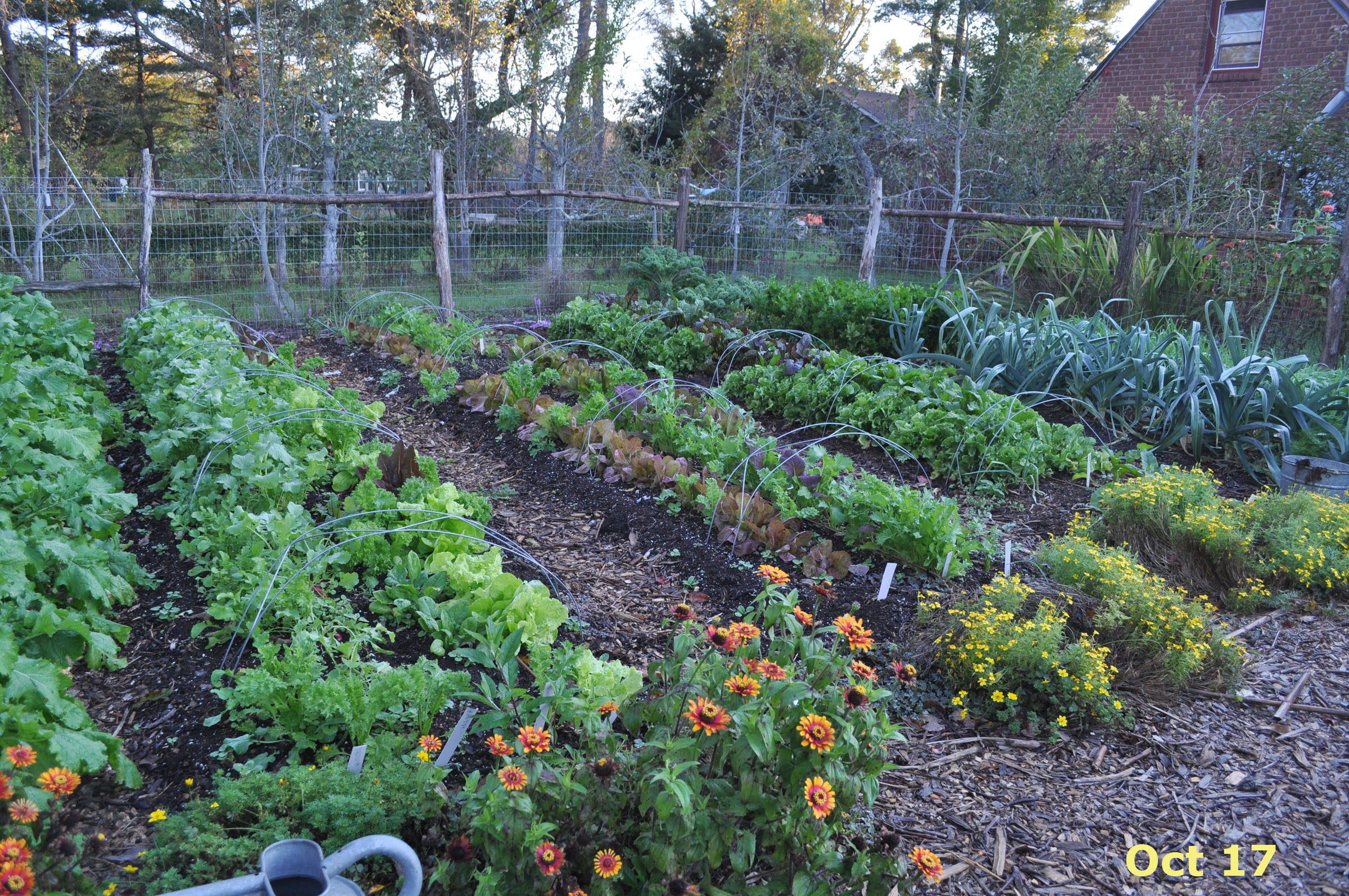
North gardenRecently, as I opened and walked through the gate into my vegetable garden, I thought, hmmm, things are looking pretty spiffy in the garden. Even a seasoned gardener friend remarked, “There’s so much green!” And that green is not from weeds, but from neat rows of napa cabbages, large heads of lettuce in various shapes and shades of green, and dark green rows of arugula and mustard. Leafy tops of Watermelon radishes (the name from the look of the sliced roots, not any affinity in flavor) and sweet Hakurei turnips perched above swelling roots. Read more
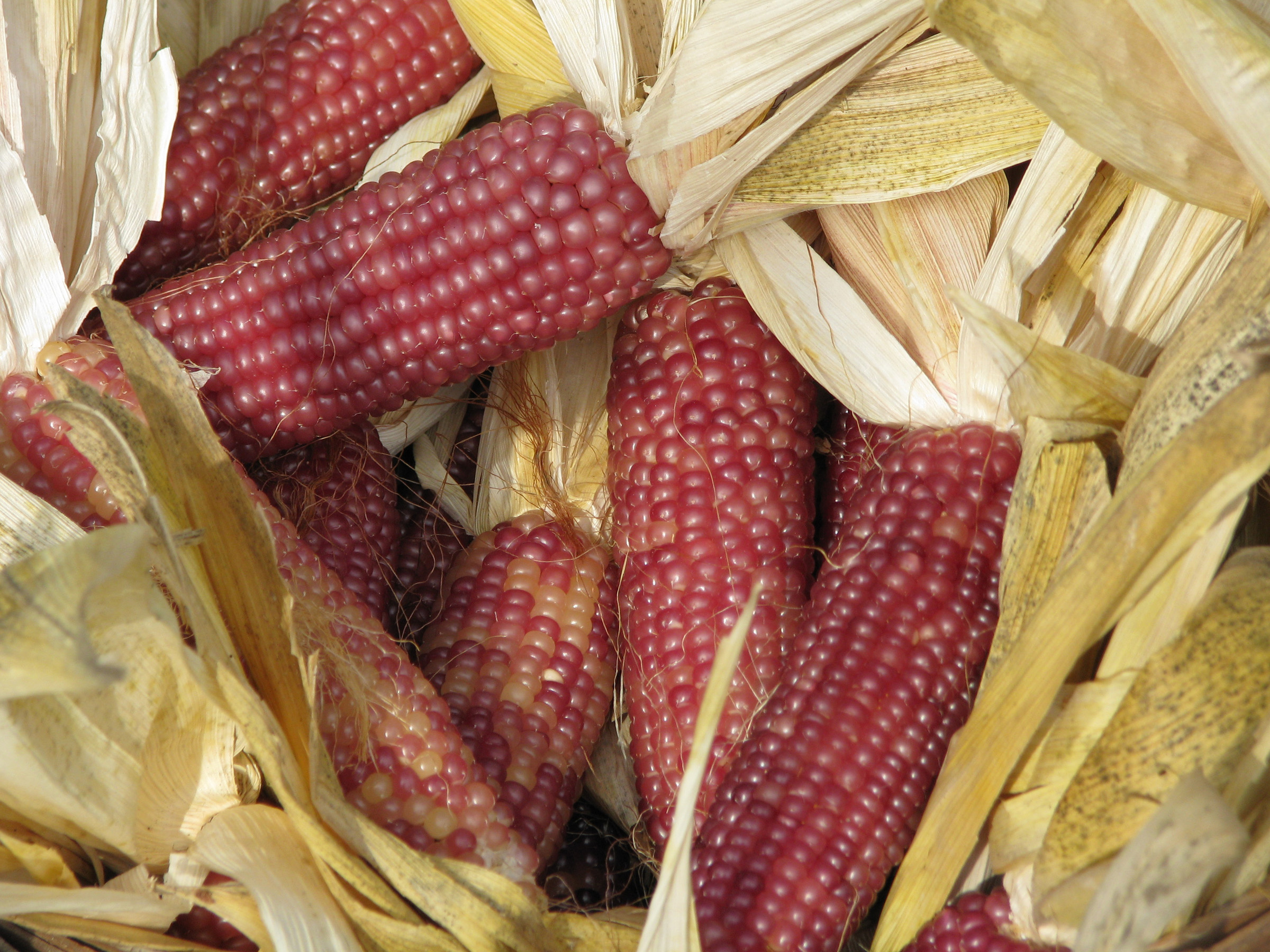
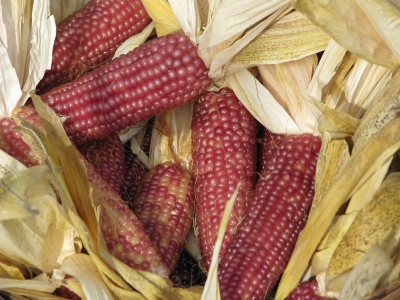
Popcorn, Pink pearl

HOME-GROWN GRAINS FOR ANYONE & EVERYONE

Show Some Respect

The problem with popcorn is that it, like Rodney Dangerfield, “don’t get no respect.” Sure, it’s a fun food, nice to toss into your mouth while you watch a movie. But that’s been the case only since the 1930s.

Popcorn is a grain, a whole grain, as good a source of nourishment as wheat, rice, rye, or any other grain. It was among the foods brought by native Americans to the first Thanksgiving dinner.

For anyone who likes the idea of raising their own grain, popcorn is a good choice. It’s easy to grow, it’s easy to process, and it’s easy to save seed from one year to the next. I grow two varieties — Pink Pearl and Dutch Butter-flavored — and have saved seed from my plantings for over 25 years.

Pink Pearl popcorn

Pink Pearl popcorn

Popcorn is also fun to grow, especially with children around. Growing it yourself also lets you choose a variety you like. You might think popcorn is just popcorn; they all taste the same. Not so! Last year’s crop yield came up a little short (my fault, for not checking the drip irrigation) so, for the first time in many years, I just purchased some to tide us over until this season’s crop becomes ready to eat. The purchased popcorn burst into large, fluffy clouds, but to call the flavor bland would be an understatement. Nothing like the rich flavors of Pink Pearl and Dutch Butter-flavored. Read more