
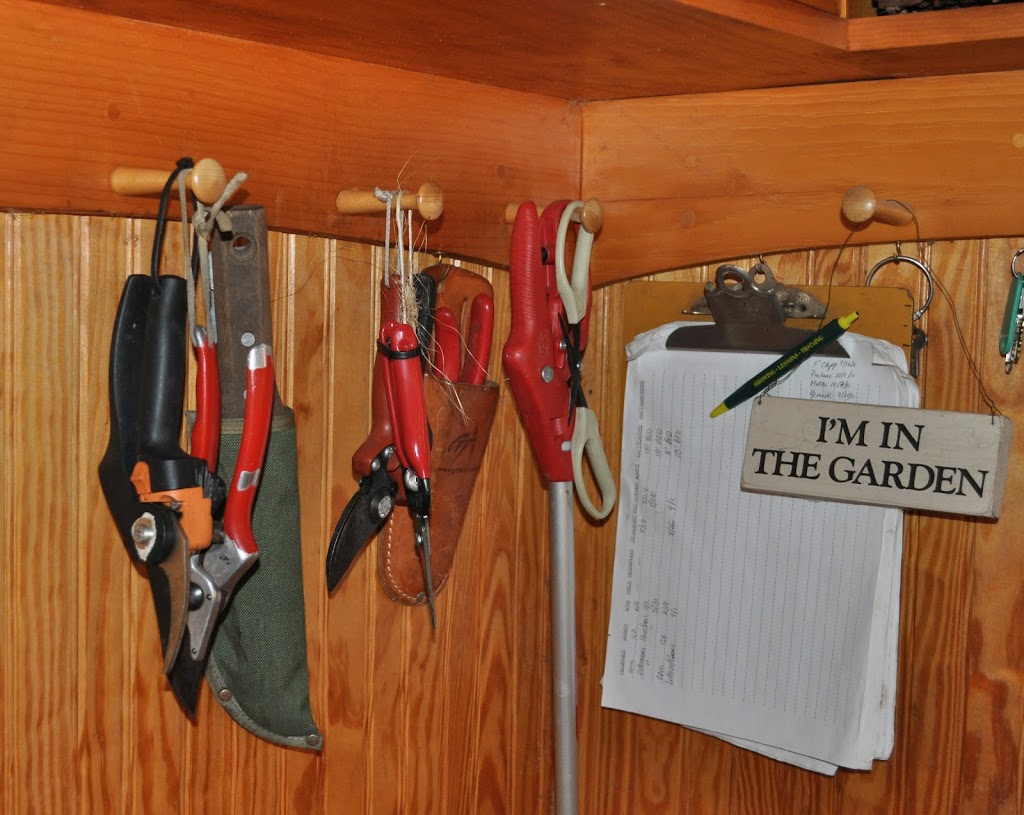
 https://leereich.com/wp-content/uploads/2012/03/Pruning-shears-hanging.jpg
815
1024
Lee A. Reich
https://leereich.com/wp-content/uploads/2022/12/header-home-link-247x54-2.png
Lee A. Reich2012-03-08 18:26:002024-02-13 17:44:34SEED LONGEVITY
https://leereich.com/wp-content/uploads/2012/03/Pruning-shears-hanging.jpg
815
1024
Lee A. Reich
https://leereich.com/wp-content/uploads/2022/12/header-home-link-247x54-2.png
Lee A. Reich2012-03-08 18:26:002024-02-13 17:44:34SEED LONGEVITY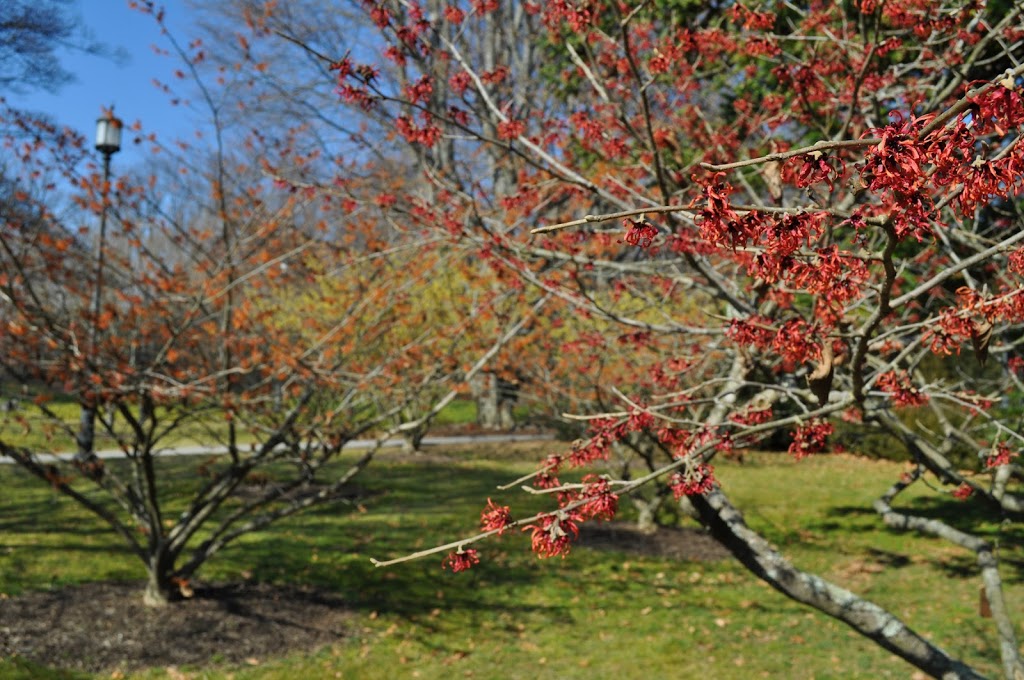 https://leereich.com/wp-content/uploads/2012/02/witchhazel-Longwood.jpg
680
1024
Lee A. Reich
https://leereich.com/wp-content/uploads/2022/12/header-home-link-247x54-2.png
Lee A. Reich2012-02-23 23:37:002014-07-23 20:08:00Longwood Revisited
https://leereich.com/wp-content/uploads/2012/02/witchhazel-Longwood.jpg
680
1024
Lee A. Reich
https://leereich.com/wp-content/uploads/2022/12/header-home-link-247x54-2.png
Lee A. Reich2012-02-23 23:37:002014-07-23 20:08:00Longwood Revisited https://leereich.com/wp-content/uploads/2012/02/View-through-window-to-garden.jpg
1024
680
Lee A. Reich
https://leereich.com/wp-content/uploads/2022/12/header-home-link-247x54-2.png
Lee A. Reich2012-02-16 11:32:002014-07-23 20:10:02ADMIRING THE GARDEN, NOW? & COLD PLANS
https://leereich.com/wp-content/uploads/2012/02/View-through-window-to-garden.jpg
1024
680
Lee A. Reich
https://leereich.com/wp-content/uploads/2022/12/header-home-link-247x54-2.png
Lee A. Reich2012-02-16 11:32:002014-07-23 20:10:02ADMIRING THE GARDEN, NOW? & COLD PLANS https://leereich.com/wp-content/uploads/2022/12/header-home-link-247x54-2.png
0
0
Lee A. Reich
https://leereich.com/wp-content/uploads/2022/12/header-home-link-247x54-2.png
Lee A. Reich2012-02-15 10:40:002014-07-23 20:10:40NEW FRUIT BOOK HOT OFF THE PRESS!
https://leereich.com/wp-content/uploads/2022/12/header-home-link-247x54-2.png
0
0
Lee A. Reich
https://leereich.com/wp-content/uploads/2022/12/header-home-link-247x54-2.png
Lee A. Reich2012-02-15 10:40:002014-07-23 20:10:40NEW FRUIT BOOK HOT OFF THE PRESS!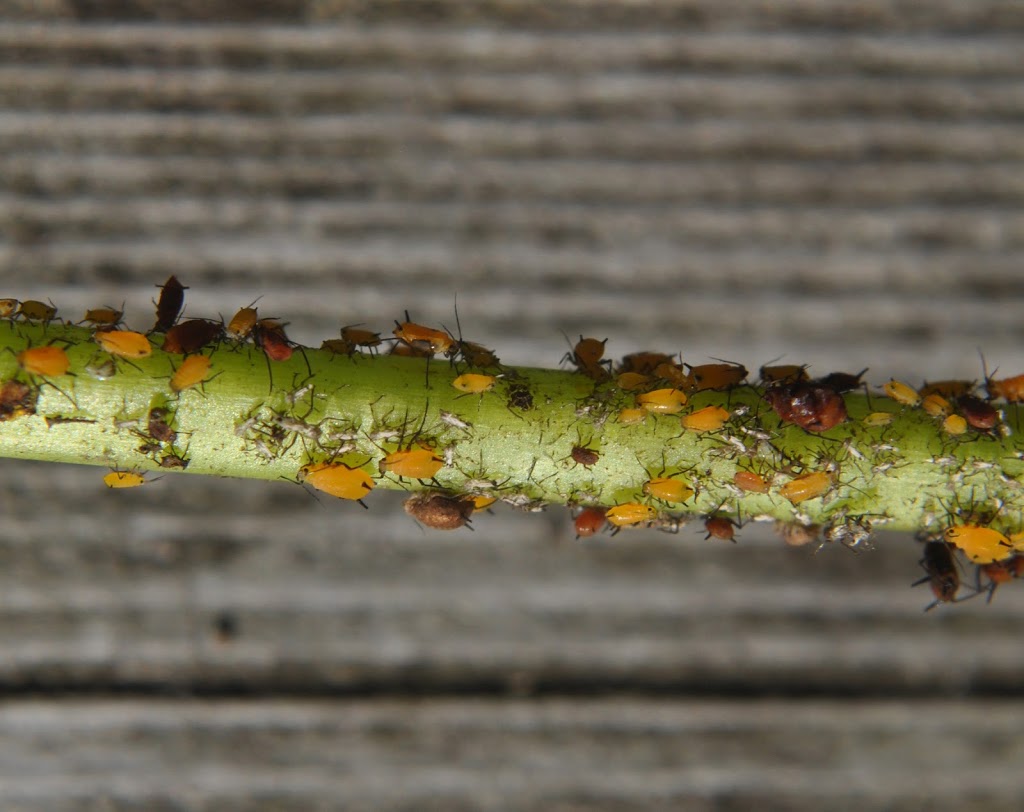 https://leereich.com/wp-content/uploads/2012/02/Aphids.jpg
812
1024
Lee A. Reich
https://leereich.com/wp-content/uploads/2022/12/header-home-link-247x54-2.png
Lee A. Reich2012-02-08 22:13:002014-07-23 20:11:47WELCOMING IN SPRING & ODD HOUSEPLANT
https://leereich.com/wp-content/uploads/2012/02/Aphids.jpg
812
1024
Lee A. Reich
https://leereich.com/wp-content/uploads/2022/12/header-home-link-247x54-2.png
Lee A. Reich2012-02-08 22:13:002014-07-23 20:11:47WELCOMING IN SPRING & ODD HOUSEPLANT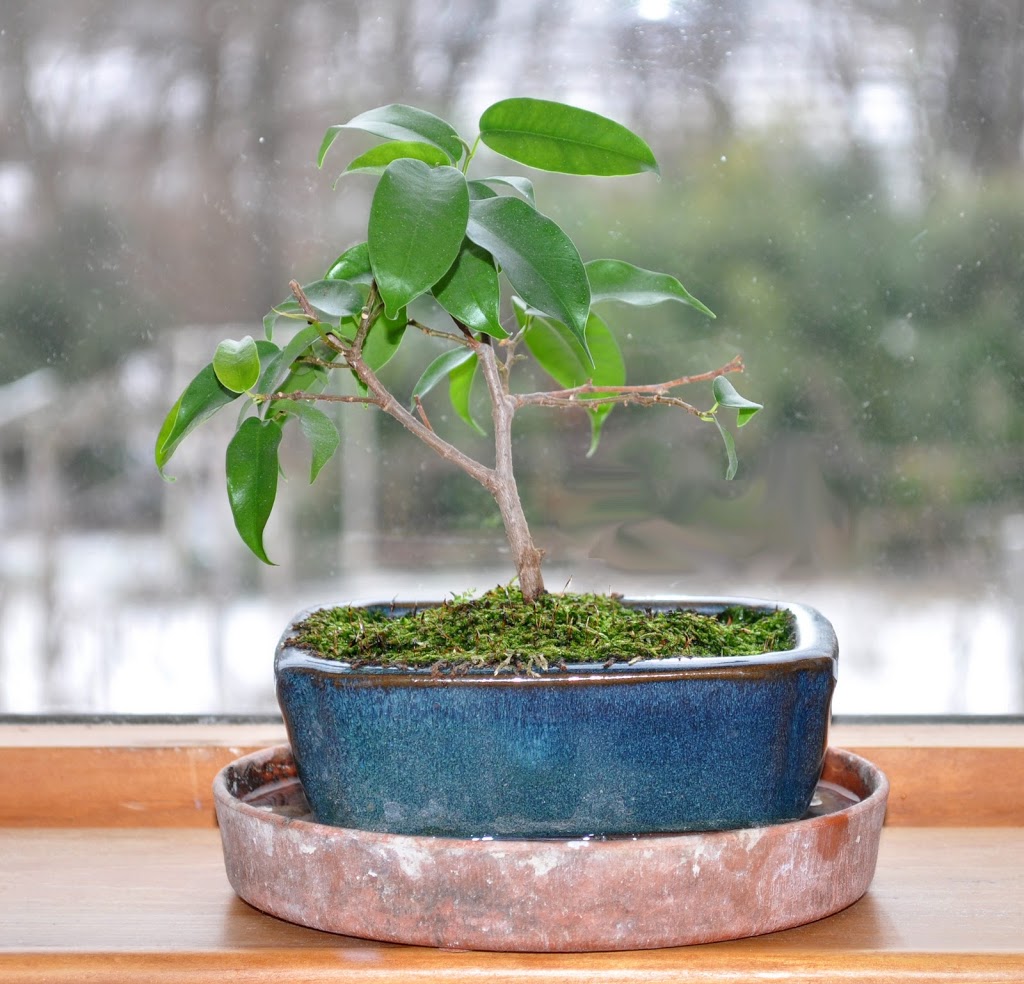 https://leereich.com/wp-content/uploads/2012/02/Bonsai-weeping-fig-1.12.jpg
984
1024
Lee A. Reich
https://leereich.com/wp-content/uploads/2022/12/header-home-link-247x54-2.png
Lee A. Reich2012-02-02 11:27:002014-07-23 20:12:45BONSAI GOOD, JASMINE BAD
https://leereich.com/wp-content/uploads/2012/02/Bonsai-weeping-fig-1.12.jpg
984
1024
Lee A. Reich
https://leereich.com/wp-content/uploads/2022/12/header-home-link-247x54-2.png
Lee A. Reich2012-02-02 11:27:002014-07-23 20:12:45BONSAI GOOD, JASMINE BAD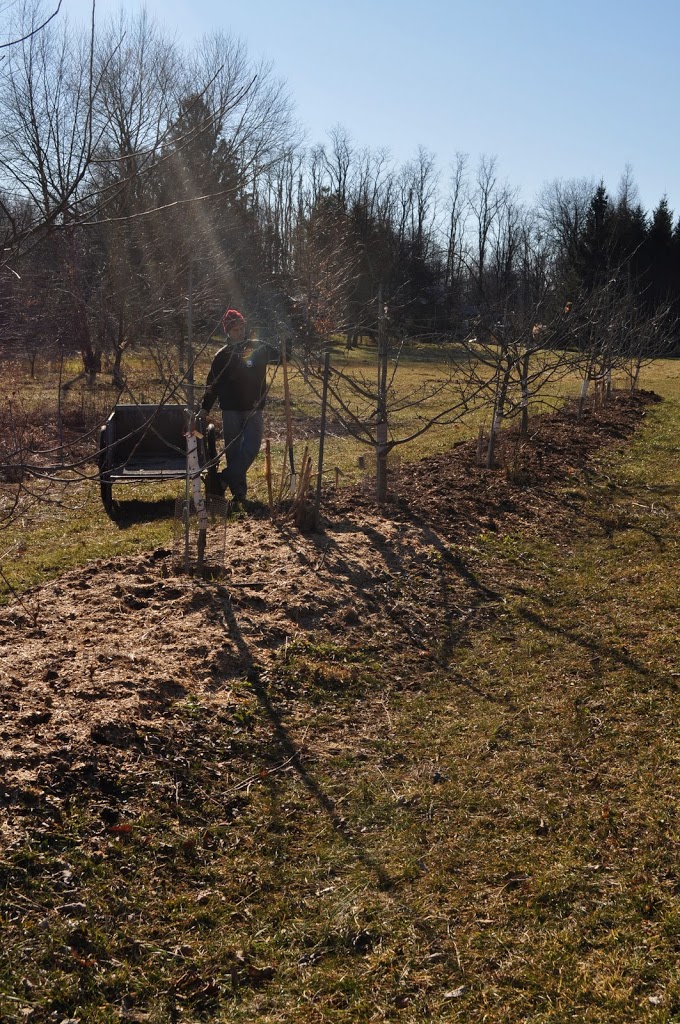 https://leereich.com/wp-content/uploads/2012/01/Mulching-252C-wood-ships-252C-apples.jpg
1024
680
Lee A. Reich
https://leereich.com/wp-content/uploads/2022/12/header-home-link-247x54-2.png
Lee A. Reich2012-01-26 08:29:002014-07-23 20:13:39KEEPING MULCH SIMPLE
https://leereich.com/wp-content/uploads/2012/01/Mulching-252C-wood-ships-252C-apples.jpg
1024
680
Lee A. Reich
https://leereich.com/wp-content/uploads/2022/12/header-home-link-247x54-2.png
Lee A. Reich2012-01-26 08:29:002014-07-23 20:13:39KEEPING MULCH SIMPLE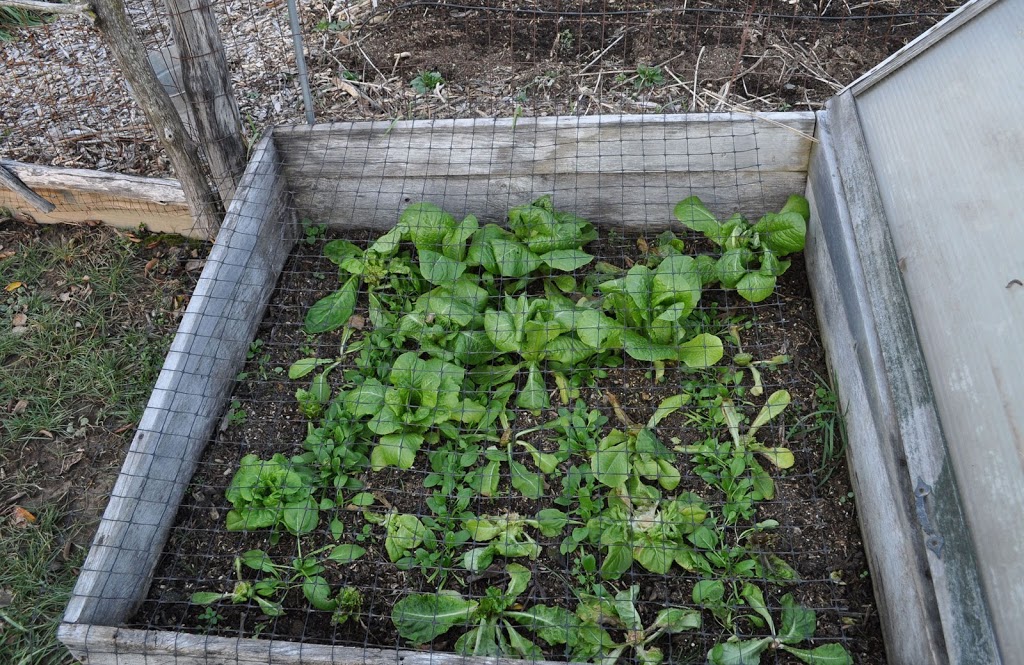 https://leereich.com/wp-content/uploads/2012/01/coldframe.jpg
665
1024
Lee A. Reich
https://leereich.com/wp-content/uploads/2022/12/header-home-link-247x54-2.png
Lee A. Reich2012-01-06 10:05:002014-07-23 20:17:20SALAD TUNNELS & COLDFRAMES, AND INDOOR “PINE”
https://leereich.com/wp-content/uploads/2011/12/corylus-and-castanea-in-baskets.jpg
612
1024
Lee A. Reich
https://leereich.com/wp-content/uploads/2022/12/header-home-link-247x54-2.png
Lee A. Reich2011-12-29 05:12:002014-07-23 20:18:05WHOSE NUTS?
https://leereich.com/wp-content/uploads/2012/01/coldframe.jpg
665
1024
Lee A. Reich
https://leereich.com/wp-content/uploads/2022/12/header-home-link-247x54-2.png
Lee A. Reich2012-01-06 10:05:002014-07-23 20:17:20SALAD TUNNELS & COLDFRAMES, AND INDOOR “PINE”
https://leereich.com/wp-content/uploads/2011/12/corylus-and-castanea-in-baskets.jpg
612
1024
Lee A. Reich
https://leereich.com/wp-content/uploads/2022/12/header-home-link-247x54-2.png
Lee A. Reich2011-12-29 05:12:002014-07-23 20:18:05WHOSE NUTS?