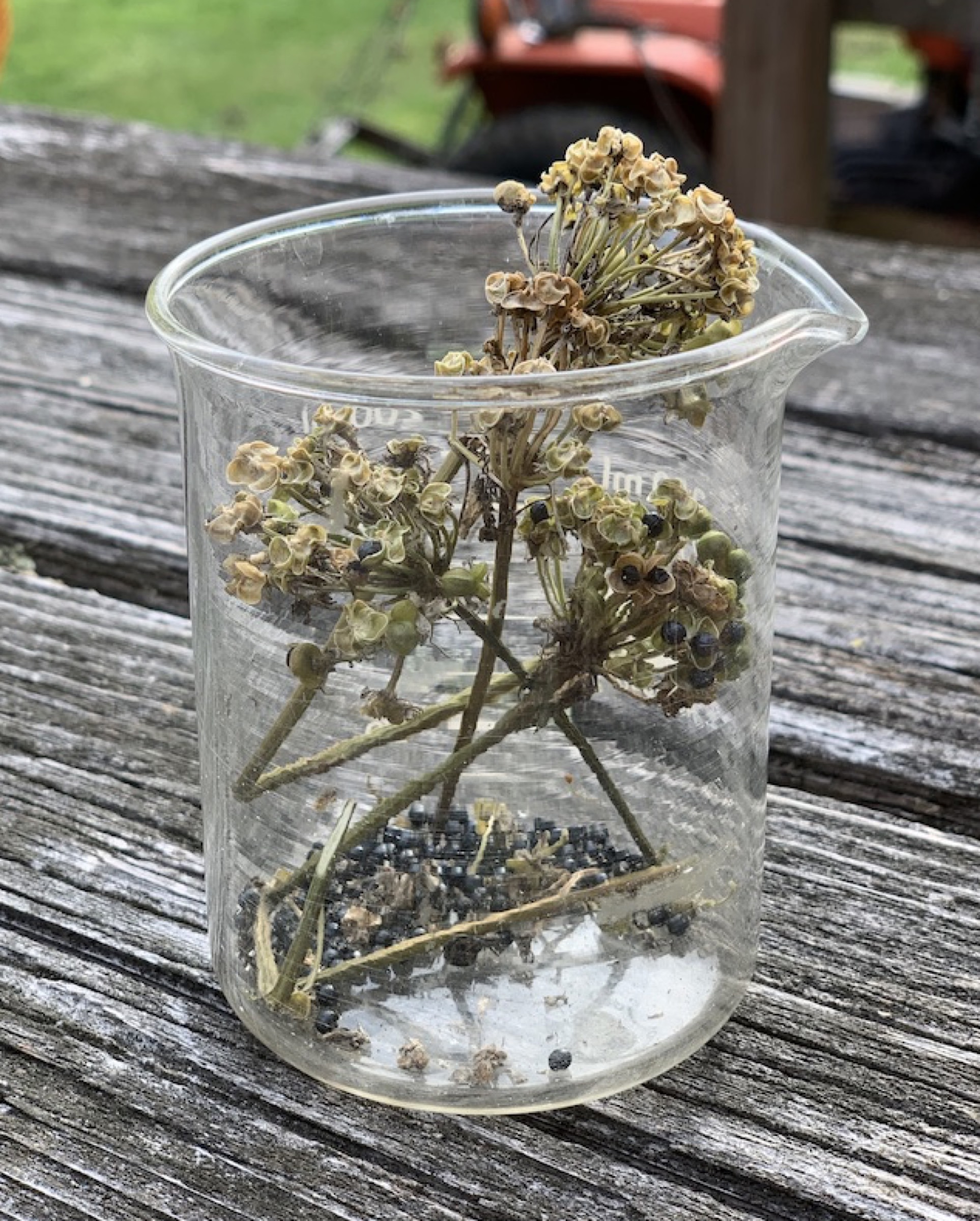
Drying seeds of ramps

MY SAVINGS ACCOUNTS

Reasons to Save

I’m saving seeds of some of this year’s juiciest tomatoes and most colorful flowers to plant in next year’s garden. Why? Saving my own seed from year to year gives me a bit of independence from seed companies, which, for one reason or another, may stop offering certain varieties.
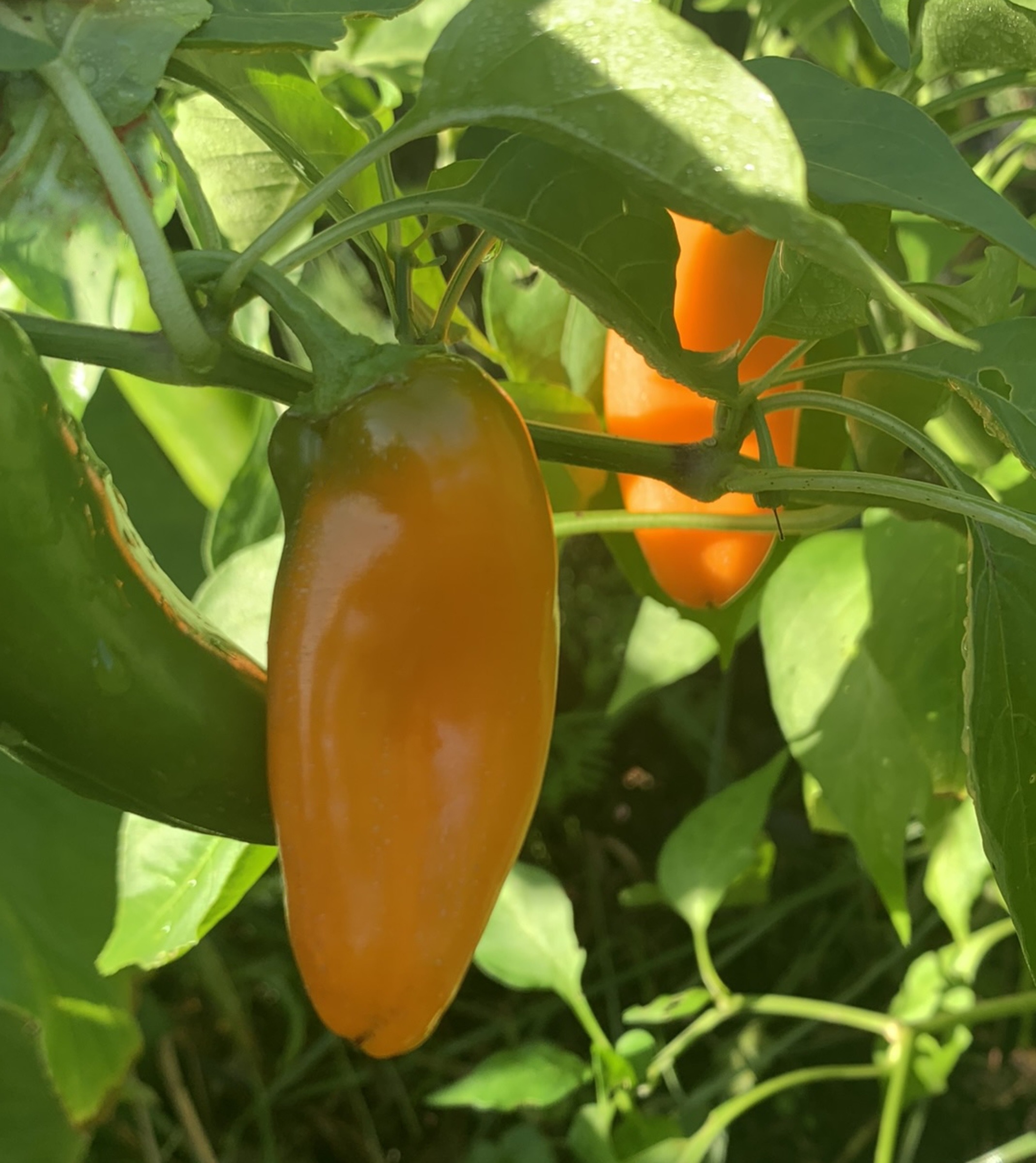
Picnic Orange pepper from saved seed

Picnic Orange pepper from saved seed

It’s also a way way to maintain an annual supply of seeds that seed companies never offer, so-called heirloom varieties that have been handed down for generations from parents to children and from neighbor to neighbor. Read more
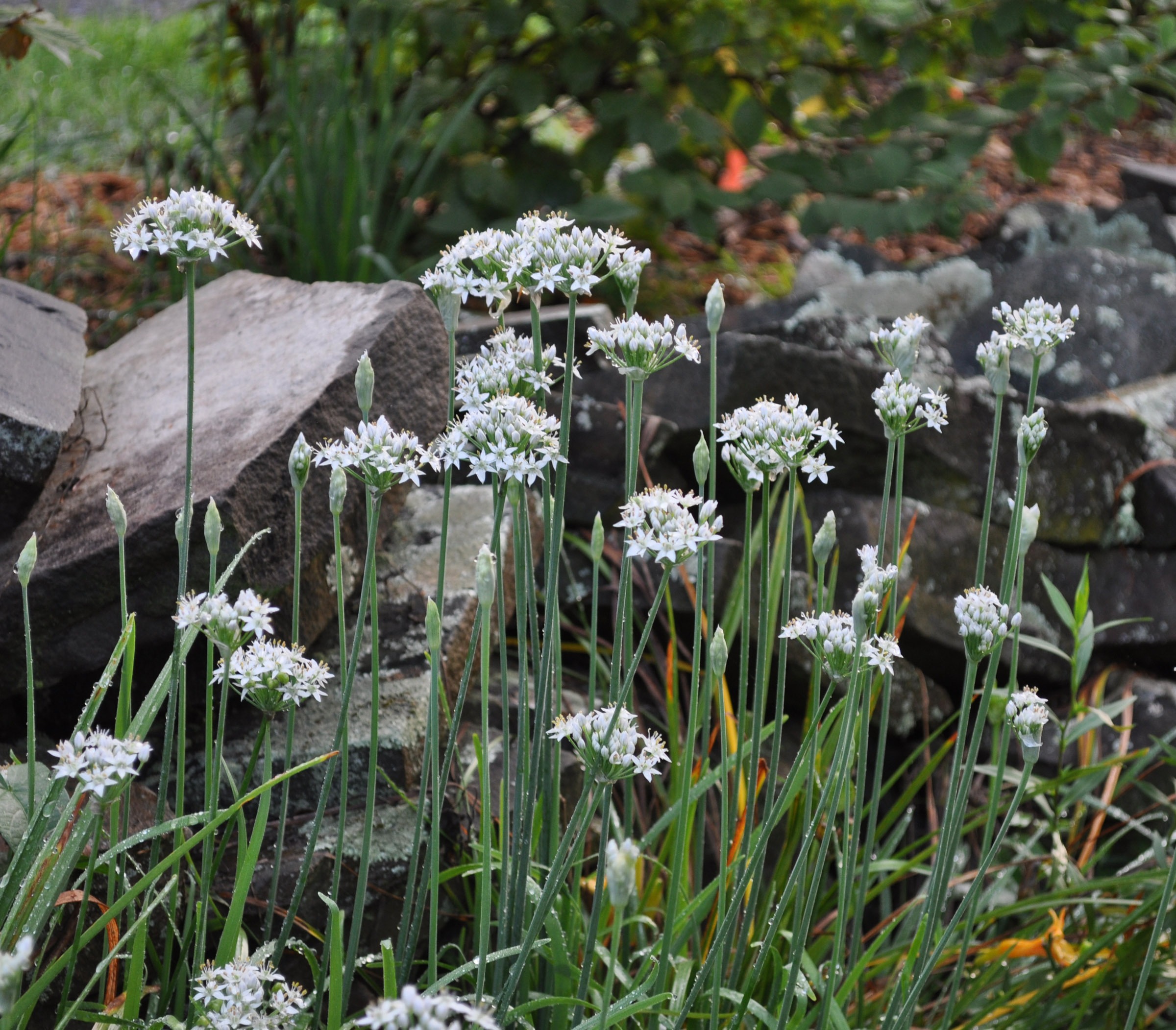
Garlic chives

TWO GOOD FLAVORS IN ONE

Friend or Foe?

Is it a weed or is it a garden plant? Garlic chives (Allium tuberosum) is among those plants — paulownia tree, Jerusalem artichoke, mint, and anise hyssop are others — that has  paraded under either guise.

Garlic chives comes from a good enough family, the onion family. There is one definitely weedy member to this family, wild garlic, but so many of its other kin are valuable garden plants. Star-of-Persia, Read more

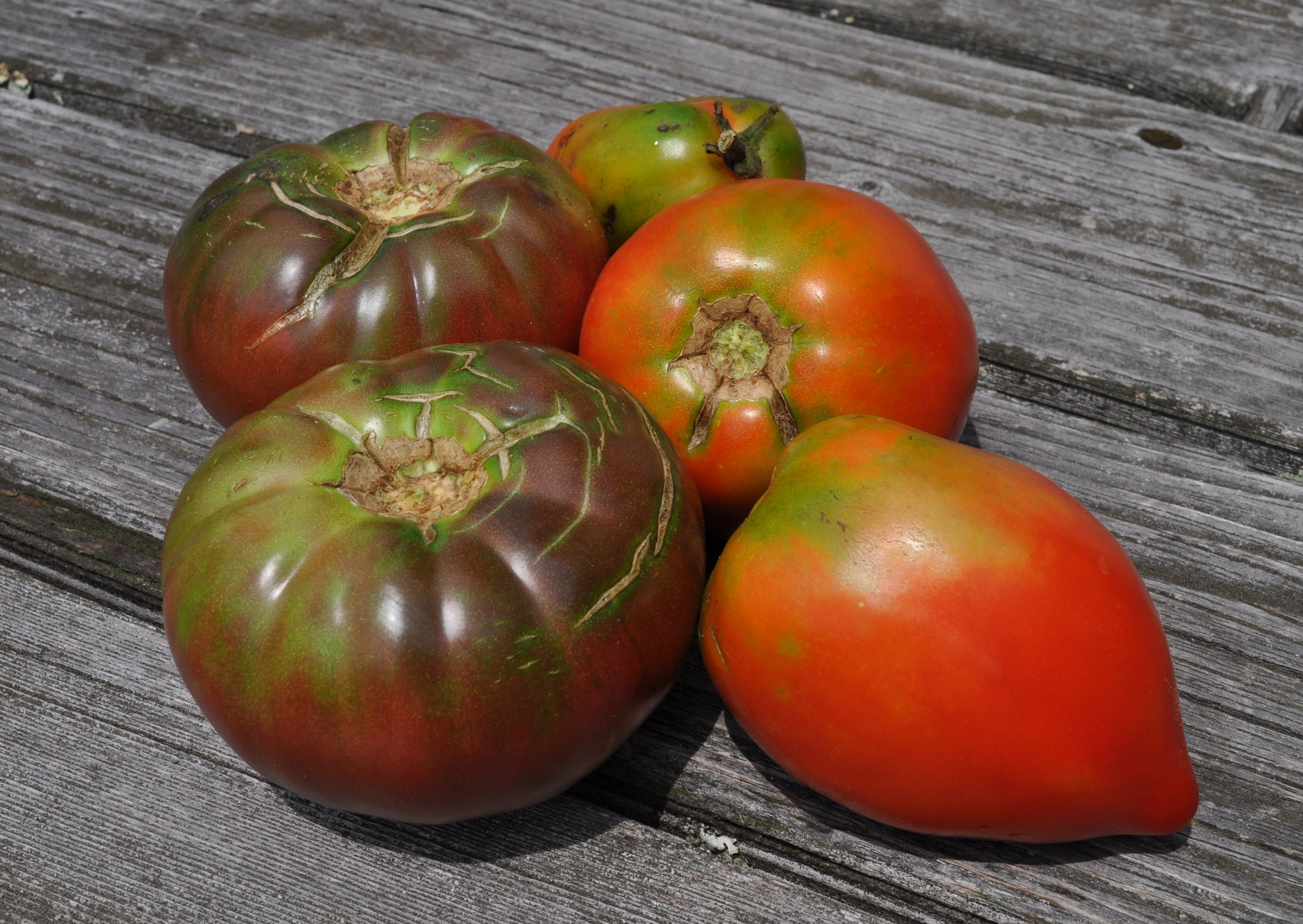
Tomatoes, Cherokee Purple & Amish Paste

HOMEGROWN IS NOT ALWAYS THE BEST

What is Ripe?

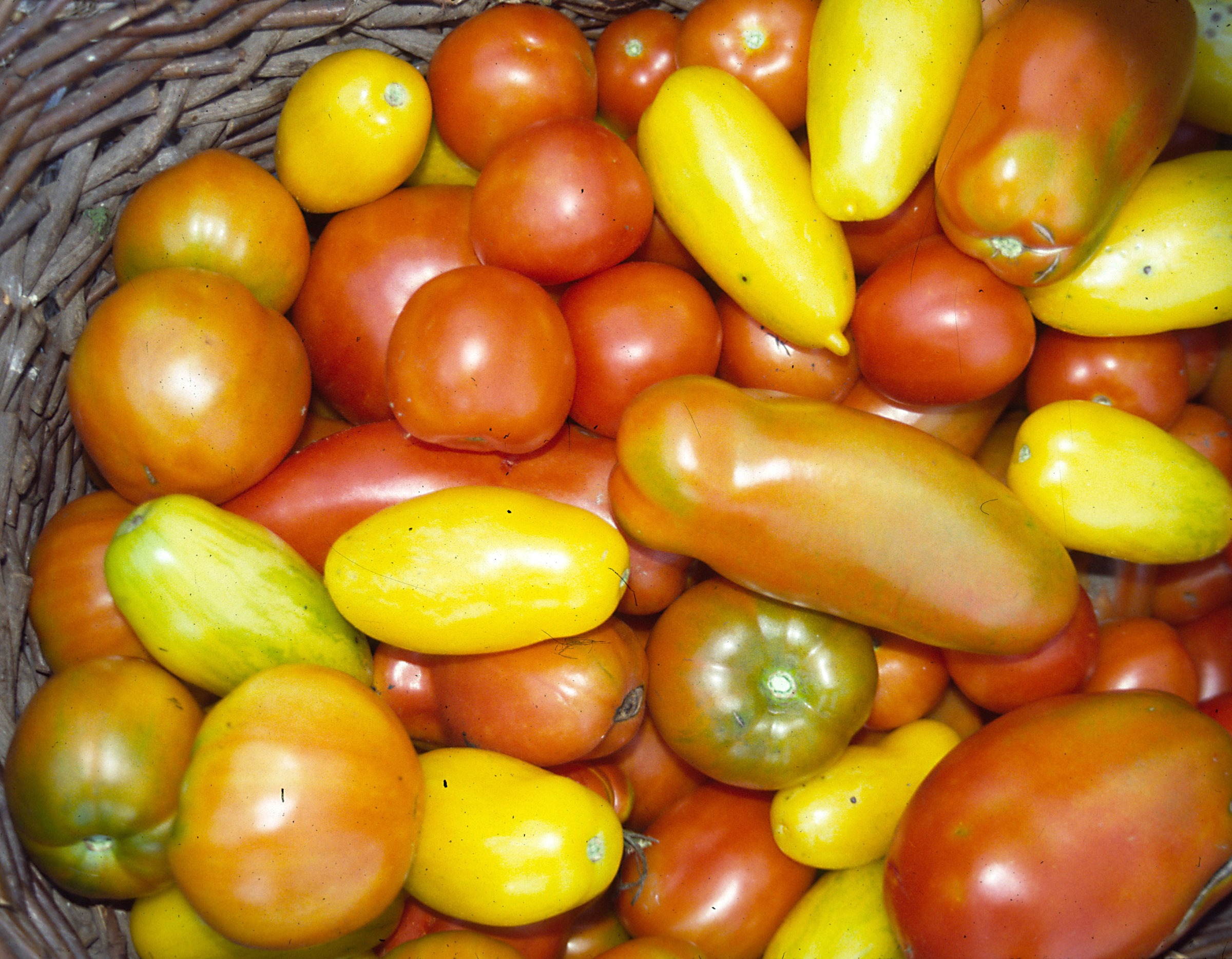
Some people, many of them gardeners, believe that the secret to eating a delectable tomato is to grow it yourself. Second best, they say, is farm-fresh. At the risk of committing horticultural sacrilege, I say “not so” in both cases.Various tomato varieties

Ripeness is, of course, important to great flavor. An unripe tomato tastes no better than cotton soaked in diluted lemon juice, to me at least. But this time of year, ripe tomatoes are to be had everywhere: from backyards, from roadsides, from farm stands, even from supermarkets! And if truth be told, tomatoes picked slightly underripe can still ripen to perfection off the plant, as do bananas, winter apples, avocados, and pears.  Read more

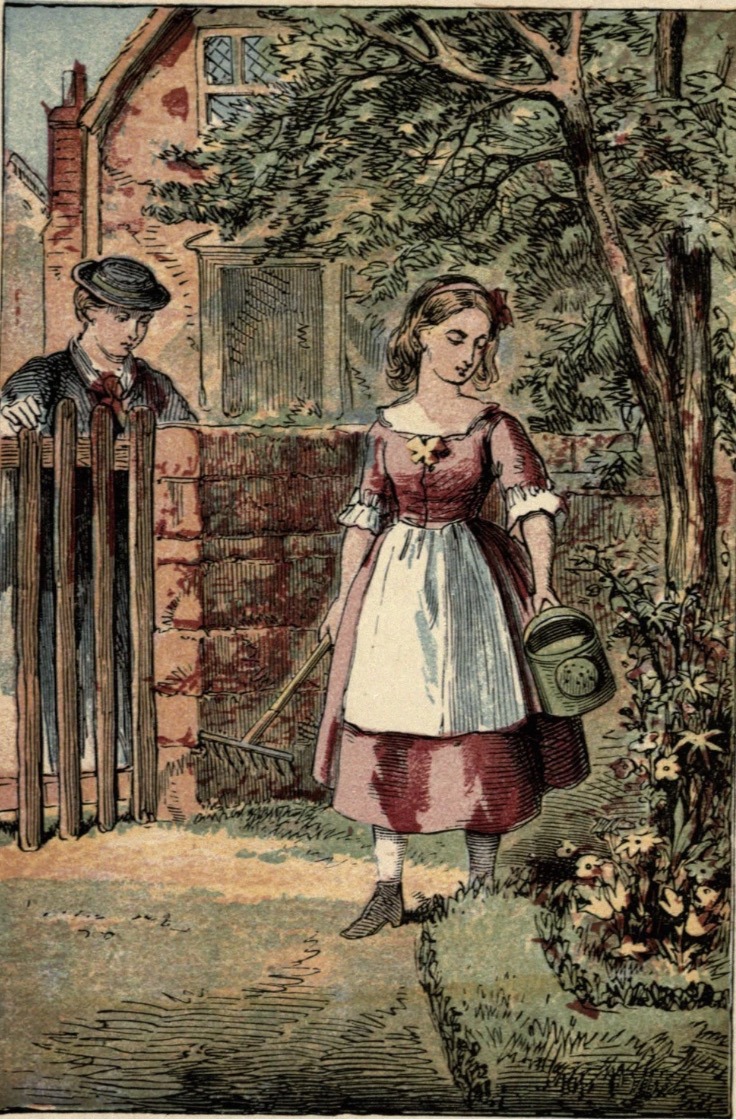
Mary, Mary, Quite Contrary,” illustration from The National Nursery Book, ca. 1870

HOW DID HER GARDEN GROW?

What are Silver Bells?

“Mary, Mary, quite contrary, how does your garden grow; With silver bells and cockleshells, all standing . . .” Wait a second here! With what? Silver bells and cockleshells? Has anyone besides Contrary Mary ever grown either of these plants? What are they?

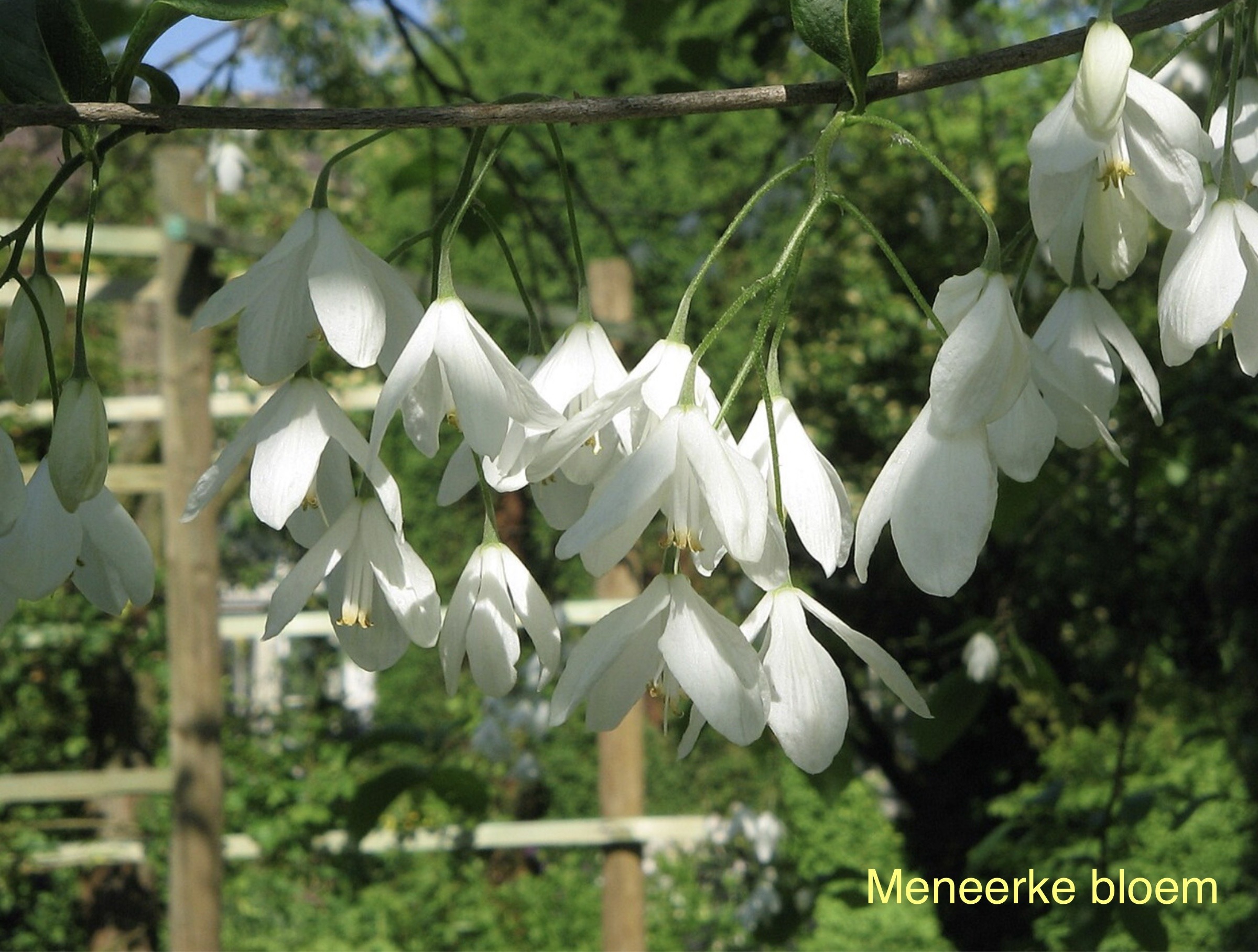
A few people do grow Carolina (Halesia carolina) or two-wing silverbells (Halesia diptera). Both small trees are bedecked in spring with rosy or white flowers that hang from the branches like little bells.

Halesia diptera

Halesia diptera

I doubt that Mary was growing this plant, though, because she was British and silverbells are native to southeastern US. Not impossible, though, since silverbell trees were introduced into the UK in 1756, about the same time that the nursery ditty was first seen in print. Read more

Tomato early blight

WHAT’S UP WITH TOMATOES?

Hurry Up

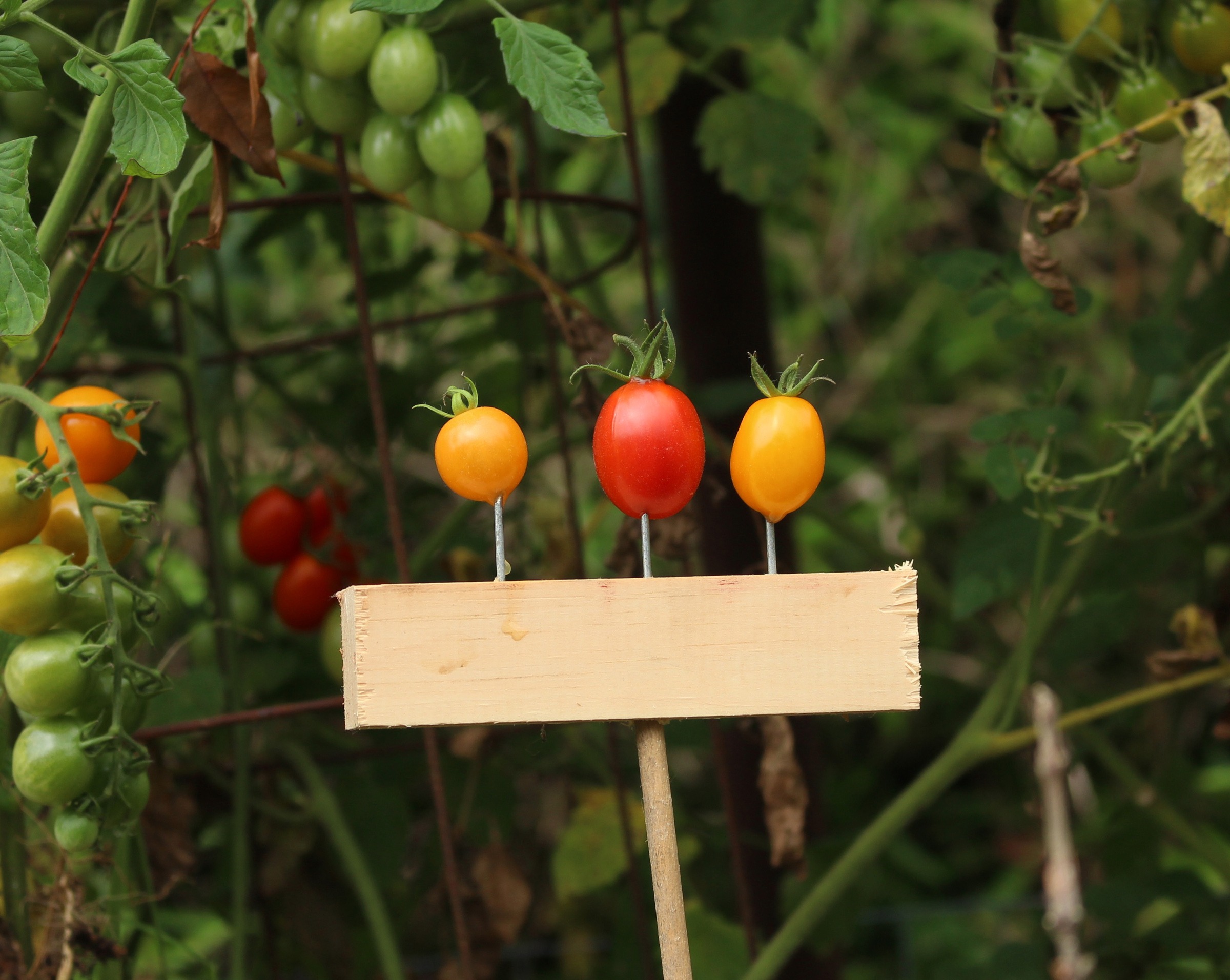
I’ve been enjoying tasty nuggets of Sungold tomatoes for a few weeks, and hope very soon to finally settle back to enjoy an abundance of large, juicy, red or orange tomatoes, the varieties at their best sliced and sandwiched,along with congenial companions, between two slices of bread. Those large tomato fruits are late in ripening this year.Tomatoes, still green

The problem, like lots of garden issues, can be blamed on the weather. Ideal temperatures for ripening tomatoes lie between 70 and 75 degrees F. Read more

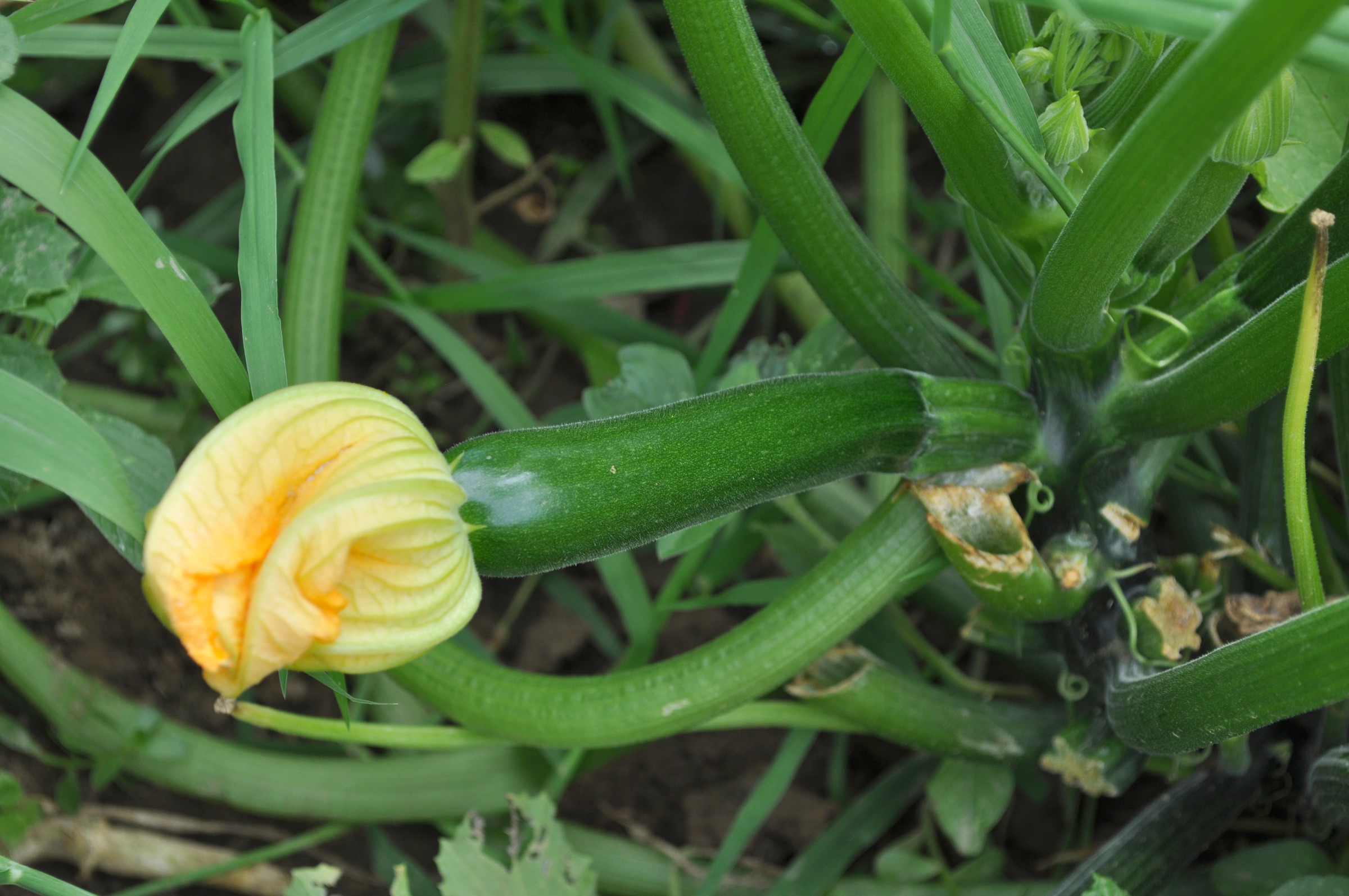
Baby zucchini

DOES SIZE MATTER?

Not Only for the Well-Heeled

Miniature vegetables are one size extreme that strikes the vegetable fancier’s imagination — witness all those bags of “mini” carrots lined up on market shelves. Those carrots are just one of many miniature vegetables you can grow yourself. Cherry tomatoes

According to Truman Capote, people once thought you could judge the rich by the vintage of their wine or the number of their homes, but what truly mattered was the size of their vegetables: they were tiny. Perhaps that’s still a measure of wealth. Read more

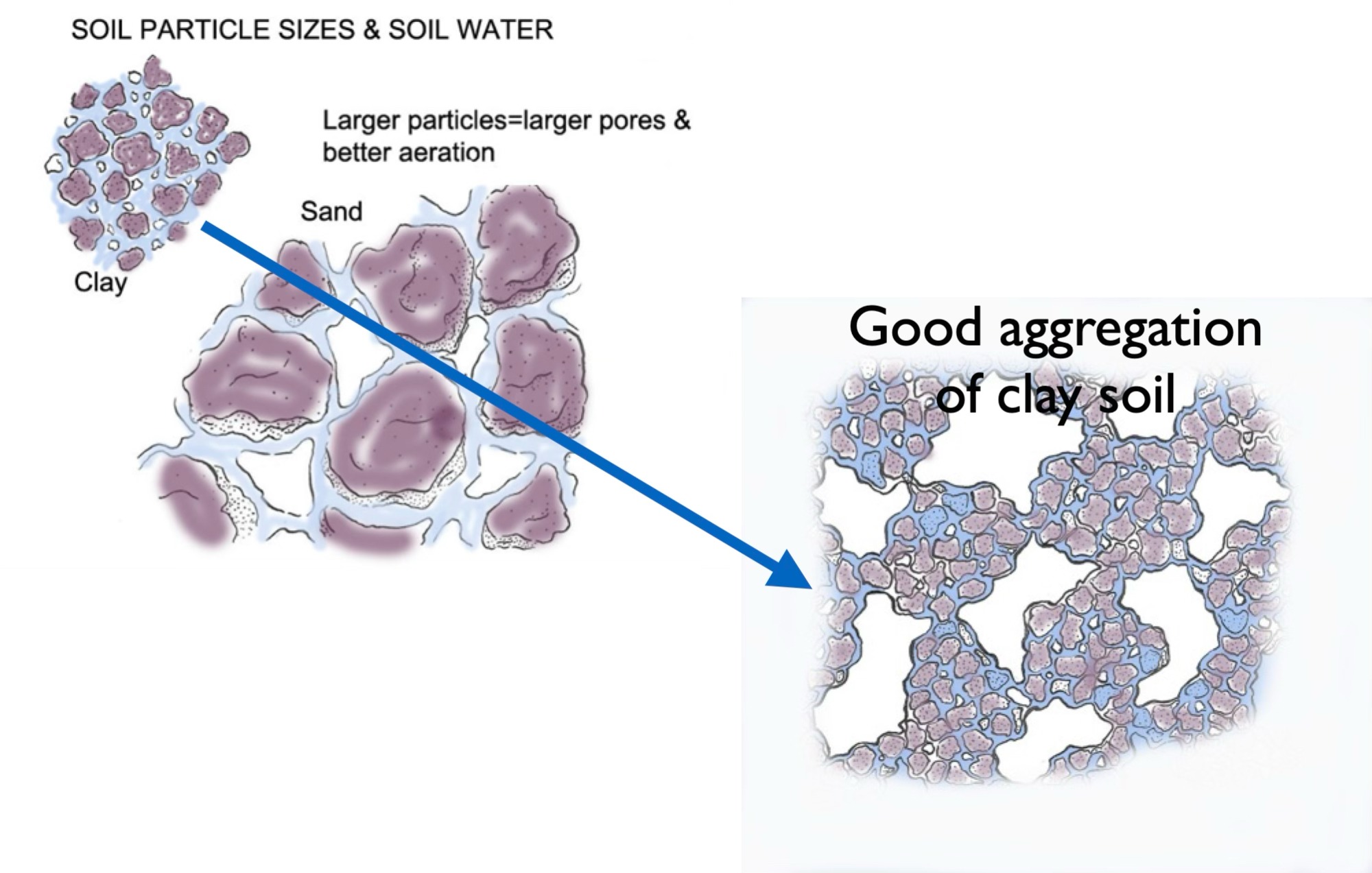
Soil particle size & aggregation

THE TRUTH ABOUT RAIN

Plenty of Water Here. Really?

During an entire year, a meager three-hundredths of an inch of rain falls on Arica, Chile, yet halfway across the Pacific in the Hawaiian Archipelago, Mount Waialeale receives a sopping 460 inches. The climate on my farmden, and throughout northeastern U.S., is more or less congenial for growing plants — at least those plants we enjoy in our gardens.Arica and Mount Waialeale

We average about four inches of rainfall each month throughout the year, and this amount complements nicely the inch depth of water per week recommended for most garden plants. Read more

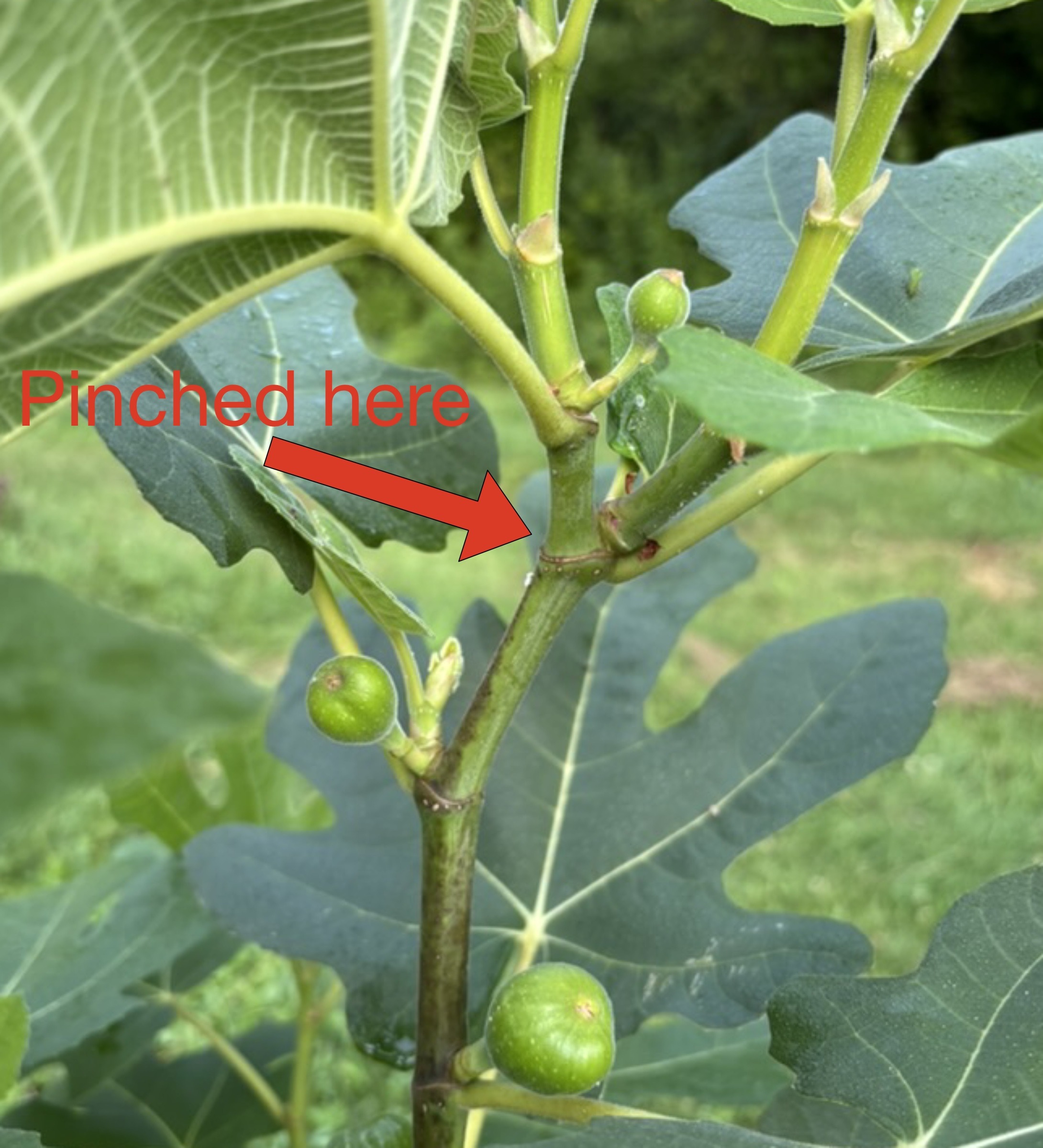
Effect of pinching fig shoot

TWO FREE PRUNING TOOLS!

Tool Number One

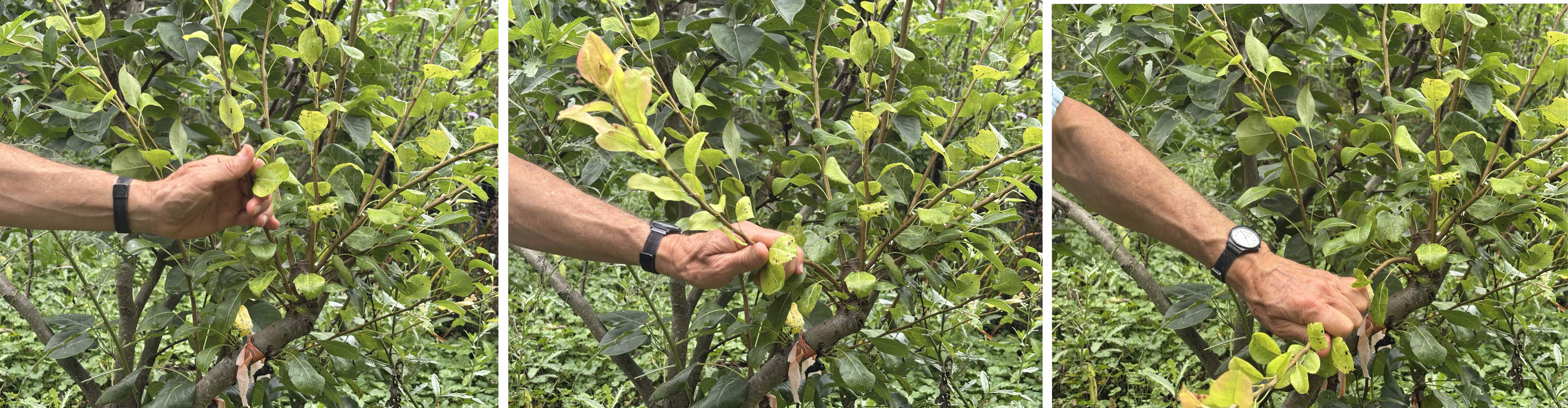
Right now, I have before me a most useful pruning tool, two different kinds of pruning tools, in fact. And they are always with me, even when I sleep. Let’s start with the first: my hands.

I use my hands to rip unwanted stems from plants. This seemingly brutal method of pruning can sometimes do a better job and leave the plant healthier than can a precision cut with pruning shears, even fancy pruning shears. Hand pruning is the best way to get rid of suckers, those overly exuberant, usually vertical stems.Removing waterspouts

On apple trees, watersprouts poking up along branches are not fruitful, at least not for a few years. Read more

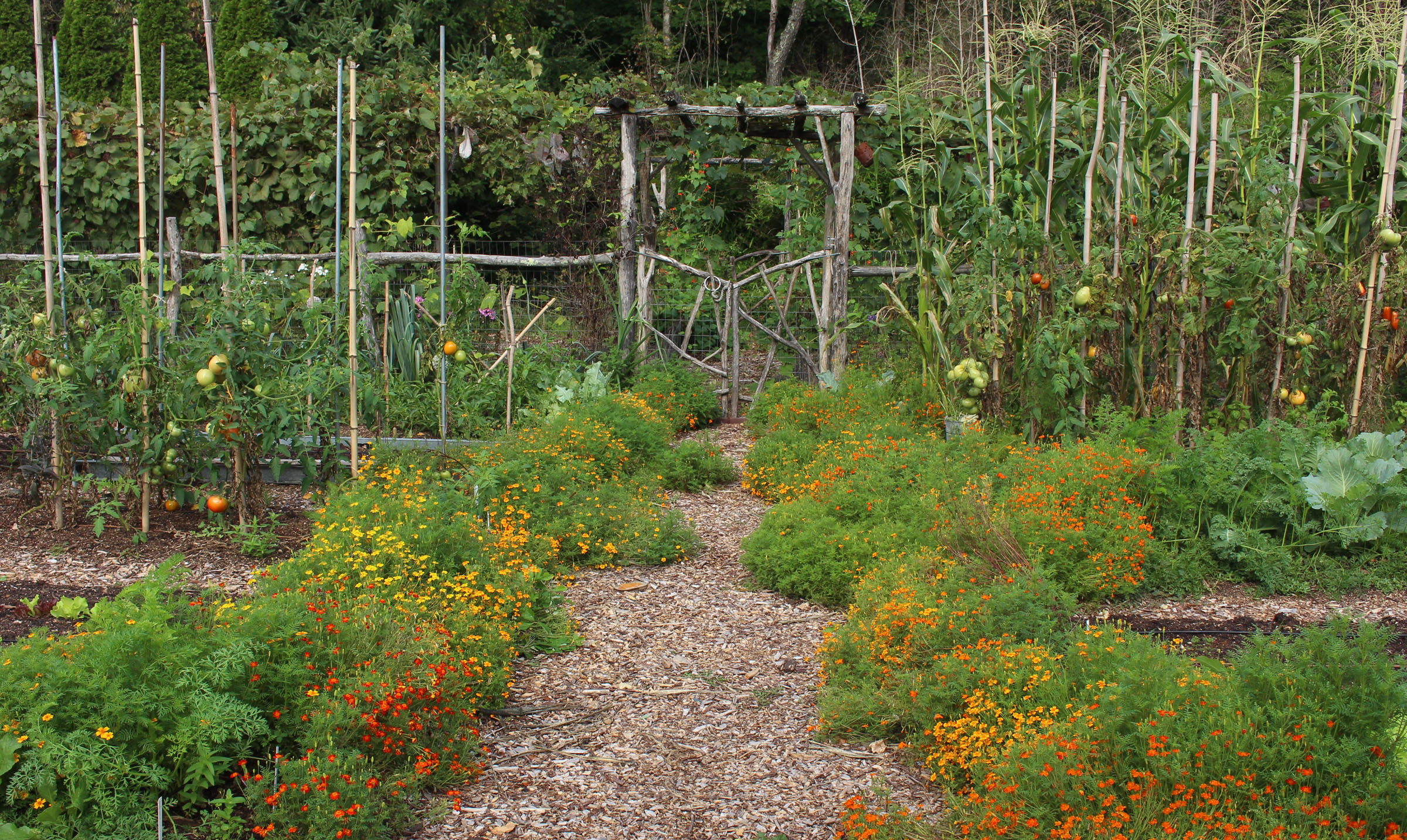
Lemon Gem marigolds in garden

CURE ALL OR SNAKE OIL?

Many Uses for Marigold

Gardeners who visit here frequently comment, upon seeing marigold plants growing in and at the foot of my vegetable beds, that I must have planted them for pest control. After all, marigolds are supposed to be one of the workhorses of biological pest control. Plant them and plant pests will be killed or — if they are lucky — merely repelled.Lemon Gem marigolds in garden

It’s an appealing concept: sunny plants that thwart pestilence and blight even as they brighten the garden with their blossoms. Marigolds greatest claim to pest control fame is their effect on nematodes, an effect documented in numerous scientific studies. Read more

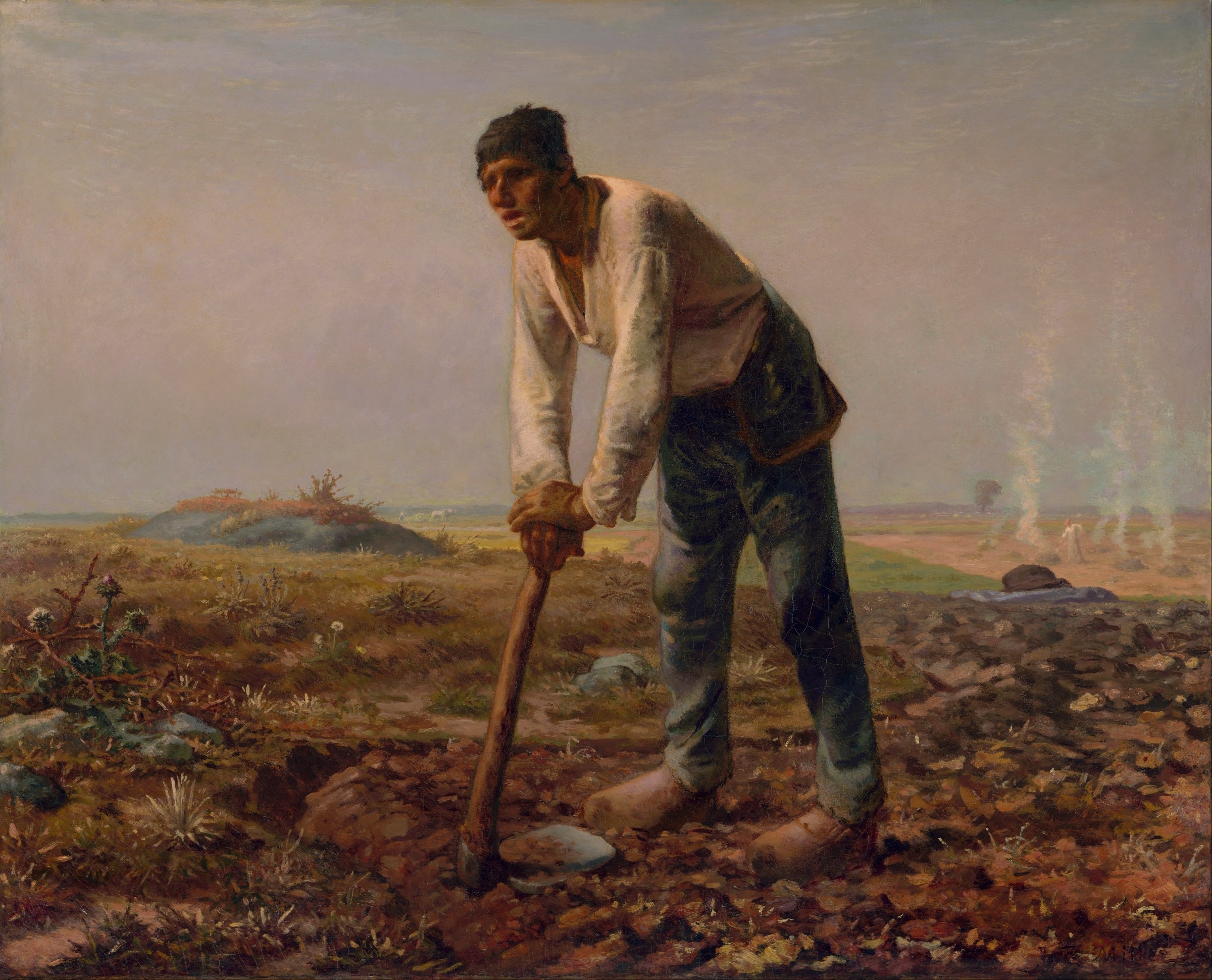
Painting of "Man with a Hoe" Millet (1860)

HOE, HOE, HOE

“Cultivate”??

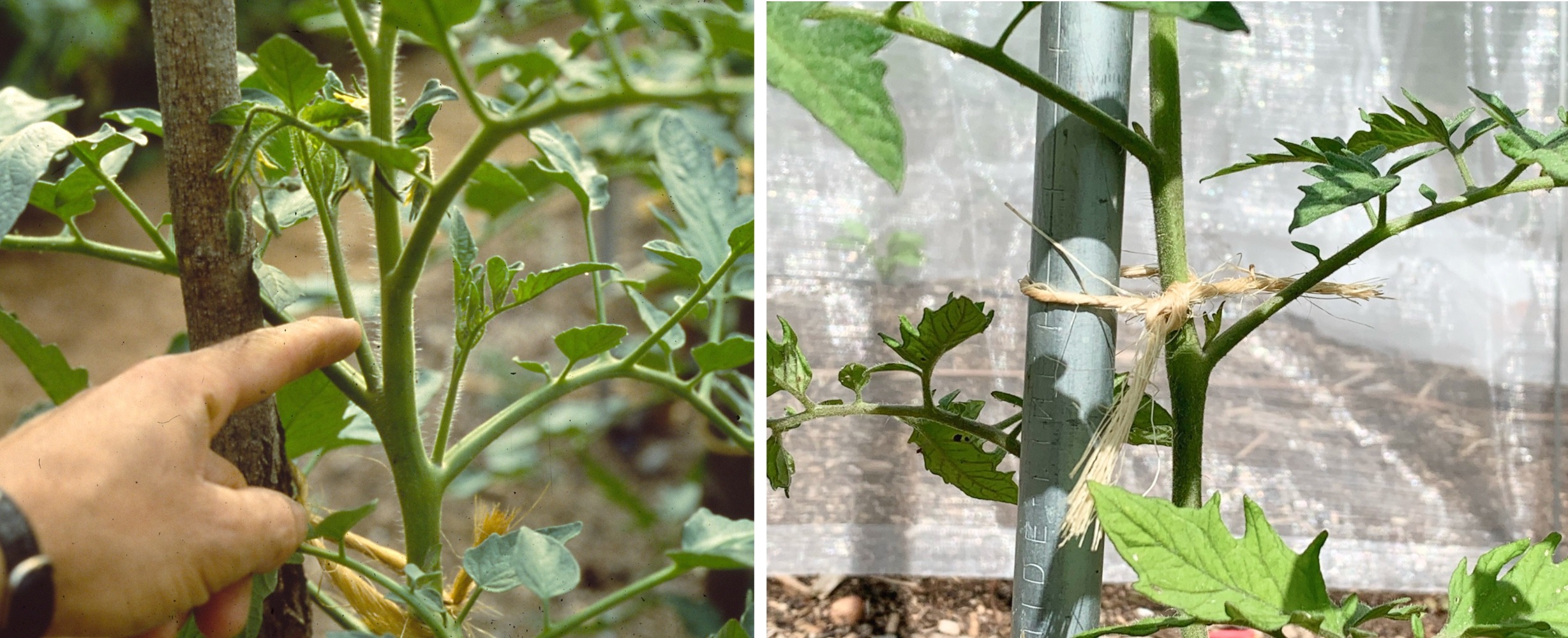
If I told you that I was stepping outside to “cultivate” my tomatoes, you’d perhaps think I was going out to pull off suckers and tie stems to their stakes. If I told you I was stepping outside to “cultivate” my garden, you’d perhaps imagine that I was going to attend to my tomatoes, perhaps also thin out excess corn plants, prune back my early blooming clematis, and . . . you get the picture. I’m going to take care of miscellaneous things in my garden.tomato pruning & tying

I wouldn’t say I’m stepping outside to “cultivate” my meadow because a meadow doesn’t involve the intimate care needed by a vegetable, a flower garden, or fruit trees or shrubs.

But “cultivate,” when it comes to gardening, is rife with meanings. Read more