Slug

PESKY CREATURES

Vegetables are Easy, But . . .

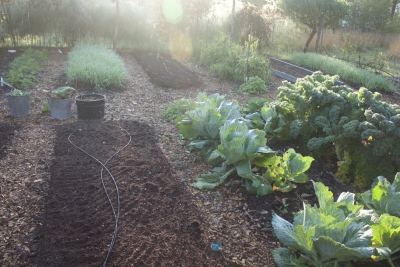
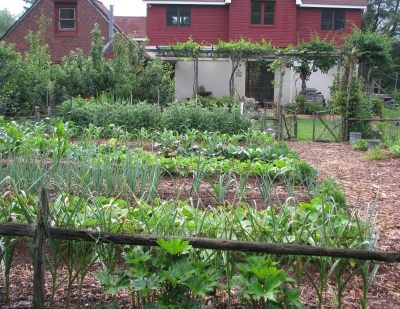
I consider vegetables generally easy to grow, especially if you grow lots of different kinds. If one kind does poorly one year, there are lots of other vegetables in the garden doing well, and there are other years.View of north garden
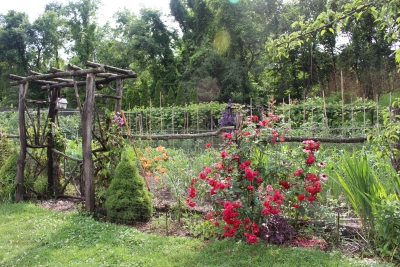
Still, vegetable — and flower — transplants are especially apt to suffer attacks from three pests this time of year, each leaving a telltale clue to its presence or handiwork. Stems might be chopped off at the soil line. Leaves might be chewed. Or leaves might be shot full of tiny holes. The culprits? Respectively: cutworms, slugs, and flea beetles.

All three culprits have cosmopolitan tastes, attacking practically any transplant you set out. Fortunately, these pests can be controlled to some degree without toxic (to you, and nontarget creatures) sprays, usually without resort to any sprays.

A Few, But Deadly, Bites

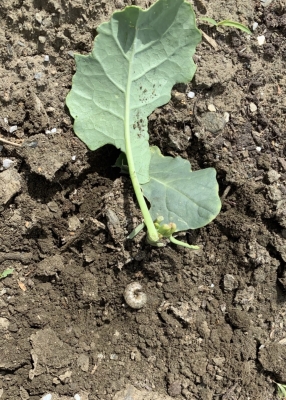
Cutworms take only a few bites out of new transplants, which would not be reprehensible if those few bites were not at ground level. Seedlings topple and, because they are just seedlings, never recover. Cutworm damageThe damage should not be confused with damping-off disease, which is a fungus that also attacks at the soil line, but only afflicts newly emerged seedlings. To make sure, scratch with your finger in the soil near the toppled plant and look for the bugger. Then squish it.Cutworm and broccoli
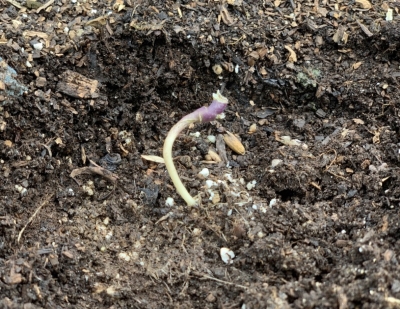
Cutworms are easily repulsed with some sort of barrier, such as a cardboard collar around each plant. Toilet paper tubes cut a couple of inches long are convenient for this purpose. Surround each transplant and press the collar a half-inch or so into the soil.

Before a cutworm takes a bite of a plant, it wraps its body around the plant’s stem to make sure the stem is tender enough to bite into. Once stems of vegetable and flower transplants toughen, cutworms leave them alone.

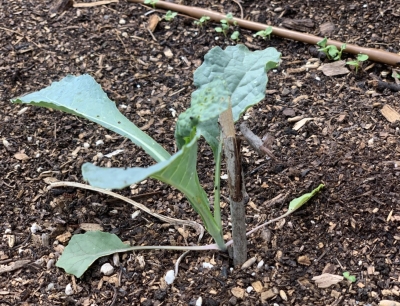
I used to fool cutworms by sticking one toothpick in the ground right up against each of my transplants. It worked. The insects think they are embracing small, woody-stemmed trees and leave the young plants alone.Cutworm protection with stick
Another method to foil cutworms (which I have not tried) is to trap them in foot-deep holes, made with a broom handle or an inch-thick dowel. As daylight approaches, the cutworms climb into these holes for shelter. What the cutworms do not realize is that they are incapable of ever climbing back out.

The life of the cutworm is not easy: this pest is also food for birds and ground beetles, and is parasitized by certain small wasps.

I have to admit that I haven’t used any of these cutworm control methods for years and years. I never see cutworms or their damage anymore. I’d like to think that it’s evidence of my having a green thumb, but much more likely are the robins and morning doves that I see patrolling my garden early every morning.

Slimy Slitherers

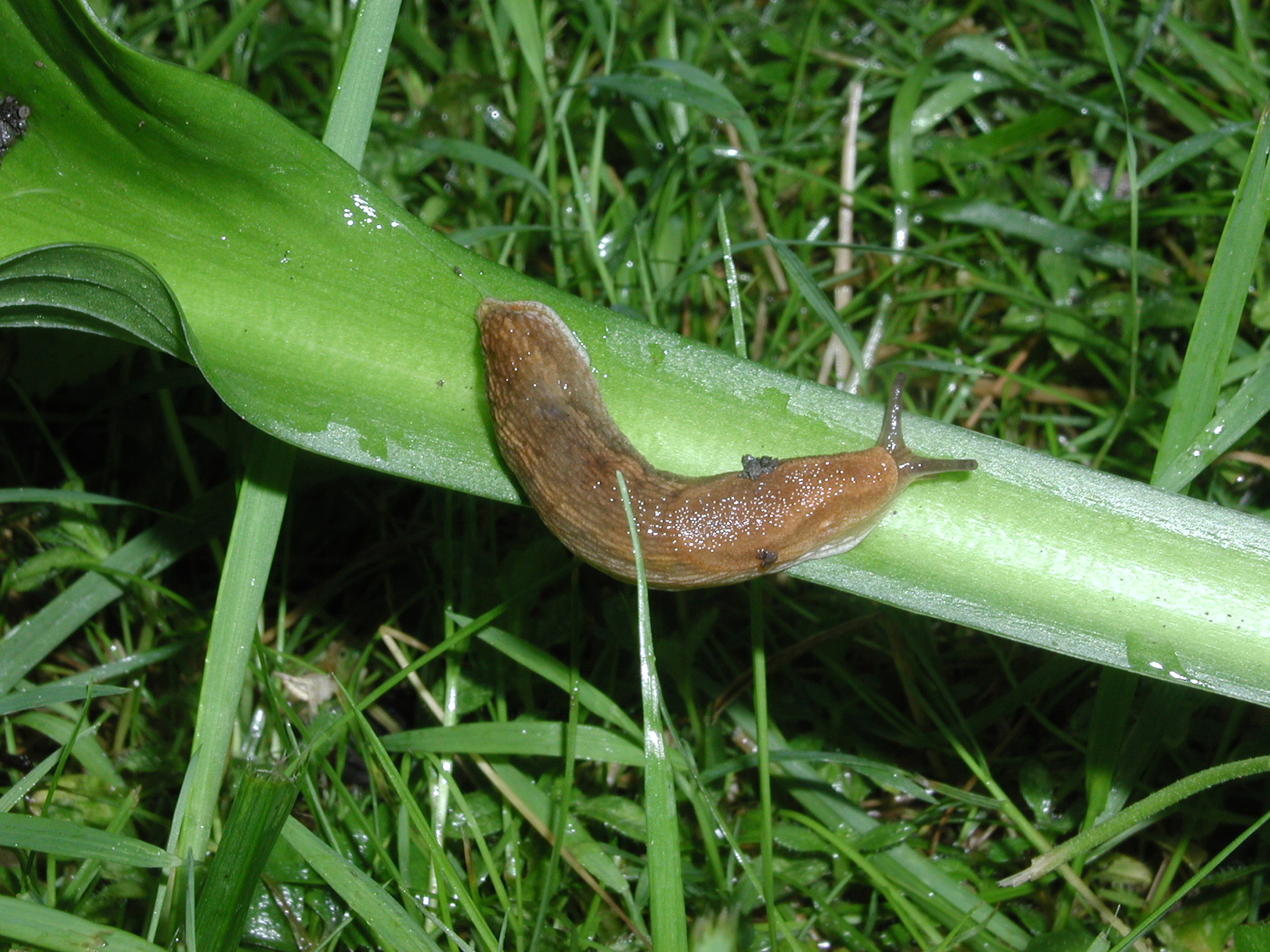
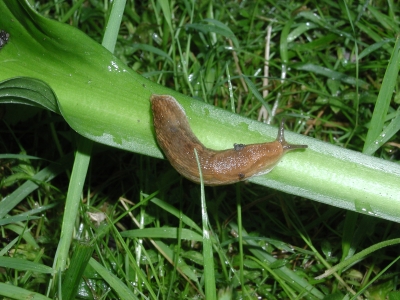
Moving on to slugs . . . these creatures love wet weather. Slugs slither around at night and by morning their presence is made known by the shiny trails and ragged leaves they have left. Here in the Northeast, they are up to a couple of inches long. In other parts of the country, they get as large as a half a foot or more long.Slug
Slugs don’t like anything sharp or caustic rubbing against their slimy bodies, so if you sprinkle a circle of sharp sand, diatomaceous earth, or woodashes around your plants, a slug will think twice before crossing this barrier. Unfortunately, these barriers must be renewed after rains, which is when slugs are most active.

You could take a flashlight into the garden at night and sneak up on slugs while they are at work. They are slippery to handpick, so take along a saltshaker. Sprinkling salt on them will kill them. It’s gruesome to watch, but very effective.

Beer is a somewhat effective poison bait for slugs. Put some beer — Budweiser is one of the best — in a shallow pan or cqn and sink it into the ground so the lip is about one inch above ground level. Almost immediately slugs will start inching to their demise.

A bait containing iron phosphate is very effective agains slugs, and considered nontoxic to just about everything else, including humans.

No need to open a fresh bottle each night, for slugs are happy even with stale beer. Some gardeners report good results with only yeast plus water. You might need lots of traps because slugs won’t “hear” the siren song of beer beyond a few feet.

A Different Kind of “Flea”

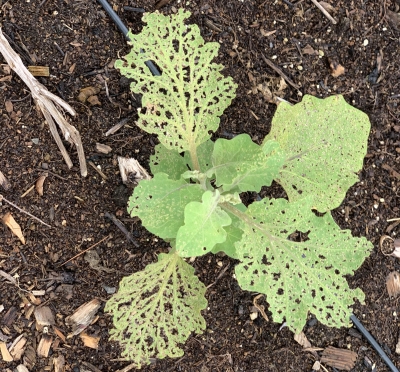
Flea beetles, which perforate leaves with small holes, are the most difficult of the three pests to control without pesticides. You may not notice the beetles because they’re only a couple of millimeters long and hop away when approached. Fleabeetles on eggplant
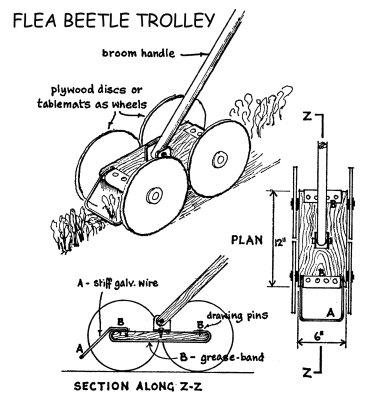
Lawrence D. Hills, in his 1974 book Grow Your Own Fruit and Vegetables, describes a contraption he put together himself. It looks like a high-riding skateboard, with a long handle at the top of the middle and a horizontal metal wire down across the front of the board. He tacked flypaper on the underside of the board. (Tangletrap© spread on the underside would work as well, or better.) As you push this contraption over a row of plants, the wire disturbs each leaf — and the flea beetles. Flea beetles hop away when disturbed; for these flea beetles, it’s their final hop as they get stuck on the flypaper.Flea beetle trolley
Predatory nematodes, which you can purchase, might also limit flea beetle damage by attacking eggs in the soil. I added predatory nematodes that have the potential to perennialize to my soil, available from the Shields Lab at Cornell University. These have been shown to be effective against some pests that spend part of their lives in the ground. Patience is needed as their numbers multiply.

Flea beetles are especially fond of cabbage and its kin, as well as spinach, beets, and potatoes. They’re mostly a problem on my eggplants; actually, just about everybody’s eggplants. I and many other gardeners and farmers thwart them, by covering plants with a barrier of a “floating row cover.” These lightweight materials, made from spunbonded or woven synthetic materials, are permeable to water, air, and sun, but impermeable to insects. The barrier must be in place before seedlings emerge or right after setting out transplants.

Sometimes it’s appropriate just to ignore pest damage, for awhile, at least. Small transplants often outgrow flea beetle or slug damage, provided the plants are growing rapidly enough and the pests are not too many or too hungry.Garden view
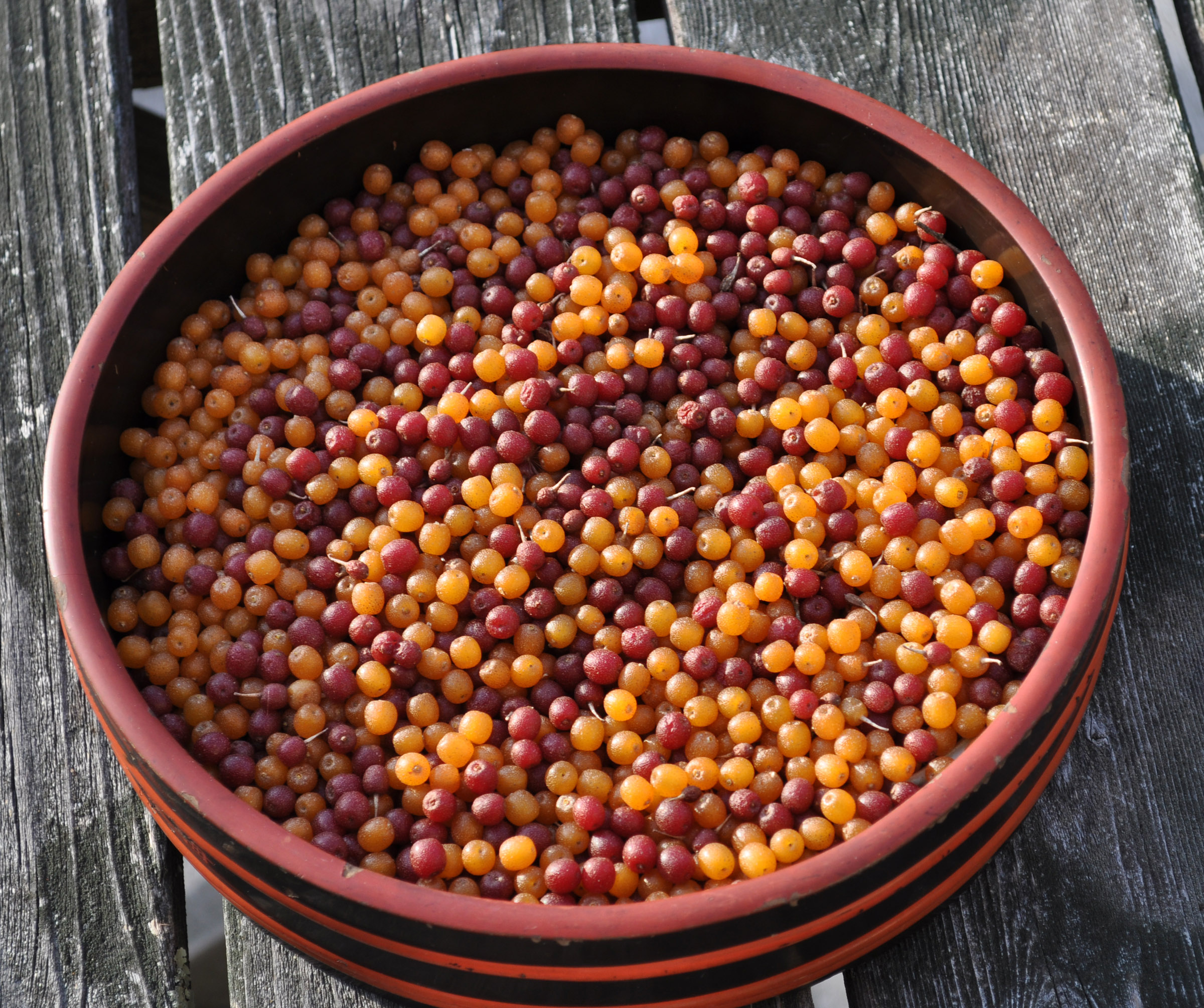
Autumn olive fruit, ready to eat

FERTILIZER GIVEAWAY

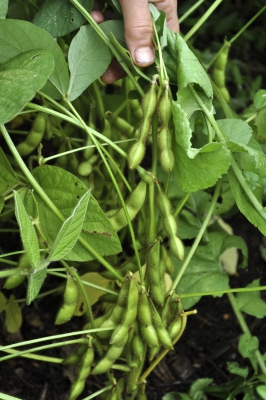
Edemame

Edemame

Most Needed Food

A laundry list of things to pick up at the local garden center or hardware store this time of year likely includes fertilizer. It’s ironic that nitrogen is the fertilizer element generally needed most, yet the air contains about eighty percent nitrogen — 35,000 tons of it over every acre. The problem is like that of someone lost at sea; most plants can’t absorb nitrogen from the air.

A fortunate partnership has evolve between certain bacteria and plants that lets plants grab onto some of that airborne goodness.

Beans, Beans, They’re Good for Your . . . Garden

Most familiar among these partnerships is that of legumes and rhizobia bacteria. Legumes include garden plants like peas, beans,

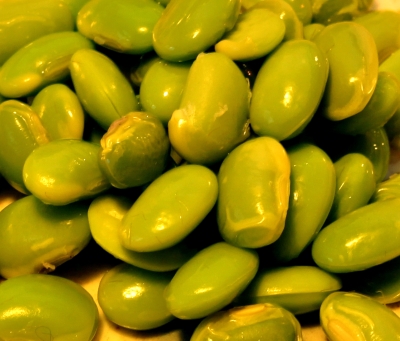
Edamame, shelled

Edamame, shelled

and lupines, in addition to field plants like clover and vetch, and trees like honeylocust, black locust, and golden chain tree. In order to use atmospheric nitrogen, legumes must be infected with special strains of bacteria.

You can make sure your peas and beans are infected with the right bacteria by buying a legume inoculant when you buy your pea and bean seeds. This black powder (the bacteria comes mixed in dry peat) is applied either by shaking it with moistened seeds before sowing, or dusting it directly over seeds in the furrow. Read more

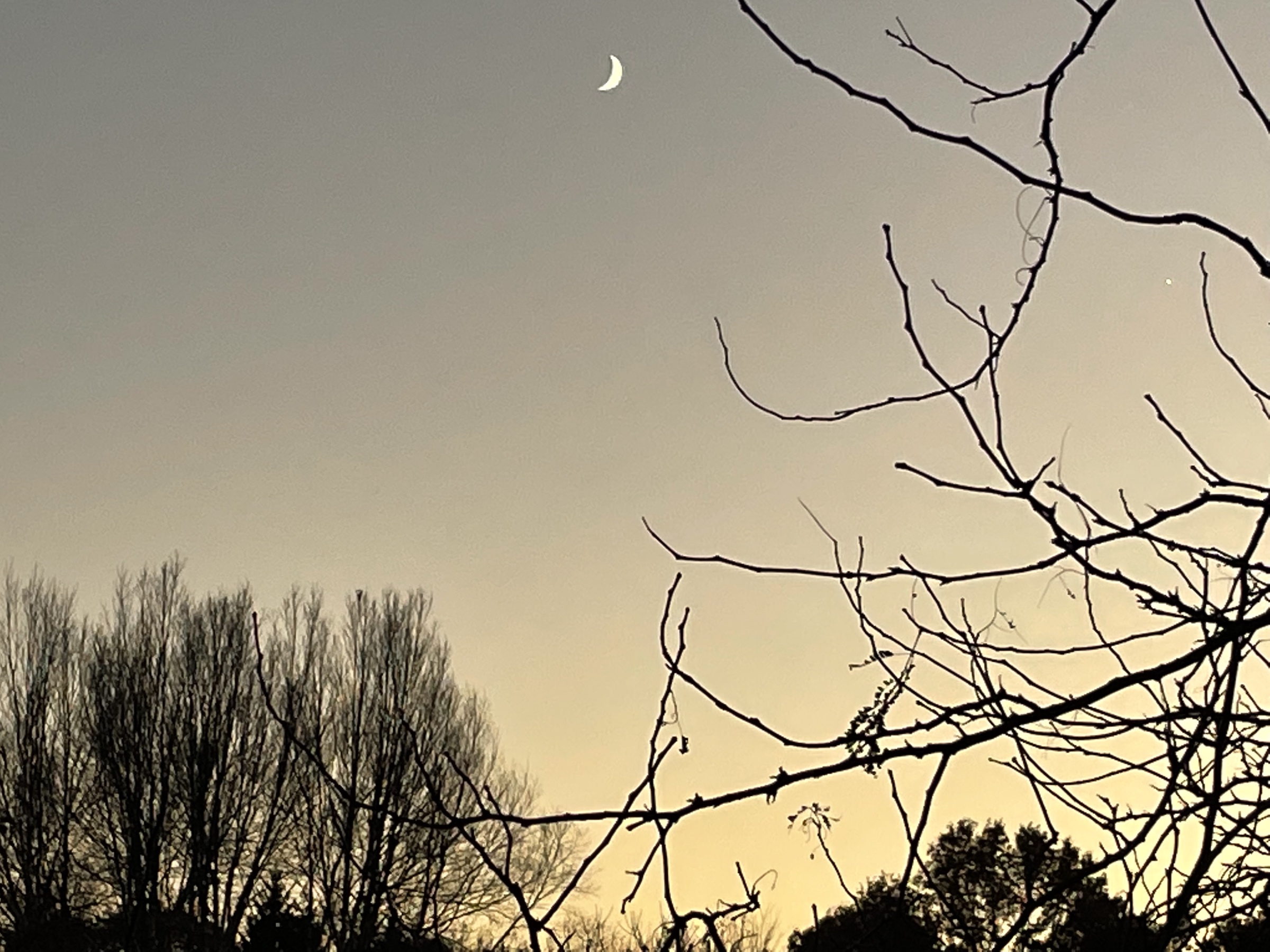
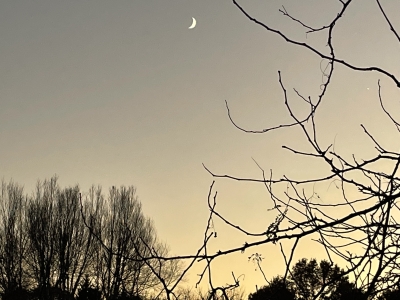
Moon light

GARDENING LUNACY

Lunar Influences

For no apparent reason, my seedlings sometimes take longer than usual to poke up through the soil. Or one day’s transplants get off to a rousing start right after planting, while another day’s transplants sulk for a while before they grow. Fickle plants, or is the problem perhaps with the moon?

Some gardeners believe that the phases of the moon dictate the best times for gardening. No one has told me that my garden will be a flop if I ignore the moon, but paying attention to it as I go about my gardening activities will “take advantage of the impetus provided by nature” (as one moon-gardener has stated). Old-time gardeners used to say, “Plant potatoes by the dark of the moon.”Moon light

The Details

For some moon-gardeners, instructions are more refined, taking into consideration the sign of the zodiac along with the phase of the moon. Planting is not the only activity covered. Read more

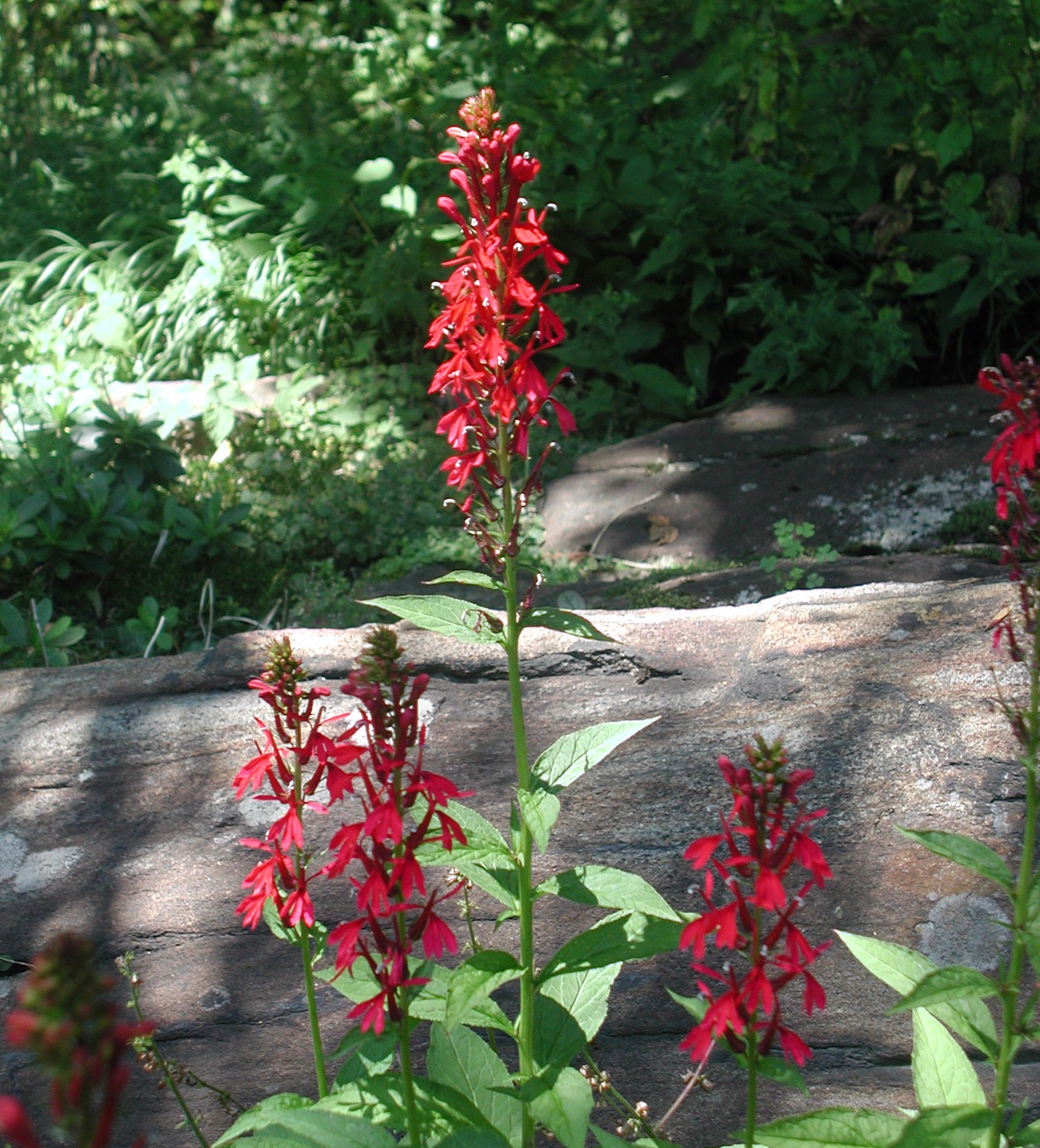
Cardinal flower

IS IT SUNNY, ENOUGH?

A Plant’s Perspective

No matter what you’re growing, and especially if you’re growing most fruits or vegetables, you need to know what “full sun” and “part shade” mean. People with shady yards often have their own definitions.

The tall trees that surrounded my father’s yard created lots of shade; he once planted a grapevine in what he called a sunny spot, which was where the leafy tree canopy spread open enough to let a ray of sunlight peek through for about an hour at 12:30. The grape vine did grow, but bore a paltry crop, and those grapes it did bear were sour.

Grapes need “full sun. “Full sun” to a plant means direct, unobstructed sunlight for at least five or six hours a day. Besides vegetable gardens and most fruit trees, many flowers also require this exposure.

Sometimes Shade is Tolerable

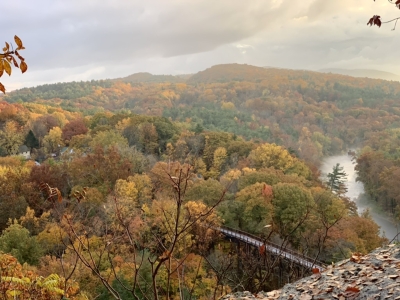
There are plants that are well adapted to, even need, shade in their youth, but require more sunlight as they age. Maples and beeches, for example, as well as other forest trees which start out as seedlings in the shade of existing forests, but eventually reach light and become the canopy itself.Forests of maples in autumn color

Pawpaw, which is a forest tree native throughout the eastern part of this country, is also in this category. That applies to seedling trees, that is, trees Read more

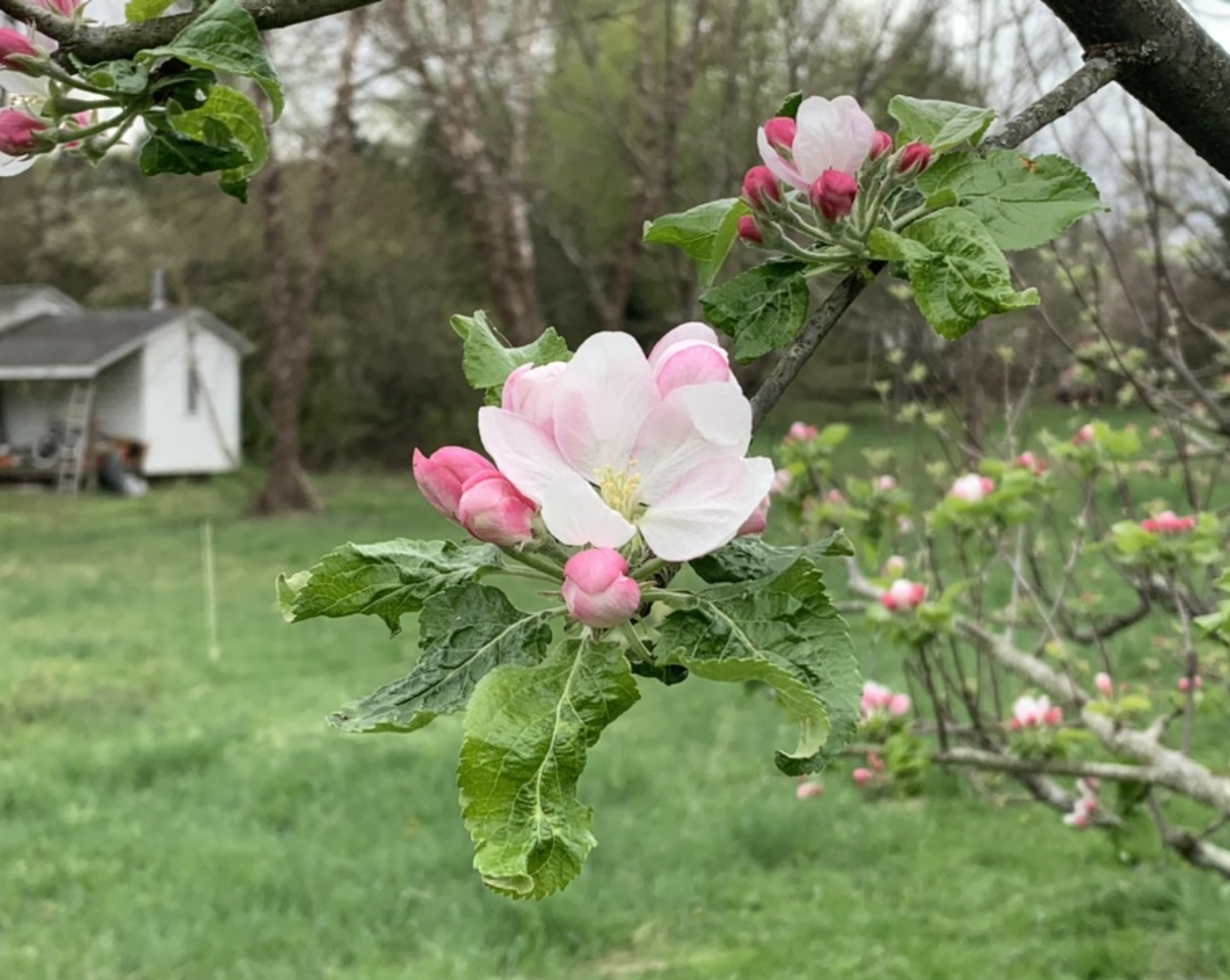
Apple blossom and spur

PRUNING AN APPLE TREE, A NECESSARY EVIL

Too Many Blossoms, Too Many Fruits

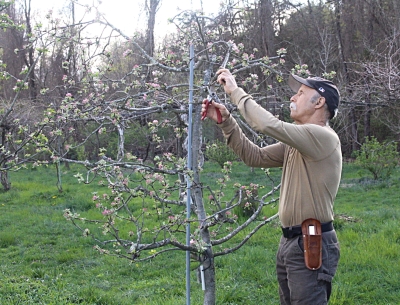
I winced with almost every snip of the pruning shears yesterday. My apple trees needed pruning and they were loaded with buds showing pink and about to pop open. Pruning was late this year, not that it would matter to the trees, but I had hoped to get it done a month or more ago, before the vegetable garden started beckoning.Me pruning my apple tree

What was making me wince was all the blossoms I was removing, blossoms that, after pollination, could swell into luscious apples. I kept reassuring myself that removing blossoms and, hence, fruit was one of the reasons to prune an apple tree.

Left to its own devices, an apple tree tends to set too many fruits, too many for best quality, that is. With the number of fruits reduced, the tree can Read more

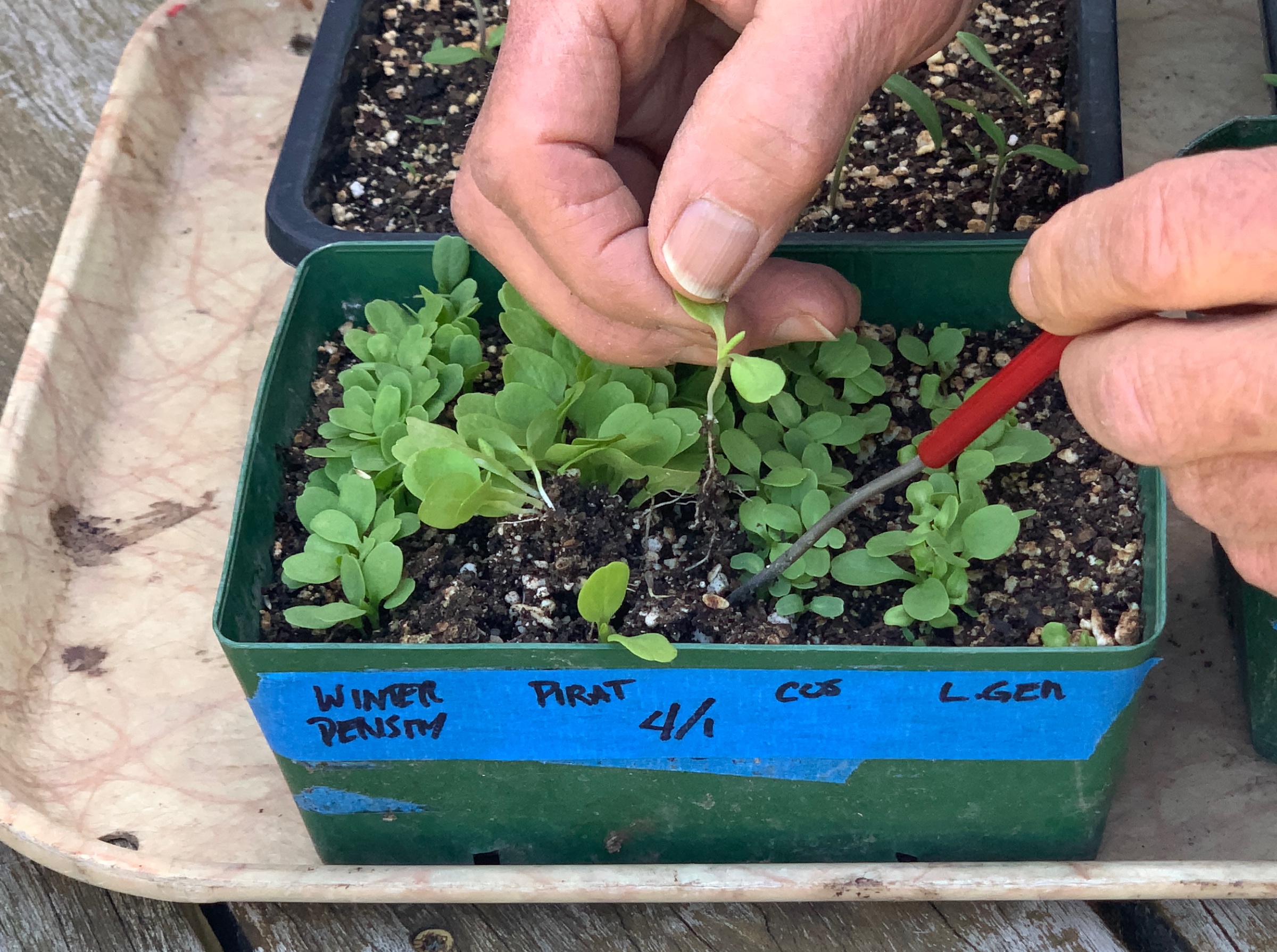
Lifting lettuce seedling

MARCH OF THE LETTUCES

A Pinch Every Now and Then

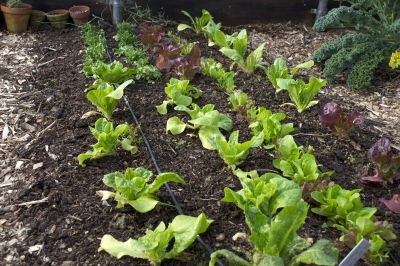
Deb is always impressed at the almost nonstop march of home grown lettuce that makes its way into our kitchen and then to salads and sandwiches each year. Not just a leaf here and there, or even the paltry amount in “side” salads served up in restaurants. No, I’m talking about day upon day lots of lettuce, often even whole heads — even here in zone 5.Four rows of lettuce in a bed

The key to this abundance is sowing seeds every couple of weeks or so. Not right out in the garden, but in seed flats; mine are four inches wide by six inches long and a couple of inches deep. After filling a flat with potting soil, onto the soil I press down a four by six inch board to which I’ve glued four dowels, each four inches long and Read more

Climbing hydrangea

PRUNING HYDRANGEA

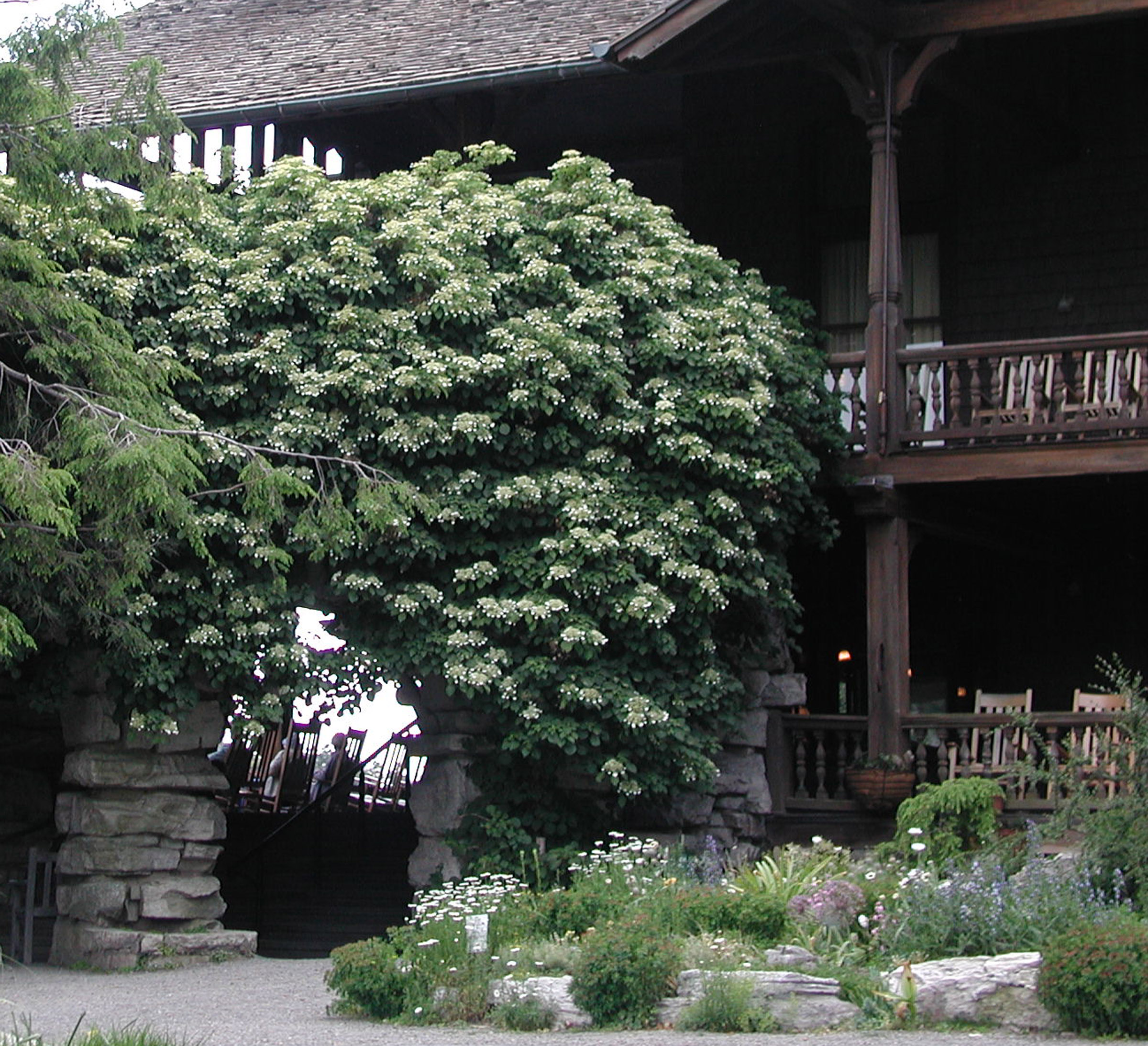
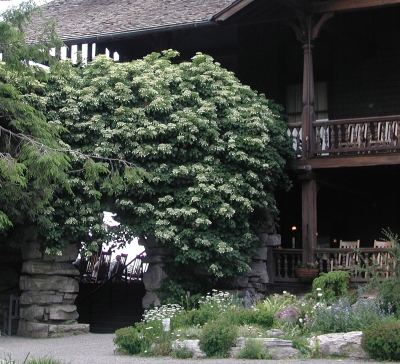
Get hip. Hydrangeas are all the rage these days. If you do have a plant or plants, you may have to prune them. But hydrangea isn’t just one kind of plants; a number of species are popular. Before you approach your hydrangea or hydrangeas, pruning shears in hand, you’ve got to know what species you are growing. They differ in their pruning needs.Climbing hydrangea

Adapting the text from my book, The Pruning Book, I’m going to give you a (figurative) hand by explaining how to identify each commonly  grown species, and then guiding your hand holding the shears.

You’re Probably Growing…

If you grow just one hydrangea, I’ll bet that it’s Bigleaf Hydrangea (Hydrangea macrophylla). This species is most recognizable for sporting electric blue or lively pink flower heads, blue when the soil pH is below 5.5 and pink when the pH is above 6.5. Read more

Juvenile oak trees

BENEFITS OF IMMATURITY

Old Skirts

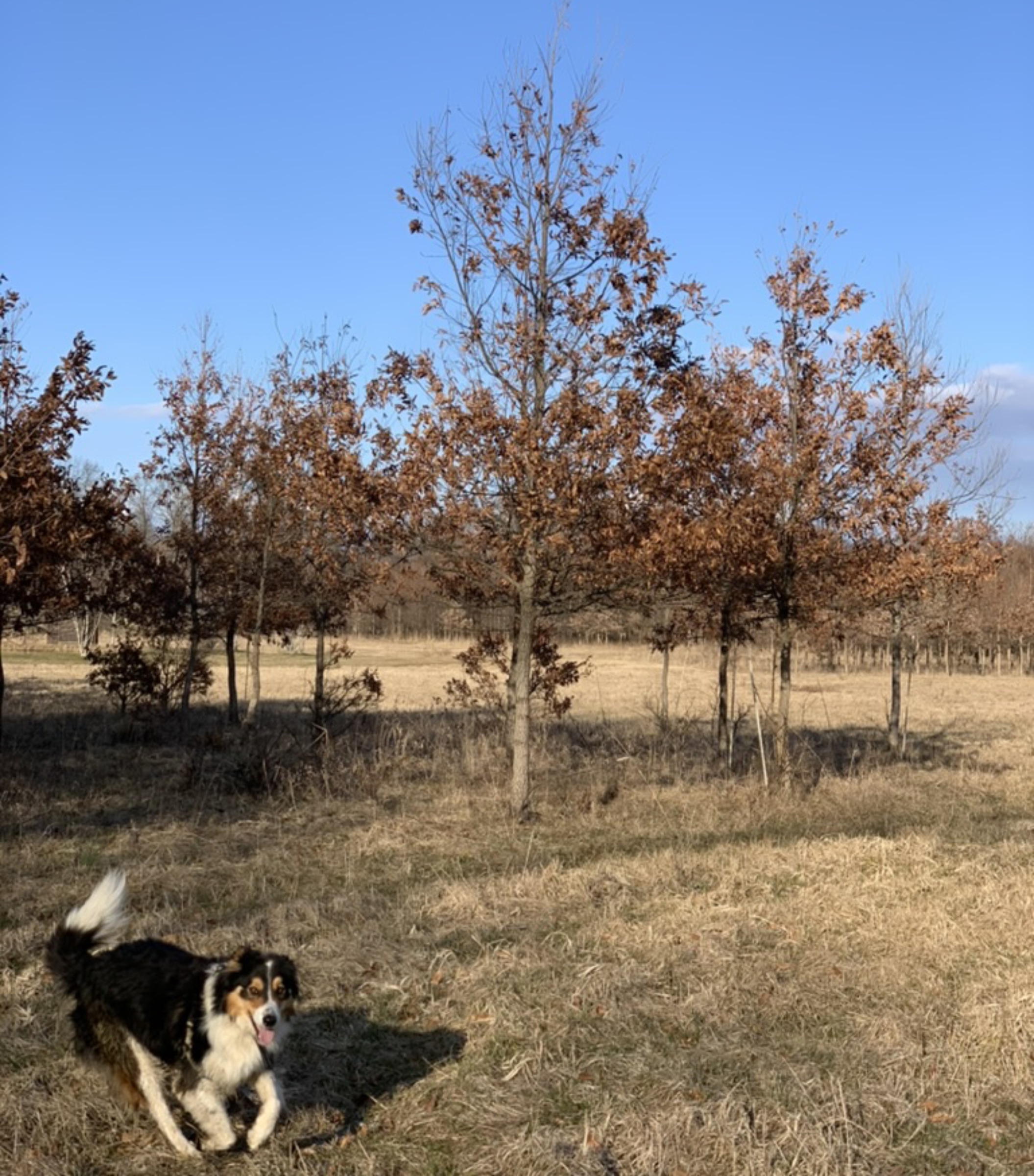
Looking at trees that usually drop their leaves in winter, you might notice that some of them — especially beeches and oaks — wear skirts of foliage all winter long. I say “skirts” because if the trees were human, the leaves would all be at skirt-level. Rather than being lush and green, these skirts are dried and brown or gray, just like their counterparts on the ground.

These trees, still clinging to their leaves, aren’t out of synch with the environment. Nor does this habit reflect the effect of climate change or nighttime lighting. The oak and beech branches cling to their leaves because the branches are “juvenile,” and reluctance to drop leaves is one sign of juvenility in plants.

Juvenile oak trees

Juvenile oak trees

(Artificial lighting and a warming climate have been shown, though, to delay leaf drop in autumn and advance the time when leaves unfold in spring, just how much depending on the tree species and the duration and the color of the light.)

Changes with Maturity

Juvenility in plants is akin to prepuberty in humans: during this period plants grow but are incapable of sexual reproduction, that is, flowering, then setting seed. Read more

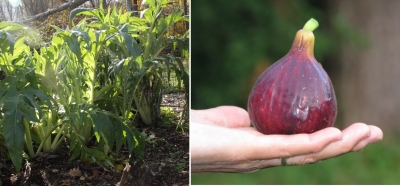
Cardoon & Fig

LOOKING BACKWARD, LOOKING FORWARD

Here’s a backward story and a forward story.

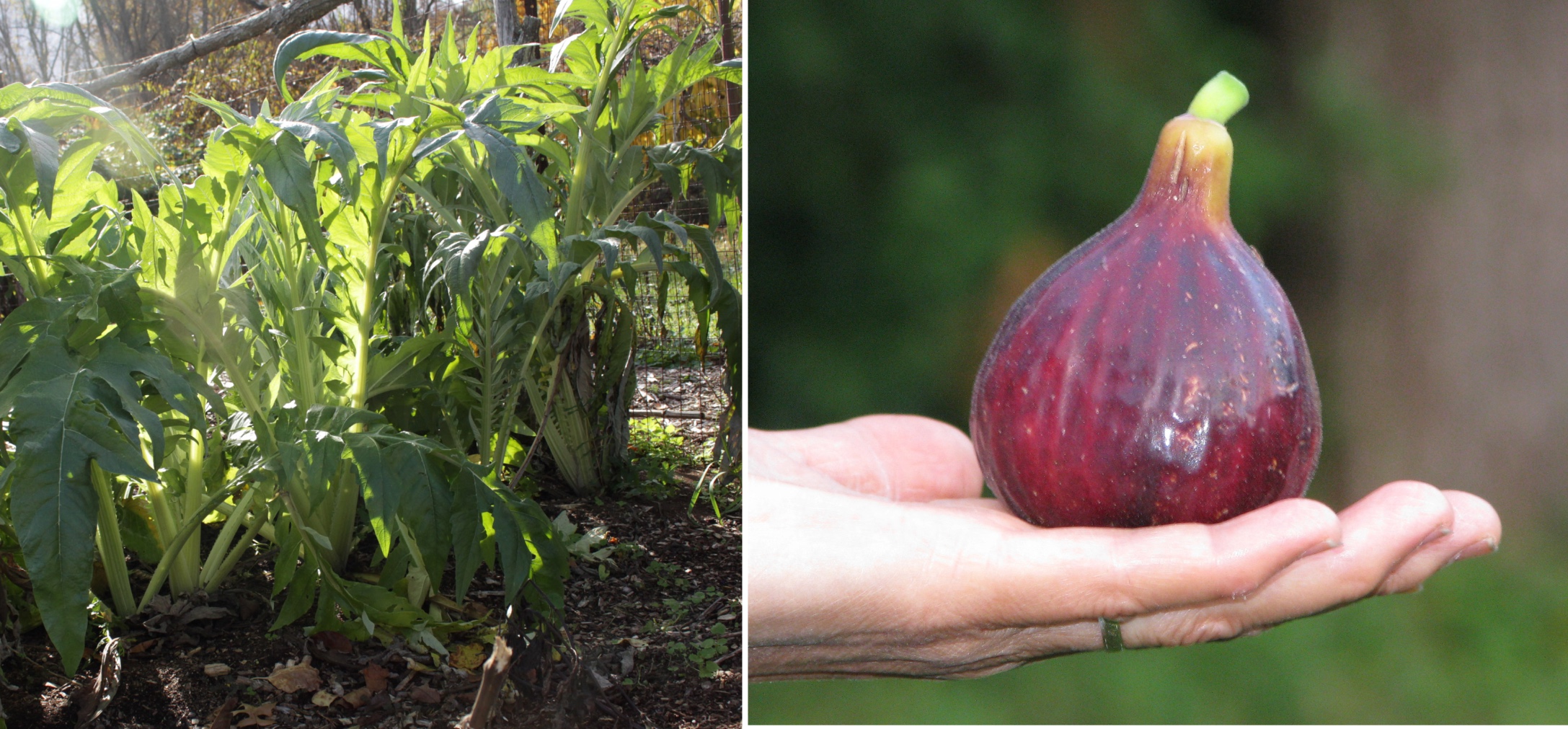
About plants, of course. And the plants are linked in that both of them are native to the Mediterranean region. But for centuries, both plants have been grown world-wide wherever winters are mild. And, with some special attention, by enthusiast (such as me), in gardens where winters are frigid.

Perhaps you’ve already guessed the two plants. If not, they are cardoon and fig. Let’s start with the backward story, which is the one about cardoon.

Cardoon & Fig

Cardoon & Fig

A Florific Season in the Offing (I Know It’s not a Word)

The end of the cardoon story begins with my memory of last summer’s very bold plant whose whorl of glaucous, spiny leaves rose three feet or more above ground level. Read more

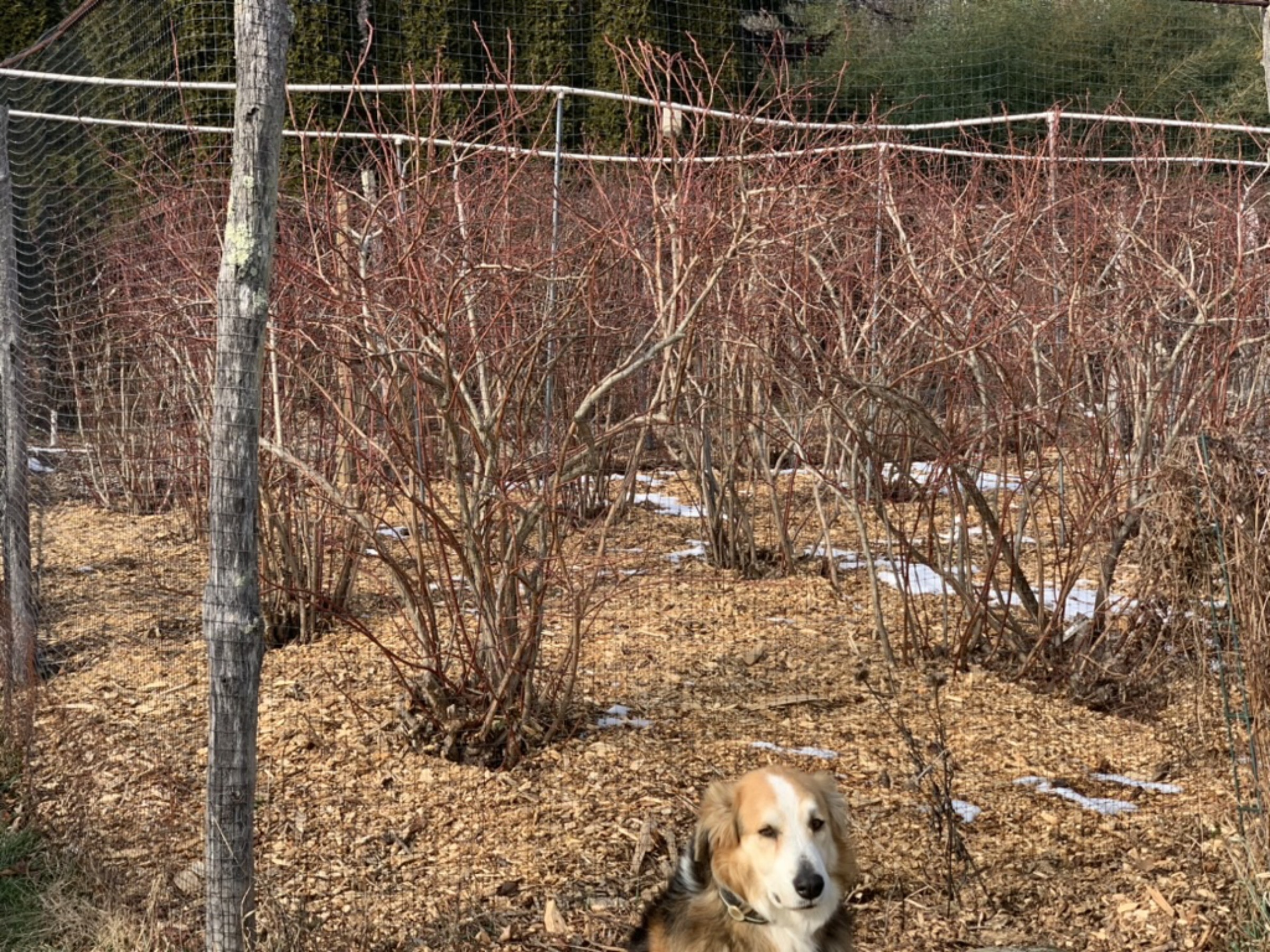
My "fertilized" blueberries

YOU NEED A PITCHFORK IN YOUR QUIVER

The Choice is Yours

Plants occasionally need fertilizer and when they do, you can choose between using either an organic fertilizer or a synthetic (aka chemical) fertilizer. Organic fertilizers are derived from natural sources such as ground rocks, animal byproducts and manures, and plants or parts of plants. Synthetic fertilizers, in contrast, are factory made.

Composted garden beds

“Fertilized” beds in autumn

Most of the nutrition plants get from the ground is from nutrient ions (an atom or a group of atoms with an electric charge). For instance, calcium enters the root as Ca++; the two pluses are the result of the once neutral calcium atom losing two electrons. Whether a fertilizer is organic or synthetic, the form the plant eventually sees as food is an ion. People sometimes use this as a argument that it doesn’t matter to the plant whether its food source is organic or synthetic. But . . .  Read more