Cover crops and brussels sprouts

NO NEED FOR A MELANCHOLY EXIT

The Valuable Dead Stuff

Dead leaves on the ground, dead stems on trees and shrubs, dead plants where flowers and vegetables once strutted their stuff — how forlorn the yard can look this time of year. The urge is to tidy things up by blowing or raking leaves out of sight, pruning away unwanted branches, and ripping dead plants out of the ground.

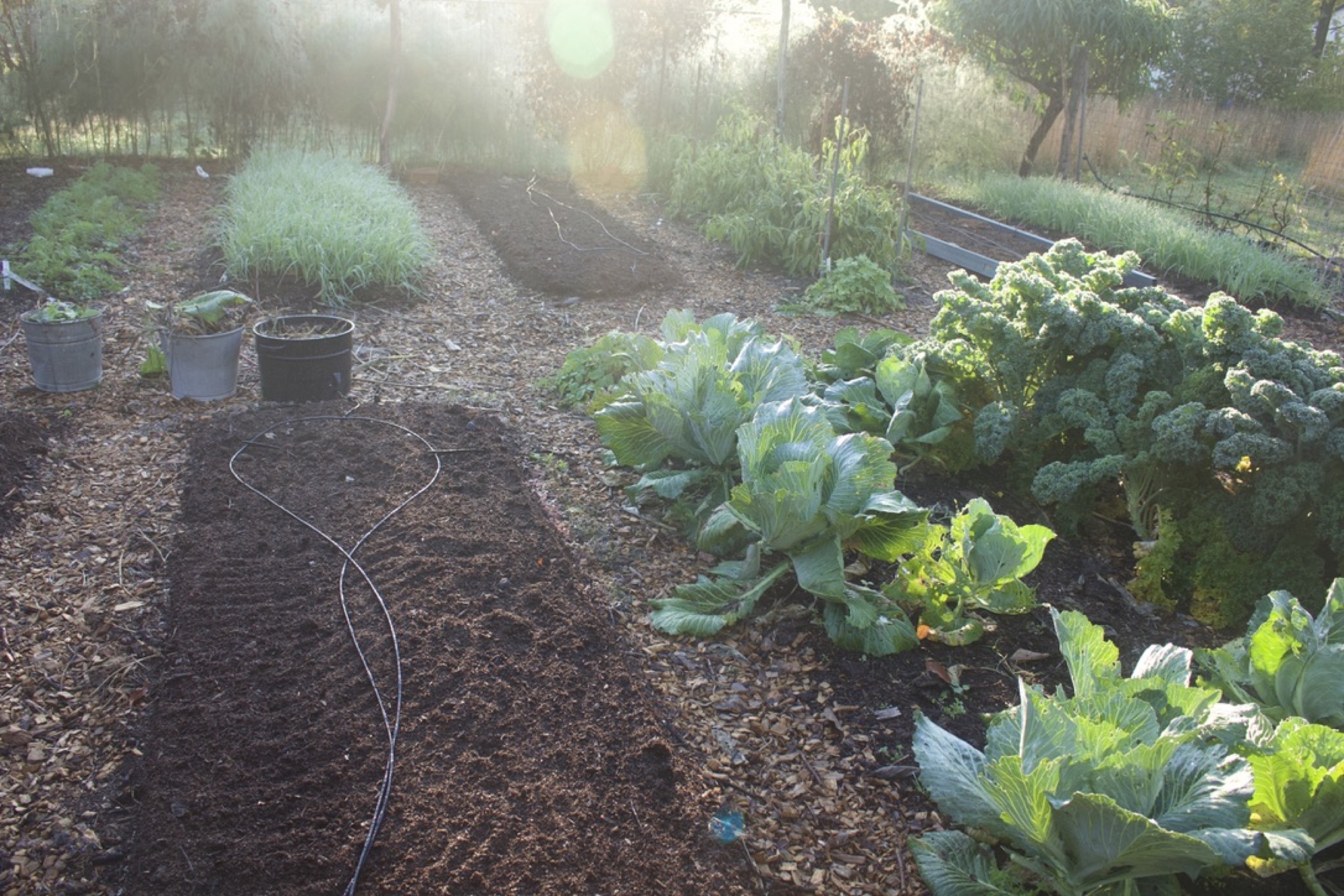
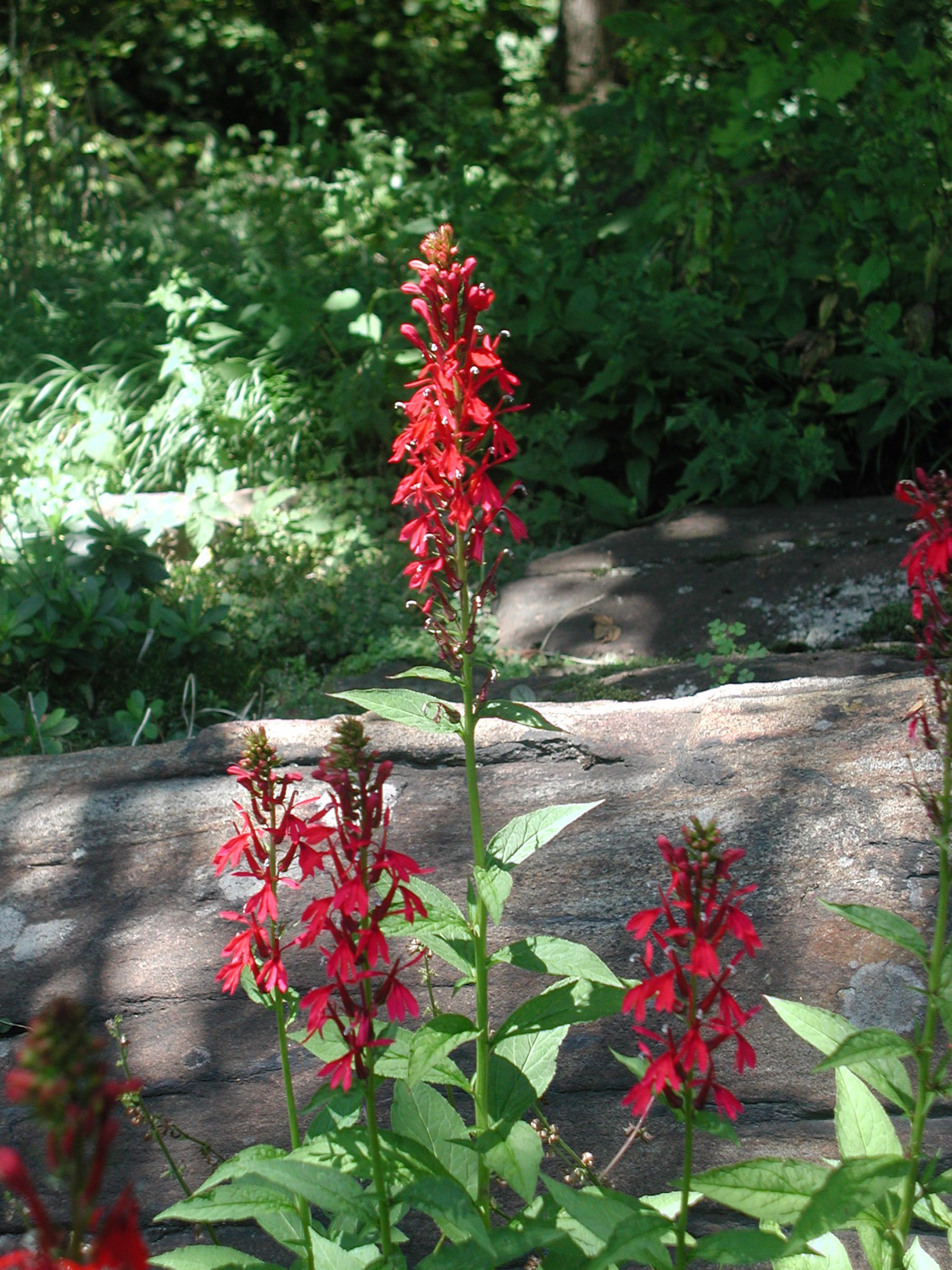
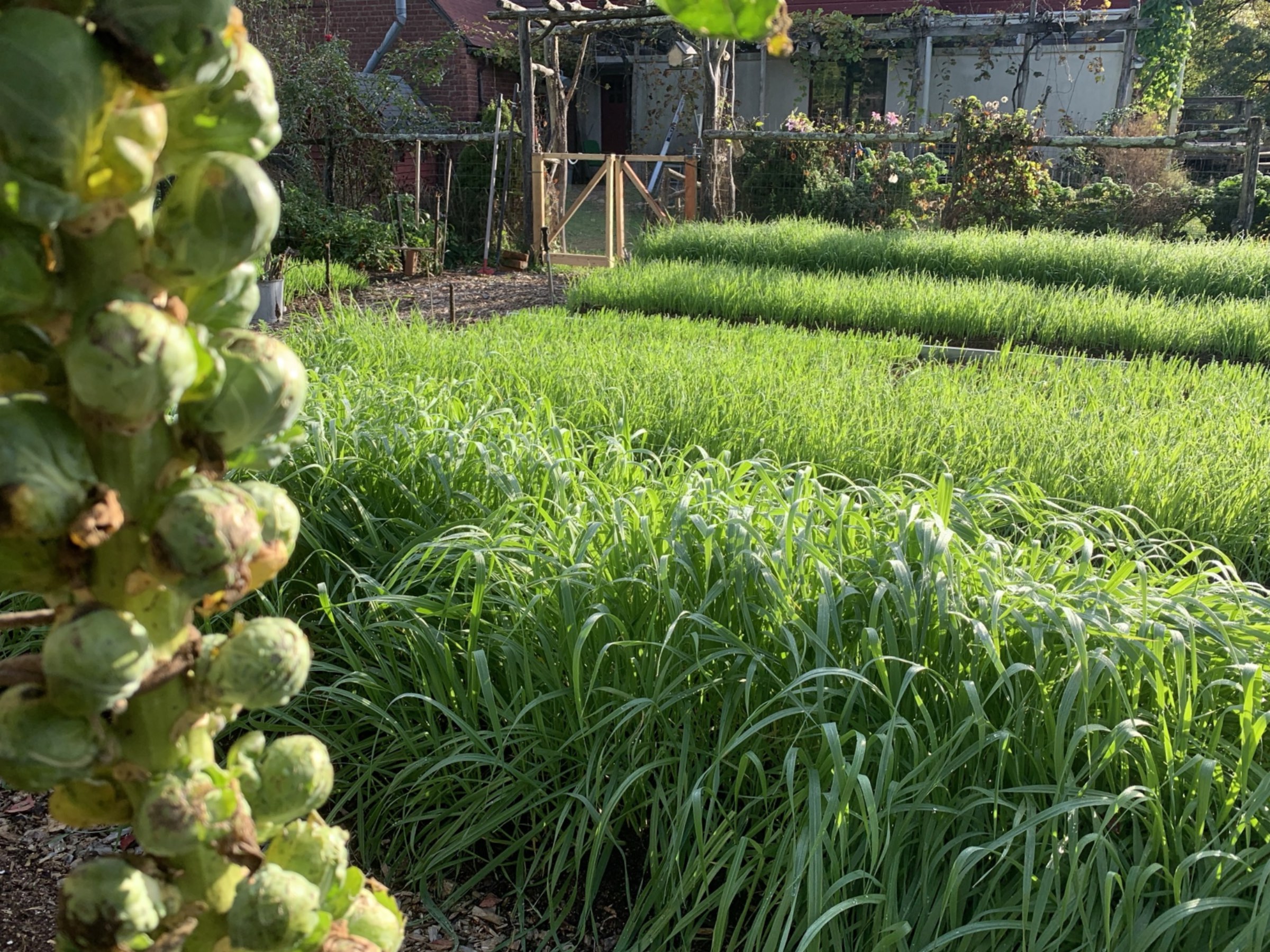
Cover crops and brussels sprouts

Cover crops and brussels sprouts

Garden cleanup has its virtues, but can do more harm than good if taken to excess. For instance, many gardeners like to clear Read more
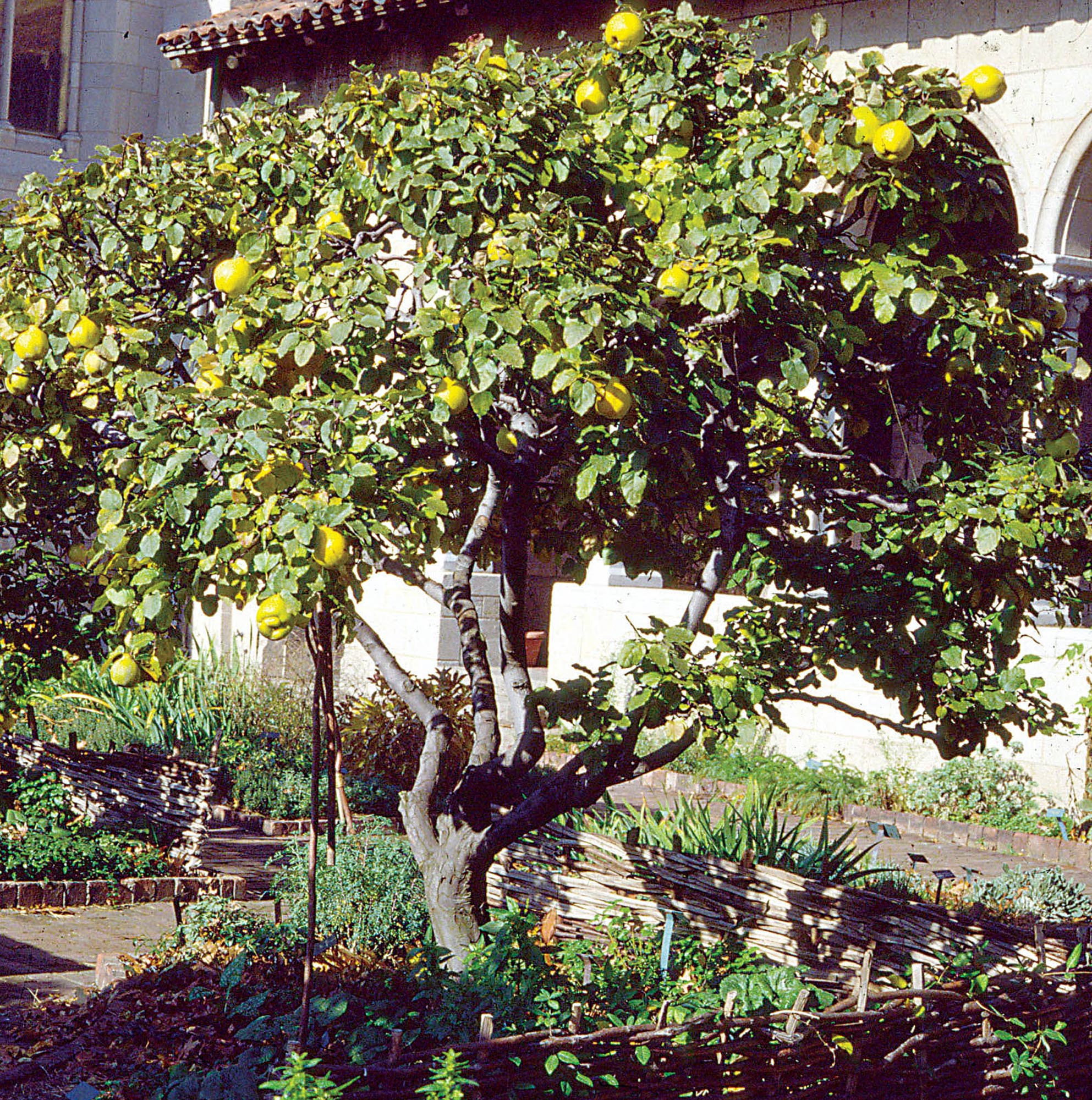
Fruit of true quince

THREE BEAUTIFUL QUINCES

Two Hardly Edible Quinces

A lot people wonder about eating those orbs hanging from quince bushes. After all, everyone has heard of eating quinces, even if few people — these days, at least — have actually tried them.

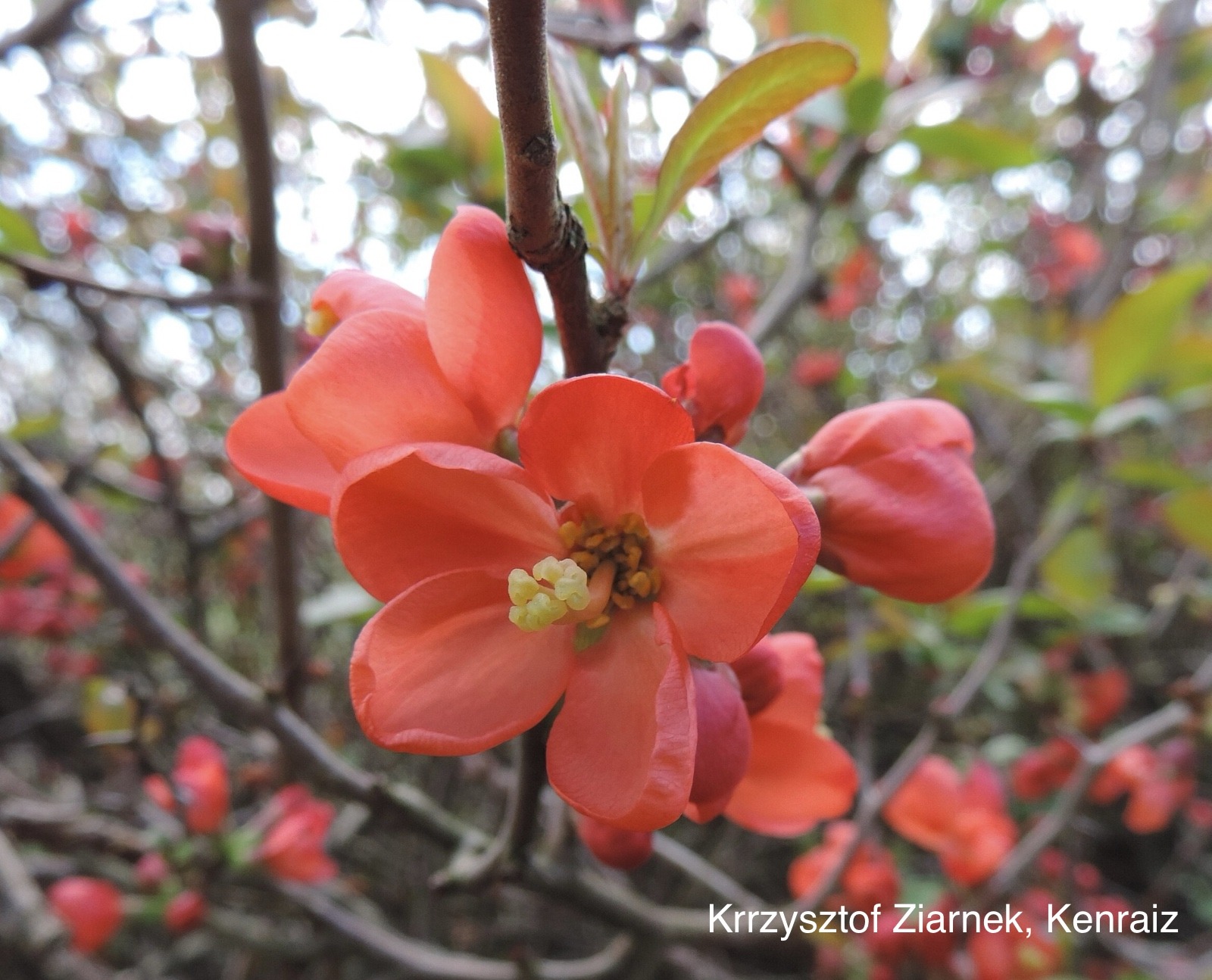
In most cases, the answer to the question about whether you can eat the fruit depends on how hungry you are. The reason is because most of the “quinces” that you see are what are called “flowering quinces” (Chaenomeles spp.), grown mostly as ornamentals. Flowering quince flower Read more

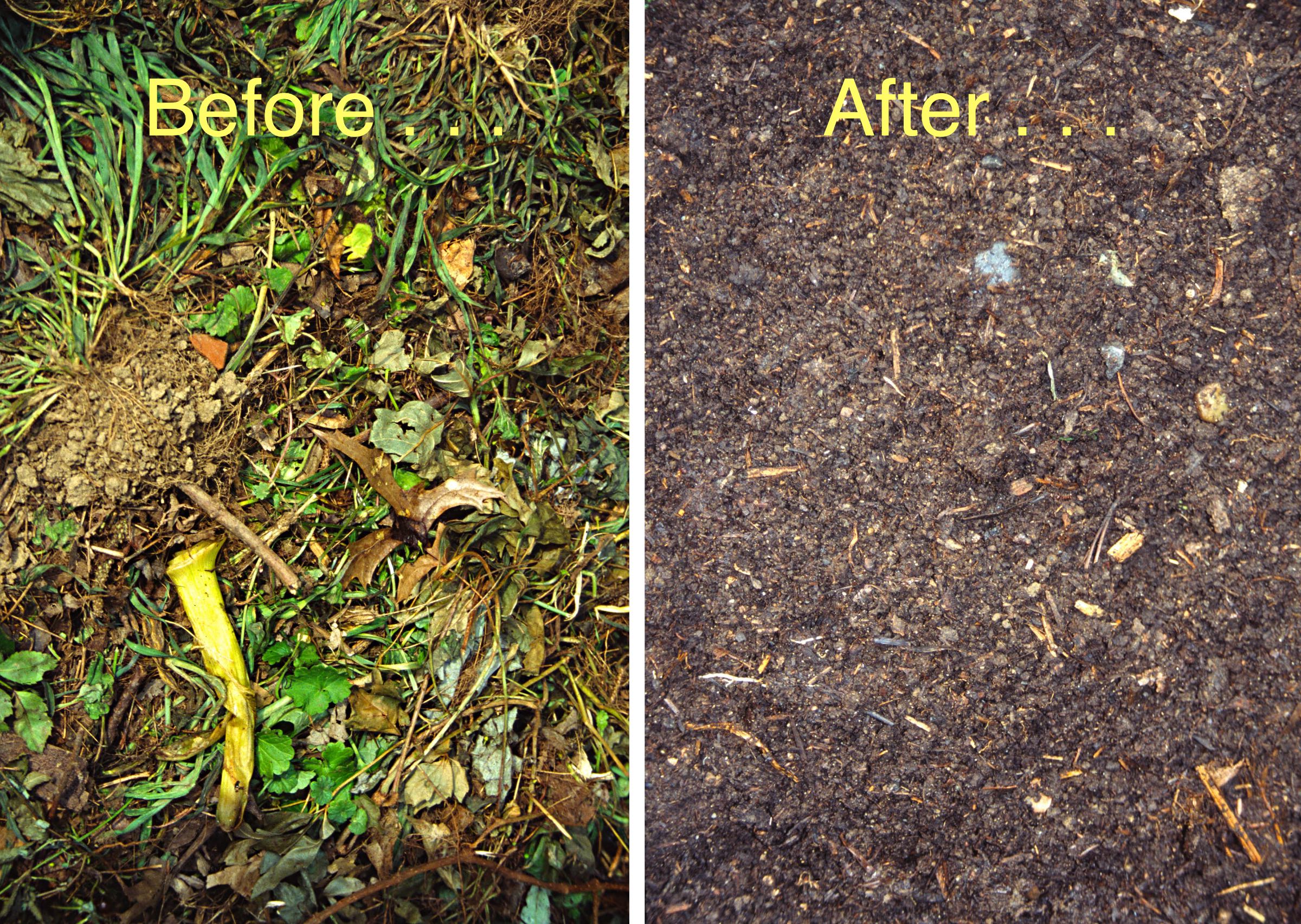
Compost, before and after

FEAR NOT, COMPOST MAKER

Too Many “Don’ts”

Pity the beginning gardener who dares to read about how to make compost. (Please dare to read on, in this case, even if you are a beginner.)

Composted garden beds

Compost, good stuff for your garden

What novice could not be intimidated by the complicated instructions often given, as well as alleged. Or what about the need for exotic or hard-to-find ingredients. When I was a novice, I read too many British gardening books and almost tossed in my pitchfork and gloves in despair trying to find soil for my compost pile. Yes, soil! 

True, soil is almost everywhere. But Read more

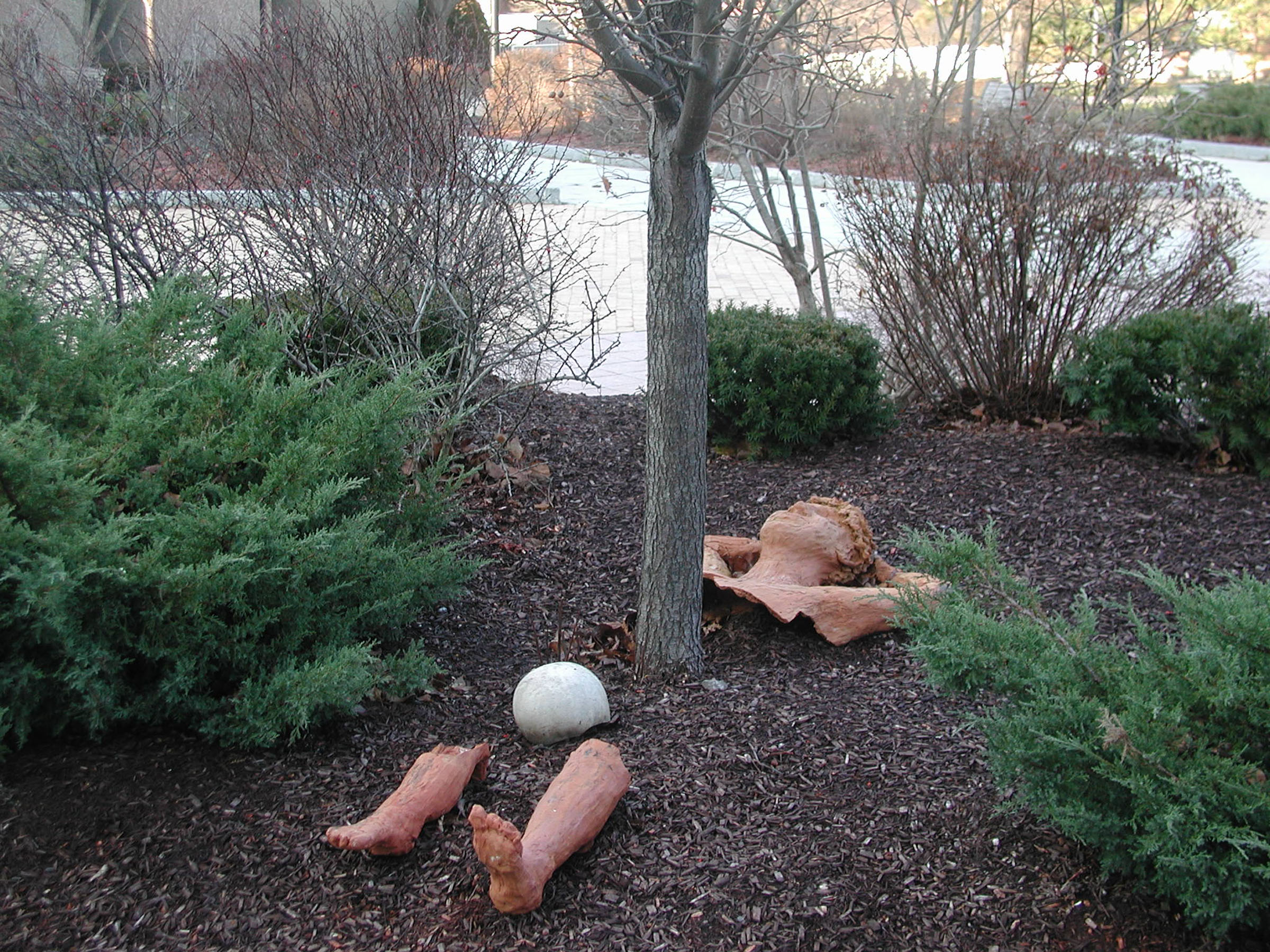
Sculpture of human reclining under tree and half underground

WHY NOT PLANT

I Don’t Go With My Gut

No doubt about it: Fall planting of trees and shrubs goes against my grain. Fall is when I feel like closing down the garden, gathering the harvest, and snuggling plants in for the cold months ahead. Spring is when the urge to plant becomes irresistible, when I want to contribute to the symphony of colors and scents of that season.

Sculpture of human reclining under tree and half underground

More mulch needed

In fact, though, fall is in many ways the better time for planting from the point of view of a tree or a shrub. Many nurseries dig bare root plants in the fall Read more

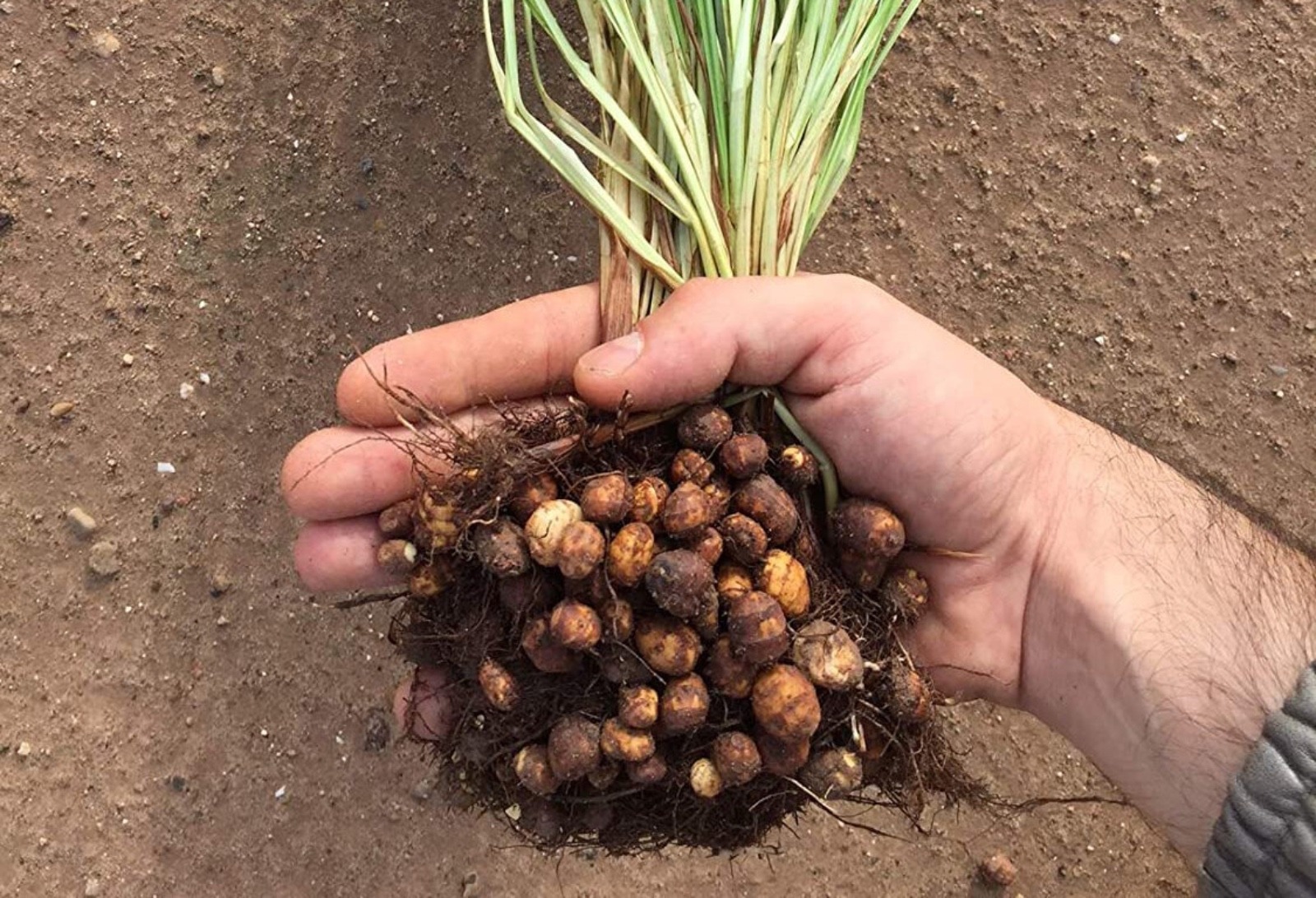
Harvested chufa, clump with leaves

TIGER NUTS

Back to Our Roots

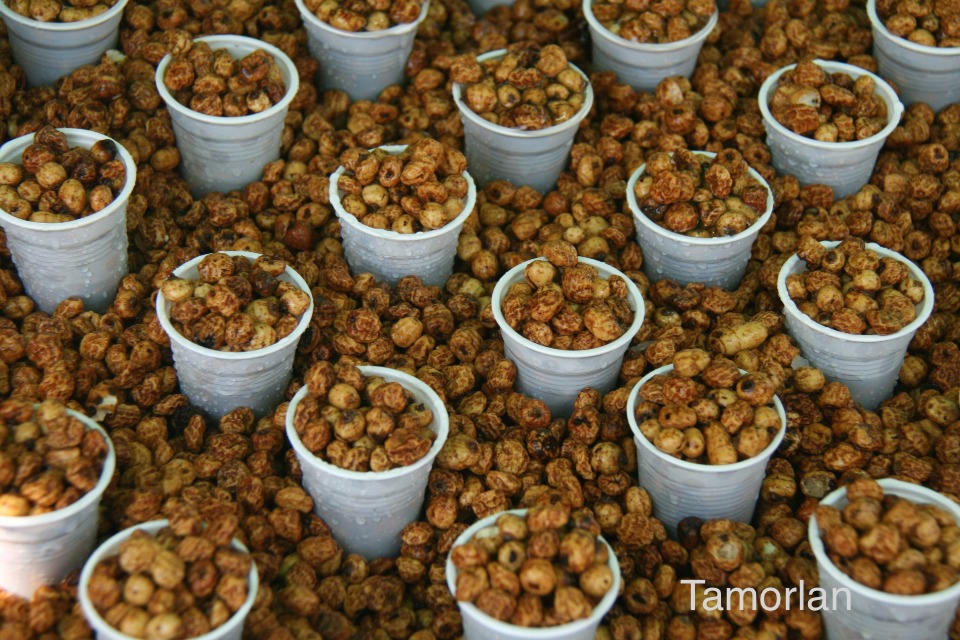
Every few years I grow a plant both for its flavor and because it takes me back to my — to our — roots. Digging any edible root or tubers is always something of a primal experience. This plant I occasionally grow elicits an especially strong bond to distant ancestors. The plant is chufa (Cyperus esculentus). You see, chufa tubers are not fat and succulent, the result of centuries of human selection and breeding. What I grub out of the ground are hard, egg-shaped bits of nourishment, each bit little larger than pea gravel.Chufa for sale

As befits any primitive crop, chufa is extremely easy to grow. Just drop tubers into the Read more

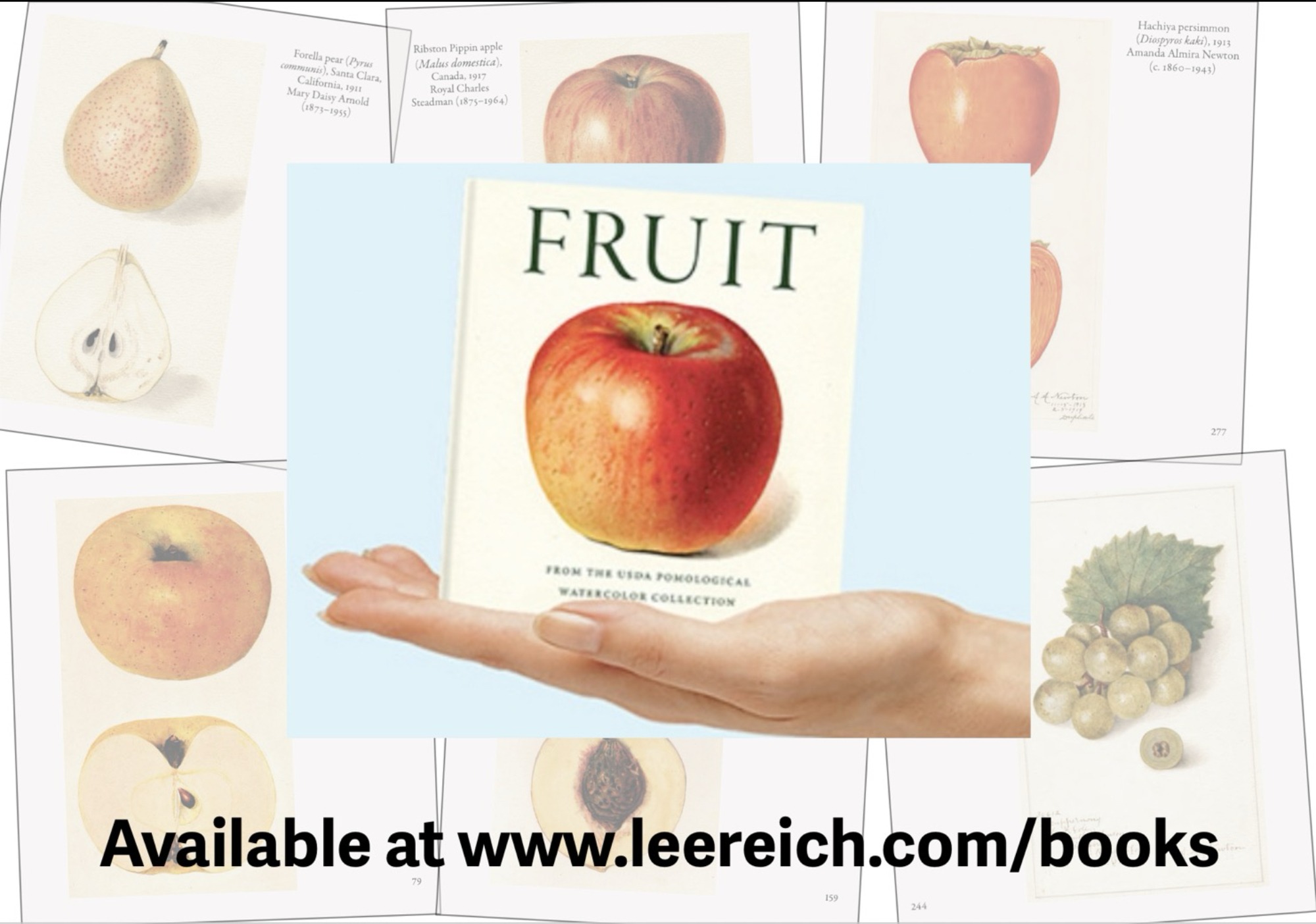
My "tiny folio" book of USDA watercolor illustrations painted between 1887 and 1942

IT’S RED BUT IS IT “DELICIOUS?”

Tasty Origins

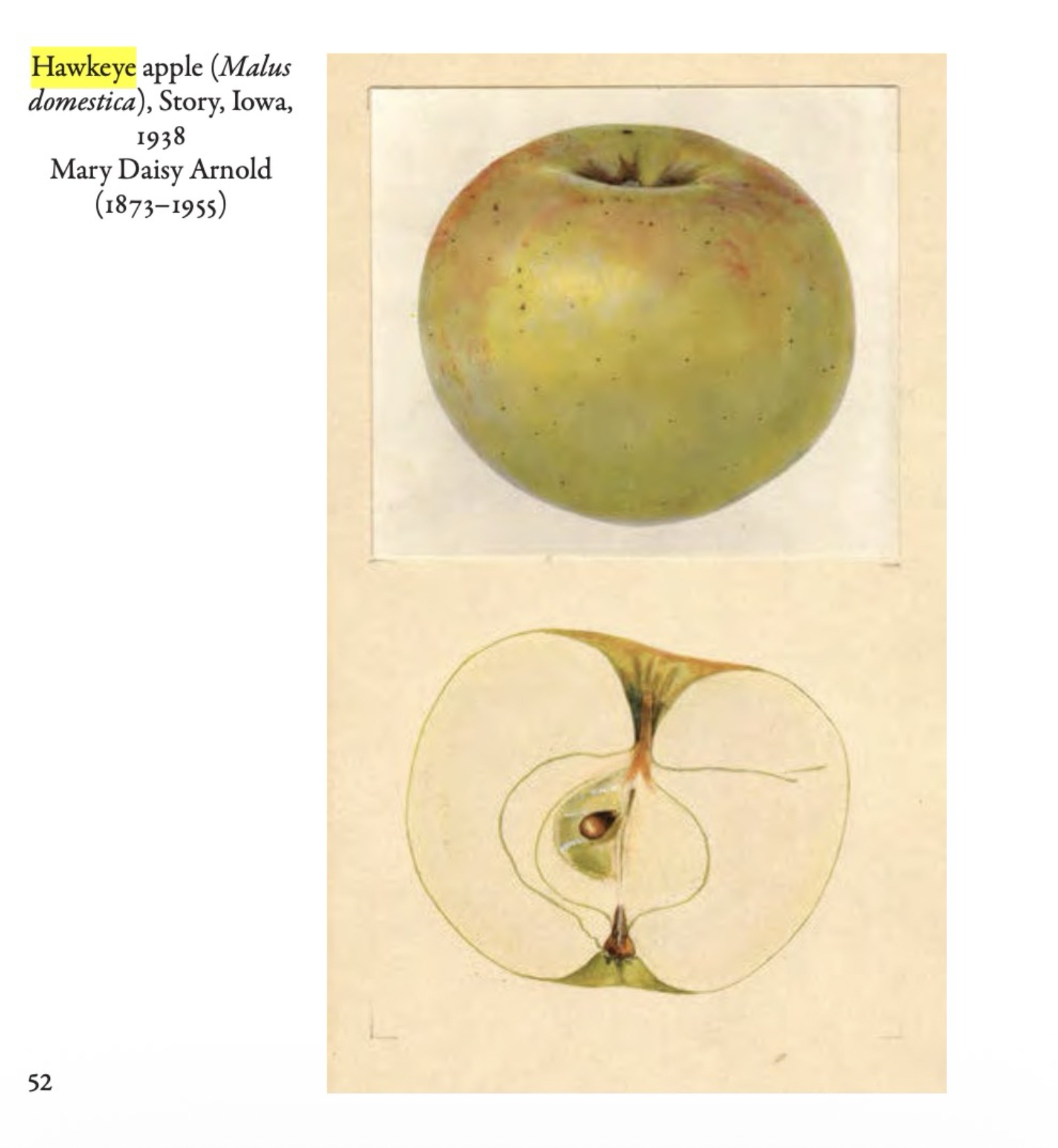
As I was about to chomp down on the apple I had just plucked off the tree, I also was about to sink my teeth into over one-hundred and twenty-five years of history. You see this was no ordinary apple, but a Red Delicious apple. Nothing special about Red Delicious, you think — yes, it has been among the leading commercial apple varieties in the world, surpassed about twenty-five years ago by Gala. Ah, but the particular Red Delicious apple in my hand was the original Red Delicious, THE Red Delicious.

Hawkeye, the original Red Delicious, page my book "Fruit: From the USDA Pomological Watercolor Collection"

Hawkeye, the original Red Delicious; page from my book “Fruit: From the USDA Pomological Watercolor Collection

Let’s backtrack a minute to the origin of this particular apple which, incidentally, you’re not apt to be able to reach for on a grocer’s shelf anywhere these days. The year was 1872. The place was Peru — Peru, Iowa.

Here we are at the farm of Jesse Hiatt, and here’s an apple tree, one that sprouted from some seed dropped here by chance. Read more

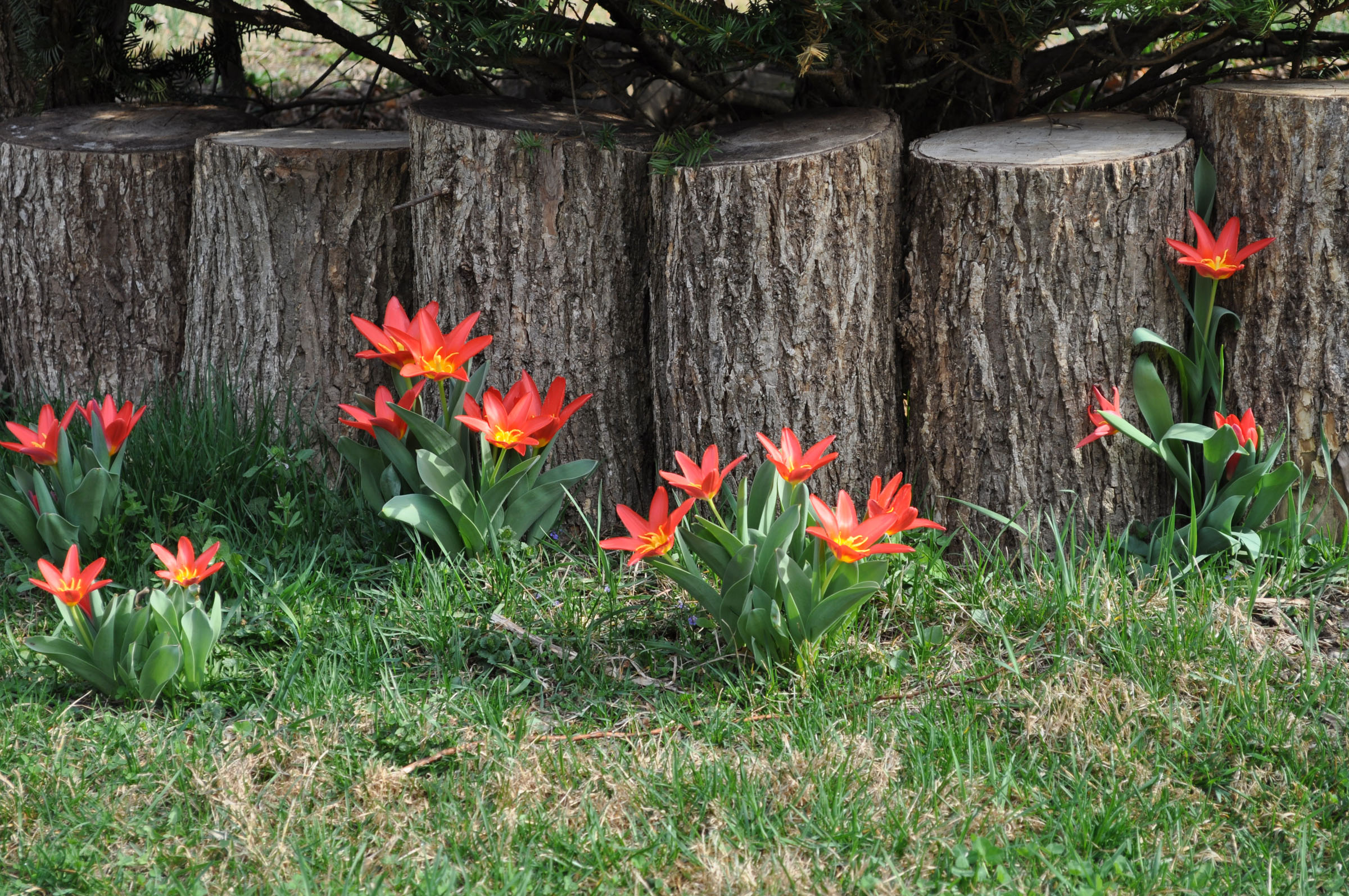
Tulipa kaufmanniana, Waterlily tulip

(MOST) TULIPS ARE (NOT) FOREVER

Improve Upon their Native Habitat

Tulips are perennial, but usually not strongly so. Disappointment comes from a spring show that over the years declines to fewer blooms, even to nothing more than tufts of leaves, or less. Only good growing conditions and careful choice of varieties can make these spring bulbs truly perennial bloomers.

Oddly enough, those good growing conditions exist in the Netherlands. There, well-drained, sandy soils and a maritime climate’s cool weather keeps leaves green longer into the season to fuel the bulbs for the following years bloom and early growth. Good fertility, water, as needed, and mild winters also help.

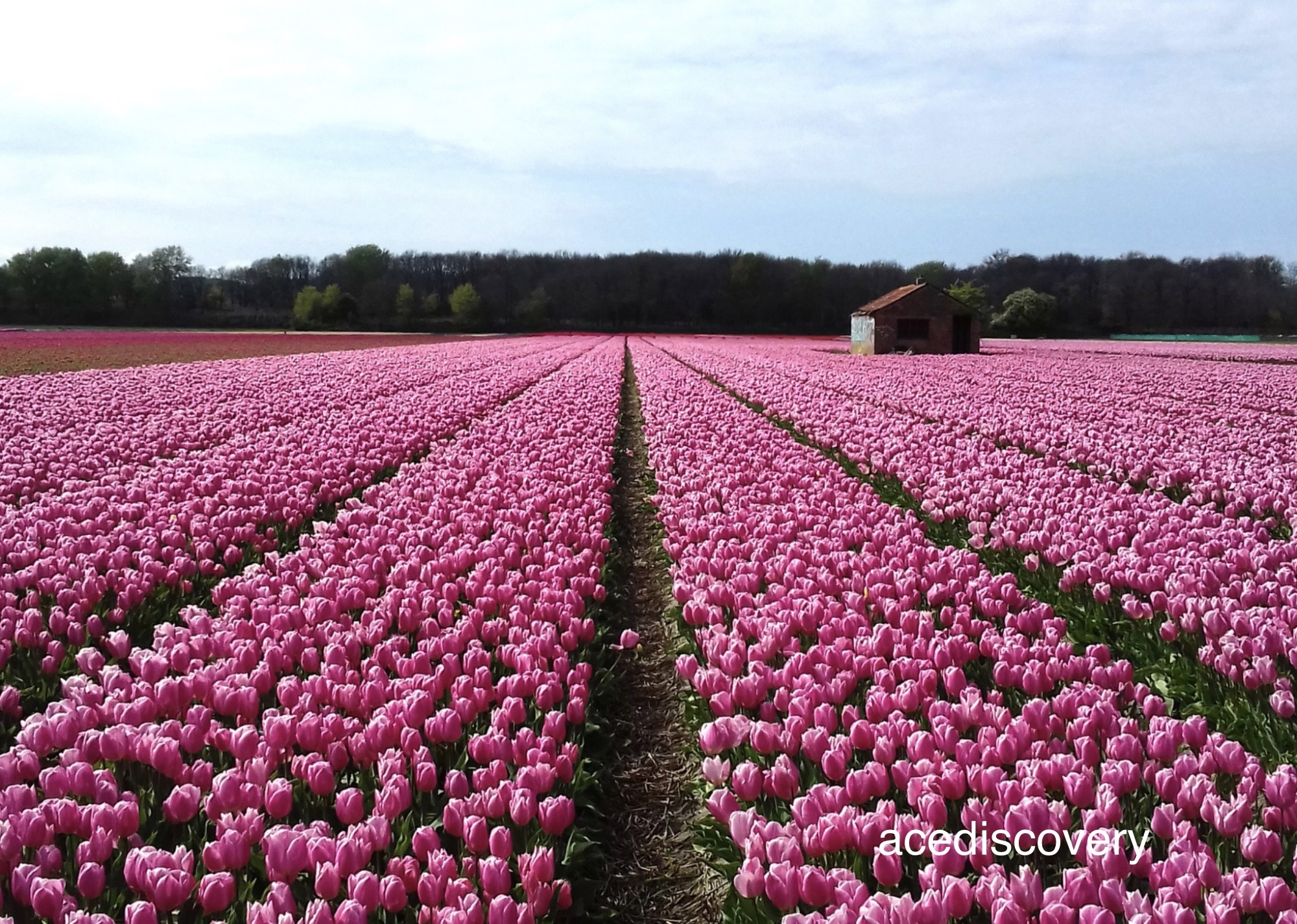
Tulips fields in Bollenstreek area of the Netherlands

Tulips fields in Bollenstreek area of the Netherlands

Why “Oddly enough?” Because tulips are native to the rugged growing conditions of Read more

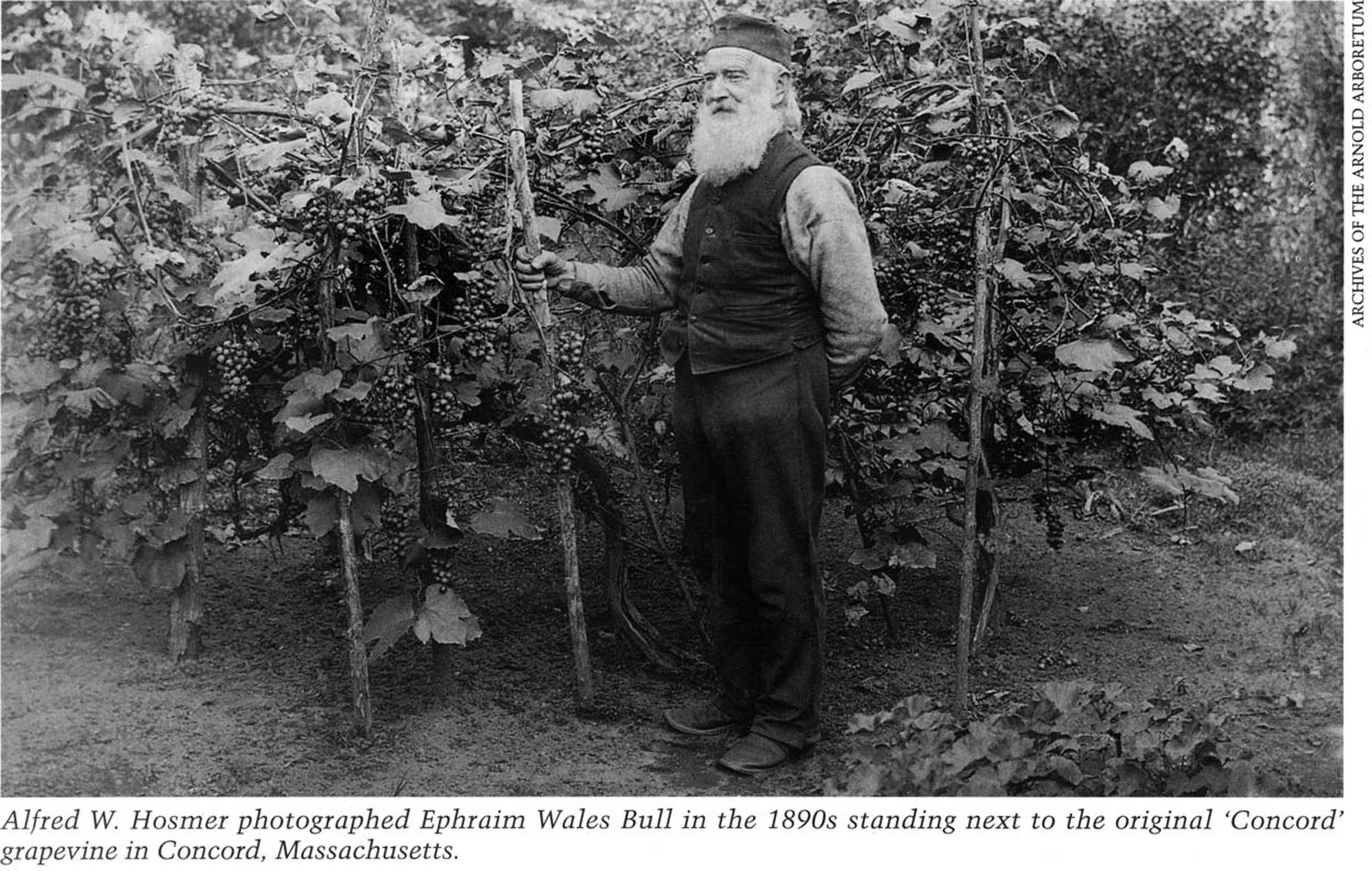
Ephraim Bull

THANK YOU EPHRAIM

Foxy Grapes

Early each fall I come upon a most delicious fragrance, reminiscent of jasmine, at a certain point as I walk along the rail trail near my home. No flower claims responsibility for that aroma. Wild grapes, dangling in ripe clusters from low hanging vines, are the source. That scent begs a taste, whose quality you quickly discover pales by comparison with that of the perfume. Wild grapes are downright sour.

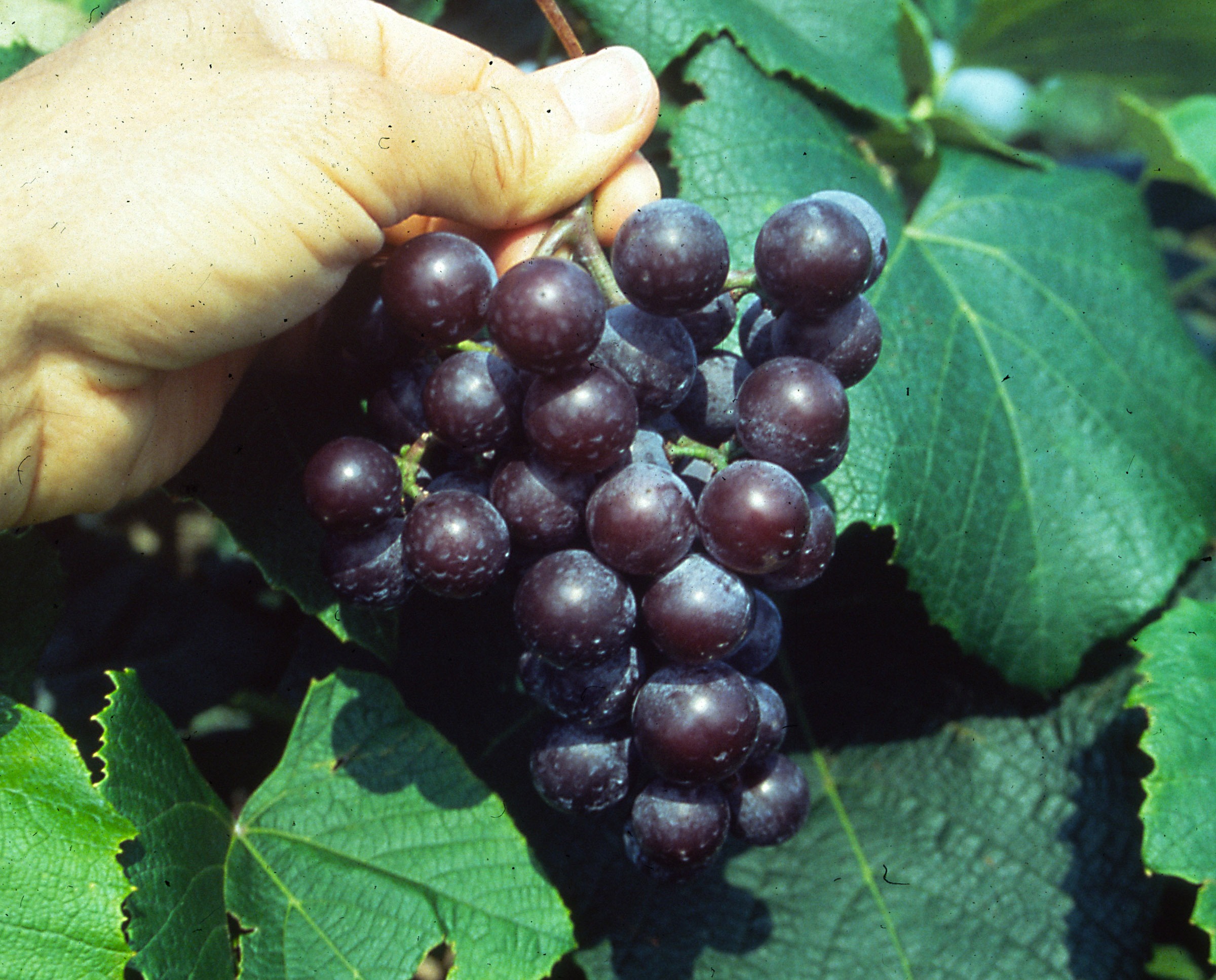
Now go to your grocer’s shelf and take a deep whiff of the grapes there. Hardly a hint of aroma — unless the grapes happen to be the variety Concord, a commercial grape variety that captures the essence of our wild grapes. And Concord’s berries are indeed edible, being much larger and sweeter that their wild counterparts.Concord grape bunch

Read more

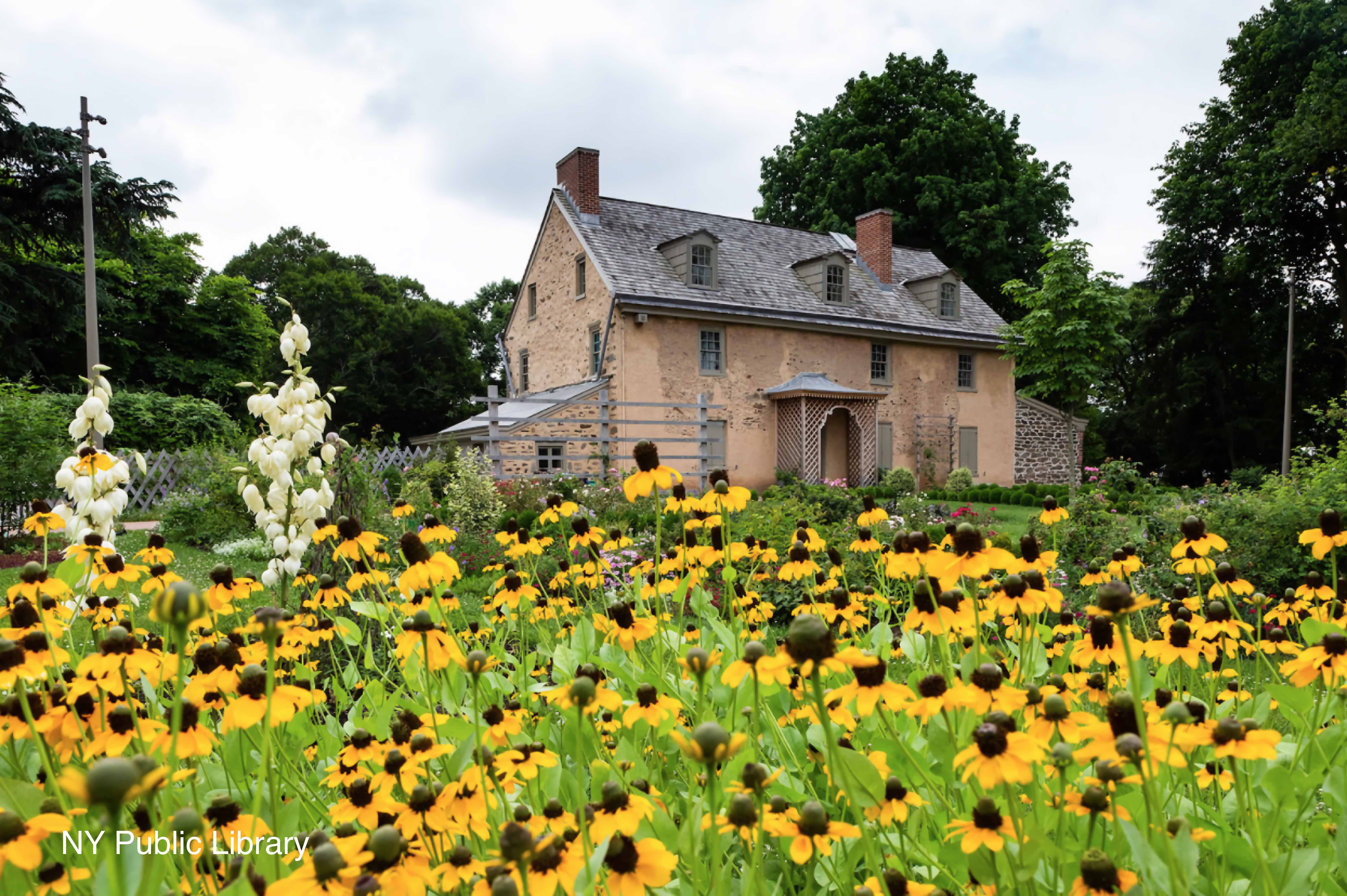
Daisy field and Bartram's house

AMERICA’S FIRST BOTANIST

Come on Over

Come on over to John’s garden, one of the best around. John Bartram’s, that is. In case you don’t know him — rather, of him — he was America’s first botanist. Carl Linnaeus, who in the 18th century devised our whole system for classifying plants, called Bartram “the greatest natural botanist in the world.”

John’s garden is a convenient stop during any visit to Philadelphia. You’re going to visit the Liberty Bell, aren’t you? The Bartram garden is only minutes away, just south of Center City.Daisy field and Bartram's house

When John bought this tract along the Schuylkill River in 1728, it was rural land skirting the colonial city. His botanizing took him throughout what is now eastern U.S., and his garden was where Read more

Cardinal flower up close

RED LIKE I’D NEVER BEFORE SEEN

First Sightings

The first time I saw cardinal flowers, they were growing in a drainage ditch along a farm field in southern Delaware. Their intense, red color took my breath away, in part, because of their surroundings. After all, this was no well-tended, perennial flower border, where colorful flowers would be expected. No, growing along that ditch, those cardinal flowers were “mere” wildings.

What’s more, the plants were blooming in deep shade, a place usually lit, if then, by white flowers.Cardinal flower in the wild, close up Read more