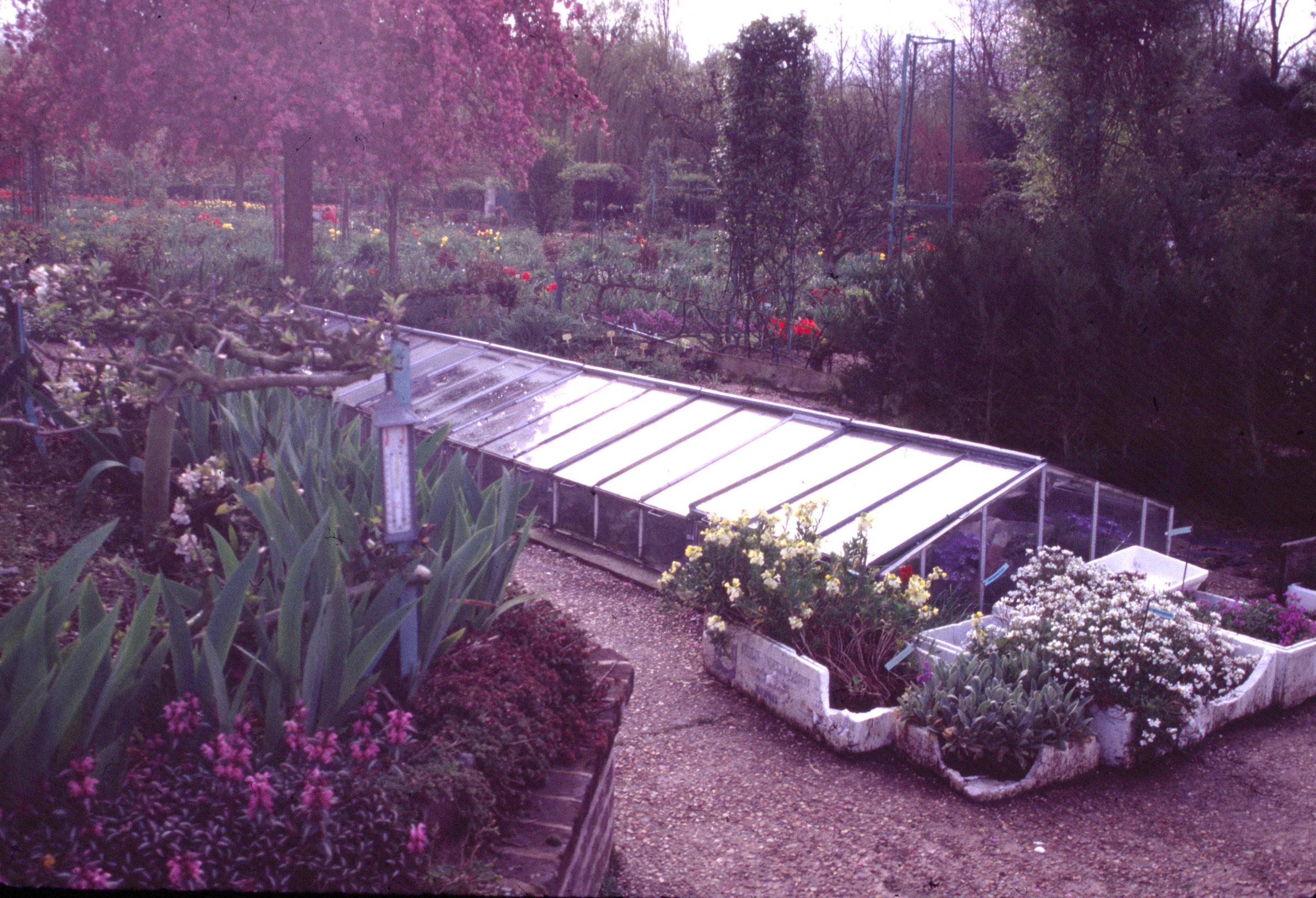
Coldfames (not mine)

A COLDFRAME IS WARM, UNLESS IT’S…

A Fourth Dimension for the Garden

A “coldframe” is one of a few ways to add a new dimension — time — to gardening. Especially, for me, vegetable gardening. It inserts time where time does not exist. Instead of my gardening season screeching to a stop with a hard freeze sometime in late November or early December, a coldframe extends it a few weeks, possibly even more. And it can do the same thing at the beginning of the season, getting plants going and harvested sooner. (Multidimensional vegetable gardening is covered more thoroughly in my book Weedless Gardening.)

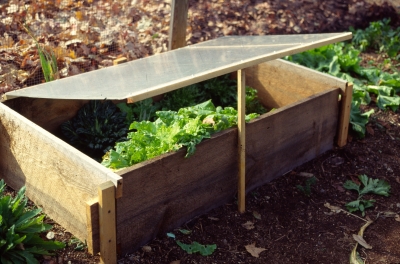
At its most primitive, a coldframe is nothing more than a clear plastic or glass topped box set directly on the ground, functioning in the garden as a miniature greenhouse. My simplest coldframe was made from four pieces of scrap pine boards notched together into a three-foot by six-foot rectangle. The covering was quarter-inch plexiglass whose previous incarnation was that of a floor runner beneath office chairs.Primitive coldframe
My most elaborate coldframe was a purchased structure, looking much like a miniature barn with a double-wall, polycarbonate plastic roof that folded open or closed along tracks in the eaves. Read more
SLEEP, MY FIGS

Optimizing Winter for a Fig Plant

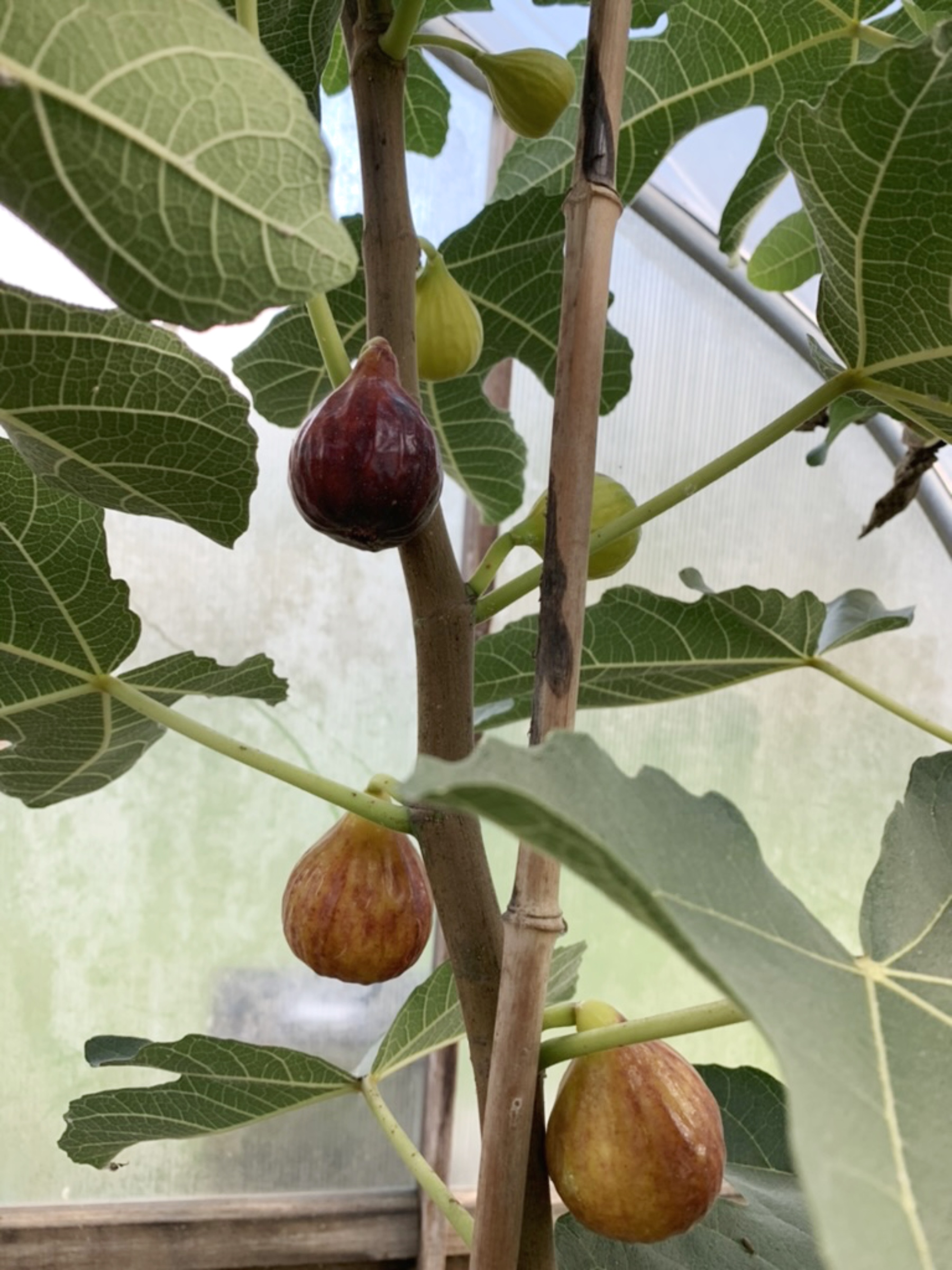
For those of us who grow figs in cold climates, where winter lows reliably plummet below 10 degrees Fahrenheit, this time of year brings some nervous expectation. You want the buds to pop out and start growing, but not too, too soon.

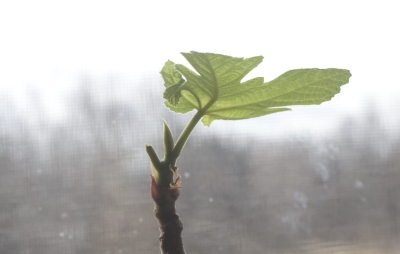
Fig stem beginning growth

Awakening!

Except for maritime climates, such as in the Pacific Northwest, where winters are what I term “coldish” rather than “cold,” figs need some sort of protection in truly cold winter climates. The challenge in maritime climates is using variety choice, pruning, and site selection to get fruit to ripen in the relatively cool summers. In these climates fig buds gradually unfold usually in synch with the gradual warming weather in spring.

Not so for protected figs in truly cold winter climates, whether plants are in a pot or in the ground, wrapped or buried. For directions here, allow me to excerpt my recent book, Growing Figs in Cold Climates: Read more

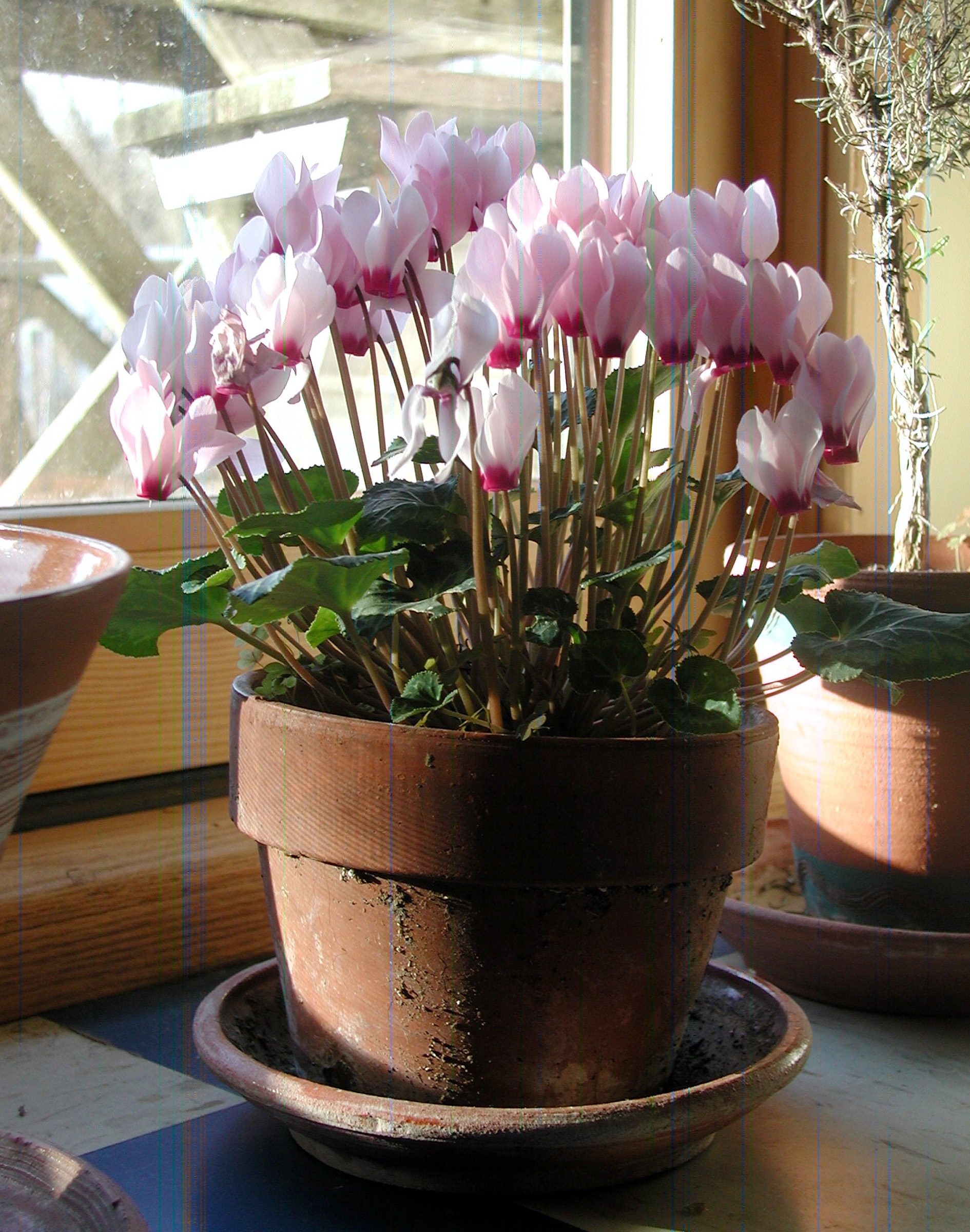
Hardy cyclamen in pot

FINDING MY ROOTS

Elbow Room and Food

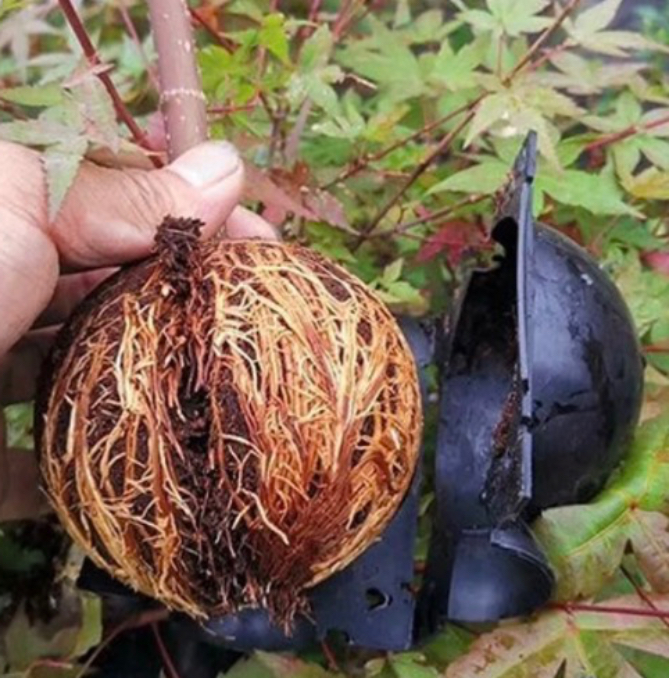
What’s happening in the soil beneath your potted plants? Over time, roots fill up the pot so there’s little more room left for them to grow. And nutrients get sucked out of the soil or washed out by water.

I keep my potted plants hale and hardy with periodic repotting. This also gives me a look at the roots, which I always find interesting. (It was one area of my research when I worked for Cornell University.) If I see roots are pressed around the outside of the rootball, especially if traveling around and around it, they’re telling me they want out. A plant might also indicate its roots need more elbow room by looking like it’s ready to topple over. More subtle signs are potting soil that dries out very quickly, a plant hardly growing, or roots attempting escape out a pot’s drainage holes.

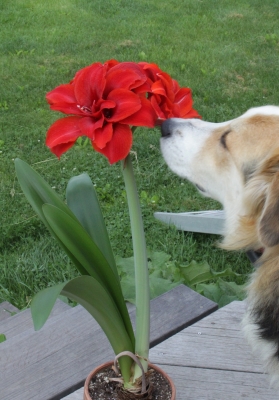
Rapidly growing plants need repotting yearly, especially when they are young; older plants and slow growers can get by with being repotting every two or three years. Some plants hardly ever need repotting, such as — looking around my collection — my amaryllis (Hippeastrum), bay laurel, hardy cyclamen, jade plant, aloe, and cactus.

Amaryllis and my dog

Amaryllis & Sammy

I wait to repot my ponytail palm until its bulbous base breaks open the pot it’s growing in; this happens about every 15 years. Same goes for my clivia.
Read more

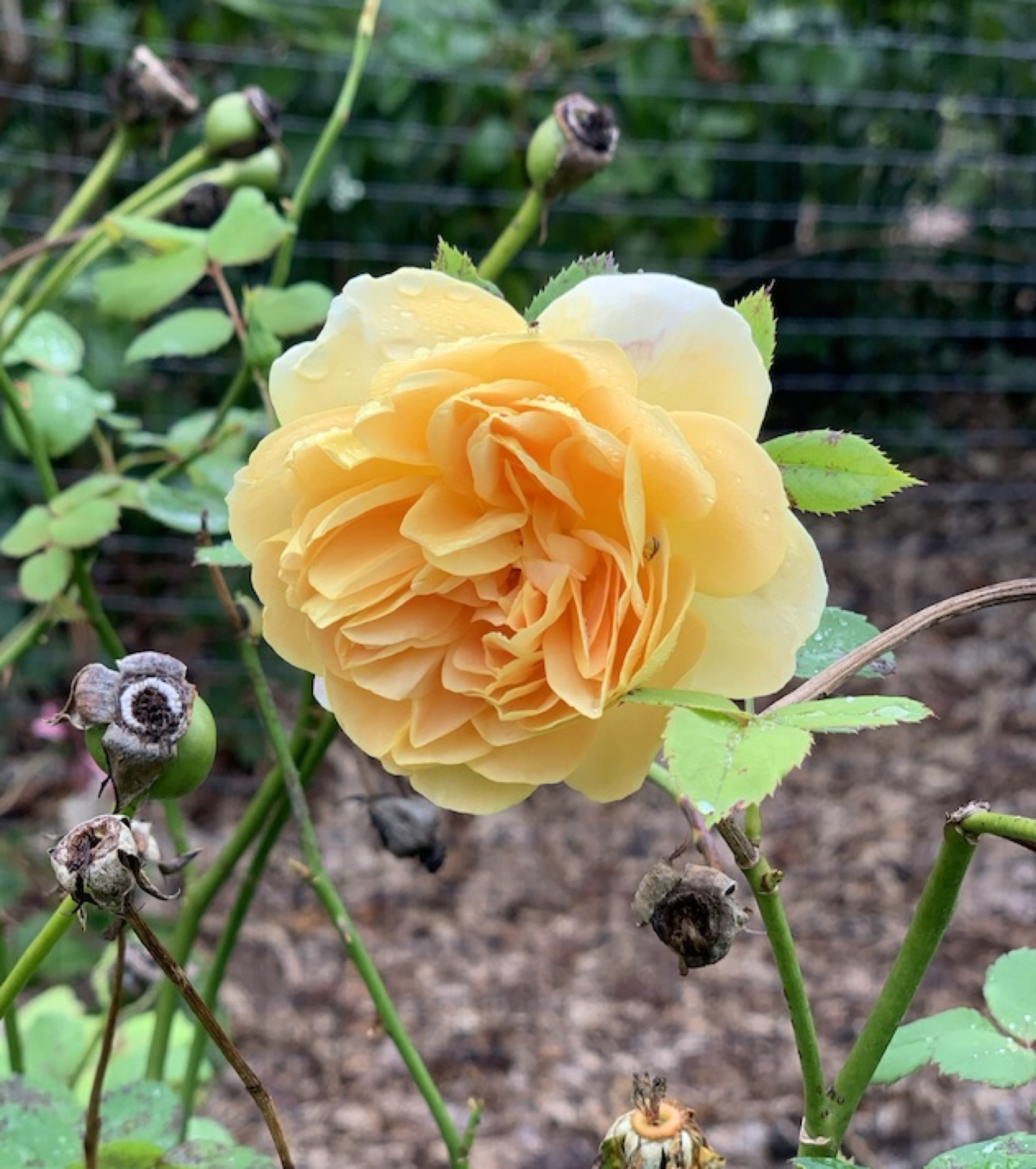
Golden Celebration rose

TREES AND SHRUBS AND VINES, OH NO!

Plant Dreams

You’d think that after living in the same place for over 35 years and every year planting new trees and shrubs, that there would be nothing new for me to plant this year. Or, at least, no where to plant them. Well, t’ain’t so!

I’m now trying to wrap up getting anything I need in terms of plants or seeds for this growing season. Let’s see: Did I succumb to any of the enticements for new and wondrous plants mentioned online and in the slew of gardening magazines and nursery catalogues that appear almost daily in my mailbox?

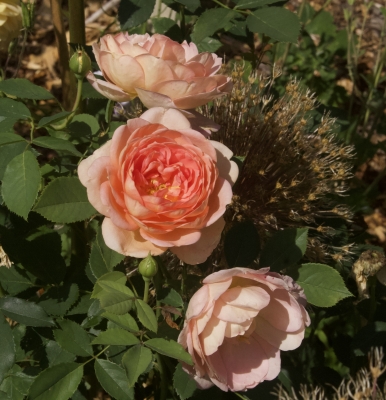
Lady of Shallot rose

Lady of Shallot rose

David Austin roses, which have the pastel blooms and blowsy form of yesteryear’s roses, and the pest-resistance of present-year roses, are always a draw. But I have quite a few of them; do I have room for or need more of them? It’s cold here (or used to be), so I choose for beauty and hardiness, and, for an added attraction, fragrance. Among my favorites are Lady of Shallot, Dame Judy Dench, Golden Celebration, and LD Braithewaite. Read more

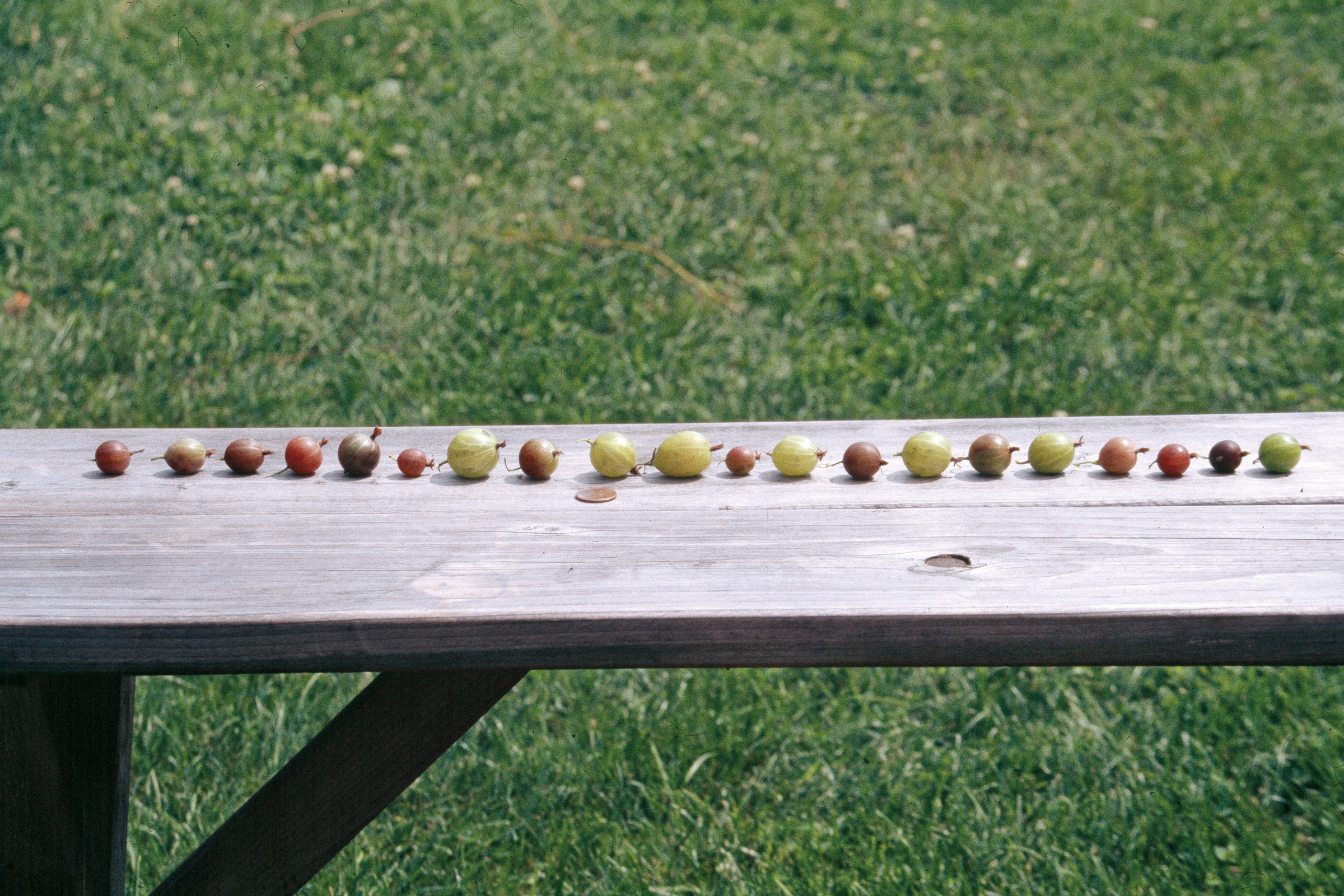
Gooseberries on a bench

TOO MANY GOOSEBERRIES

Am I a Hoarder?

I once had what may have been the largest collection of gooseberries in this country east of the Rocky Mountains — four dozen or so. Many more existed and exist in collections across “the pond,” especially in Great Britain. That was due, in large part, to the gooseberry contests held annually since the 18th century in the clubrooms of inns, especially in Lancashire, Cheshire and the Midlands. Flavor be damned: rewards went for the largest berries. The gaiety of singing and refreshments at these shows was offset by the solemn weighing of fruits.

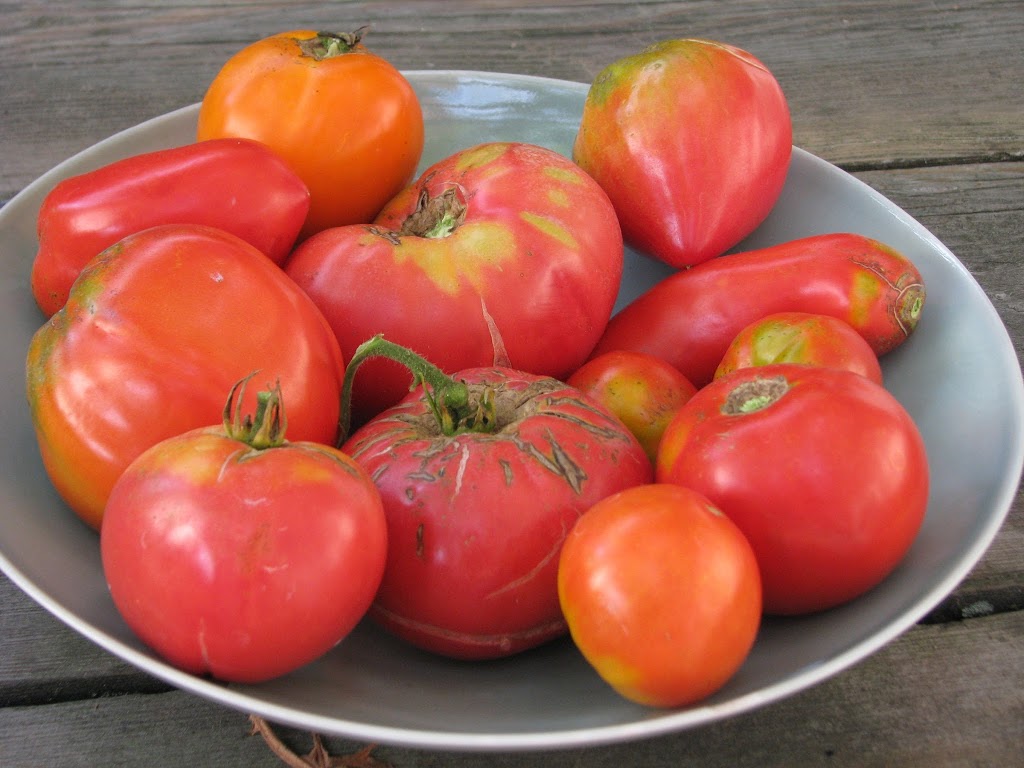
Gooseberries on a benchThose winning berries were the handiwork of amateur breeders and some rather esoteric horticulture. Suckling a promising berry, for example, whereby a saucer of water was perched beneath an individual berry throughout its growth, just high enough to wet only its calyx (far end).
Read more

Tomatoes

A MATTER OF TASTE

Most Important, to Me at Least

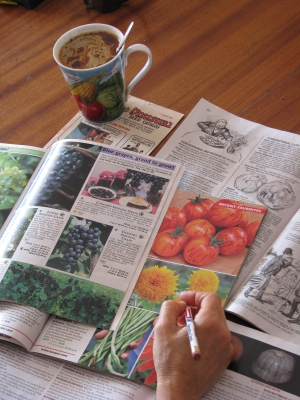
Hints of summer already are here, not outside, but in the seed catalogues in my mailbox, on seed racks in stores, and from emails from seed companies. Look how many different varieties of each vegetable are offered! Thumbing through one (paper) catalogue, for example, I see twenty-eight varieties of tomato, seventeen varieties of peas, and eleven varieties of radishes. Anyone who has gardened for at least a few years has their most and least favorite varieties of vegetables. Here’s a sampling of mine.

Right from the start, I admit that most important to me in choosing a vegetable variety is flavor. I’ll grow a low-yielding variety, even one that’s not particularly resistant to insects or diseases, if it is particularly delectable. Within reason, of course.

Let’s start with one of the most widely-grown backyard vegetables, tomatoes.

Read more

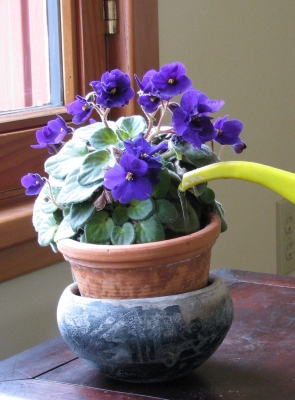
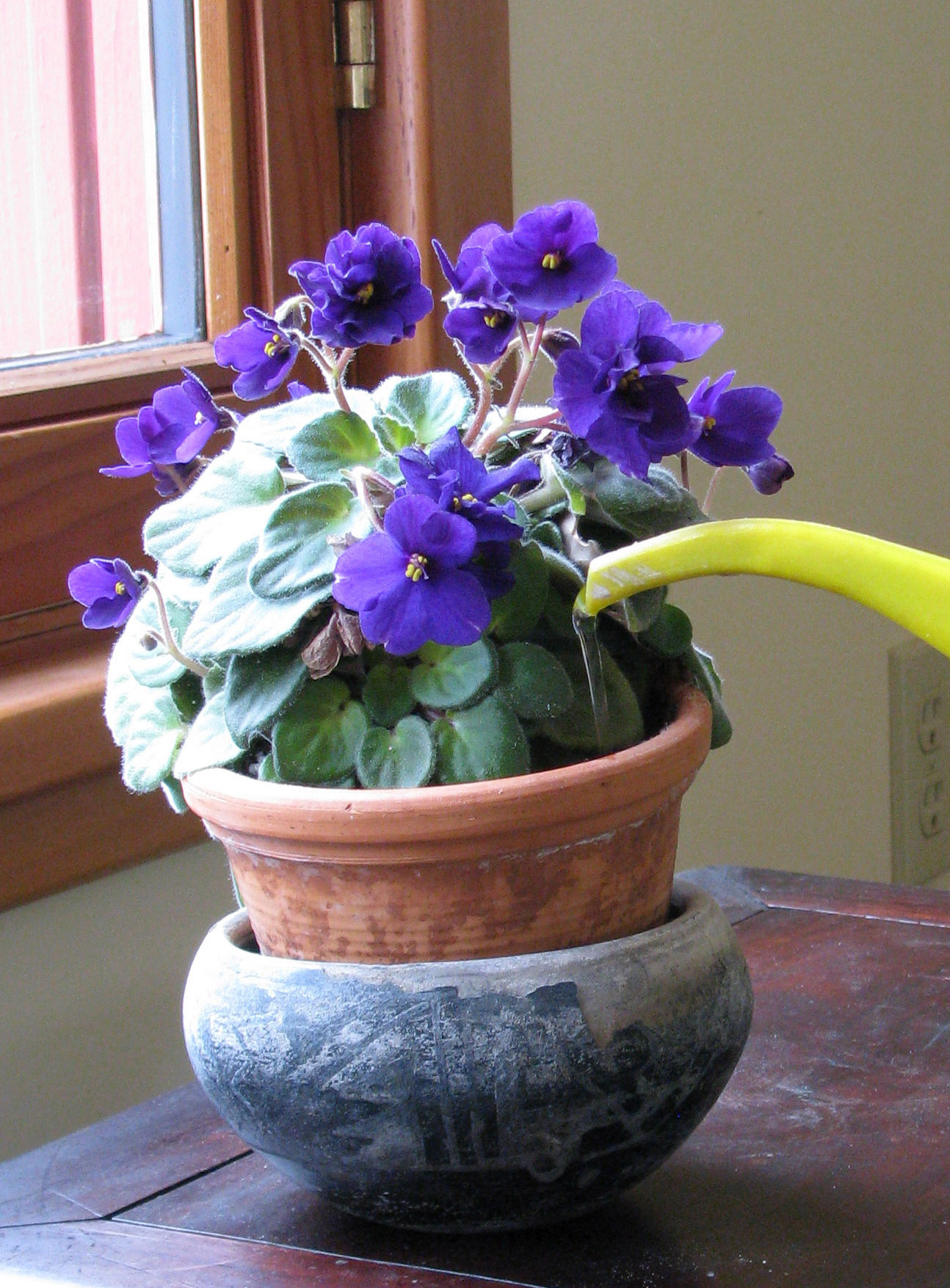
watering African Violet

REVEALED

Only for Gray-Haired Ladies?

I’m coming out. Today. Let me explain.

Decades ago, when just starting getting my hands in the dirt, I — perhaps other people, perhaps it was even true — thought it was only gray-haired ladies who grew African violets. As it turns out, a number of years after I had started gardening, I was offered an African violet plant (by a gray-haired lady). Back then, before I had accumulated too many plants, I was less discriminating than I am these days. I accepted.

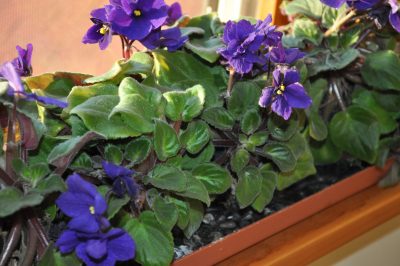
I figured I could provide the special conditions African violets demand, according to what I read in numerous publications. “Proper watering and soil moisture is critical to your success,” I was told by one publication. I could provide the needed consistently moist soil with a potting mix especially rich in peat, compost, or some other organic material. I could monitor the plants thirst by lifting the pot to feel its weight or by periodic probing its soil with my electronic moisture meter. watering African VioletI could of course be careful to avoid leaf spotting by not spilling any water, especially cold water, on the leaves. Watering from below would do the trick, with periodic leaching from above to prevent buildup of salts. They also like high humidity.Pebble tray of African violets
Other requirements of African violets that were and are stated are temperatures 70-90 degrees (F) by day and 65-70  degrees at night. I was also admonished to keep an eye out for pests, including aphids, cyclamen mites, and mealybugs, and symptoms of disease. Root rot, for example.

Oh, and regular feeding should be administered except when resting (to the plants, not me).

Read more

NEW PLANTS, UP IN THE AIR

Asexual Propagation

One of my great enjoyments in gardening is propagating plants. So many ways to do it! You can take stem cuttings or root cuttings, or you can serpentine layer, tip layer, or stool layer. And then there’s grafting, of which, as with layering and cuttage, many, many variations exist. Whole books have been written on plant propagation, even solely on grafting. My favorites for these two topics are Hartmann and Kester’s Plant Propagation: Principles and Practices and R. J. Garner’s Grafter’s Handbook.

The above mentioned methods of propagation are asexual. New plants are made from mother tissue of an existing plant. As such, all the new plants are clones of the mother plant. Not always, though.

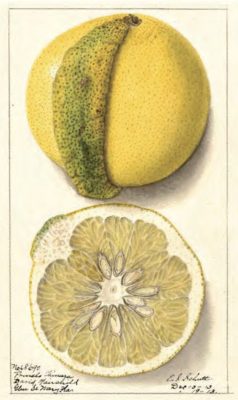
Grapefruit chimera

Grapefruit chimera

A plant chimera, analogous to the lion-goat-dragon of mythology, is a plant made up of two genetically different cells, a plant mosaic. Depending on what part of the plant you take for propagation, you end up with a clone of one or the other cell type, or, perhaps, both (the chimera). A plant usually broadcasts that it’s a chimera with splotches or lines of color different from the surrounding color of the leaves, flowers, or fruits. (Splotches or lines of color can also be caused by viruses.)

Read more

PARING DOWN PEARS

So Much From Which to Choose

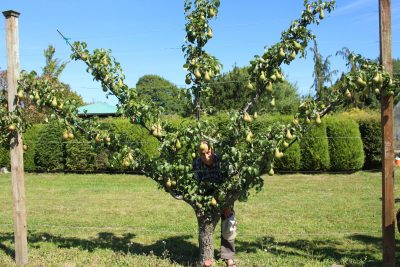
Pear espalier in Mt. Vernon, WA

Pear espalier in Mt. Vernon, WA

Of all the common tree fruits, pears are the easiest to grow — and not just here in New York’s Hudson Valley. My site is admittedly poor for tree fruits, the flat lowland acting like a reservoir into which cold, damp air flows, leading to increased threats from diseases and late frosts. Proximity to acres and acres of forest provides haven for insect pests.

But I’m not complaining; the air might be bad for apples, peaches, cherries, plums, and apricots, but underfoot is rich, well-drained, rock-free river bottom soil that grows very nice vegetables, berries, and many uncommon fruits such as persimmons, cornelian cherries, and kiwifruits. And pears.

Of the more than 3,000 varieties of pears, only a handful are well-known. I figured, as with apples, there must be many varieties better or as good-tasting as the few usually offered in markets. Back in 2004, twenty dwarf apple trees that I’d planted were nearing the end of their productive life. So I dug them out, which left me with space for a number of dwarf or semi-dwarf pear trees. But what varieties to plant? I sought suggestions from other fruit growers, from nursery websites and catalogues (especially Raintree Nursery and Cummins Nursery), from the USDA Pear Germplasm Repository, and books such as the 100-year-old tome The Pears of New York, finally settling on sixteen varieties (listed at the end of this blog post to avoid boring you if you don’t want such detail).

Read more

Mulching chestnut trees

AND THOREAU ADVISED…

Biochar vs. Wood Chips

People are funny. Take, for instance, a fellow gardener who, a couple of months ago, shared with me her excitement about a biochar workshop she had attended. “I can’t wait to get back into my garden and start making and using biochar,” she said.

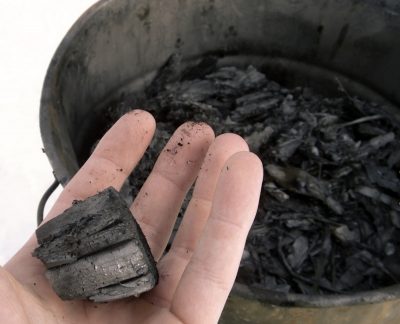
Biochar, one of gardening’s relatively new wunderkind, is what remains after you burn wood with insufficient air. It’s charcoal. Stirred into the soil, its myriad nooks and crannies provide an expansive adsorptive surface for microbes and chemicals, natural and otherwise. Biochar, being black, darkens the soil, and dark soil is generally associated with fertility, although that’s not always the case. Because biochar is mostly elementary carbon, it resists microbial decomposition, so it’s carbon is less apt to end up in the atmosphere as carbon dioxide.Biochar

In contrast, when raw wood — wood chips or sawdust, as examples — are added to soil, it feeds microbes and then plants as it decomposes, eventually turning to organic matter, sometimes called humus. Humus is a witch’s brew of compounds with beneficial effects on soil’s nutritional, biological, and physical properties. So is cooking up a batch of biochar and digging it into your soil better for the soil and really worth the effort?

Read more