
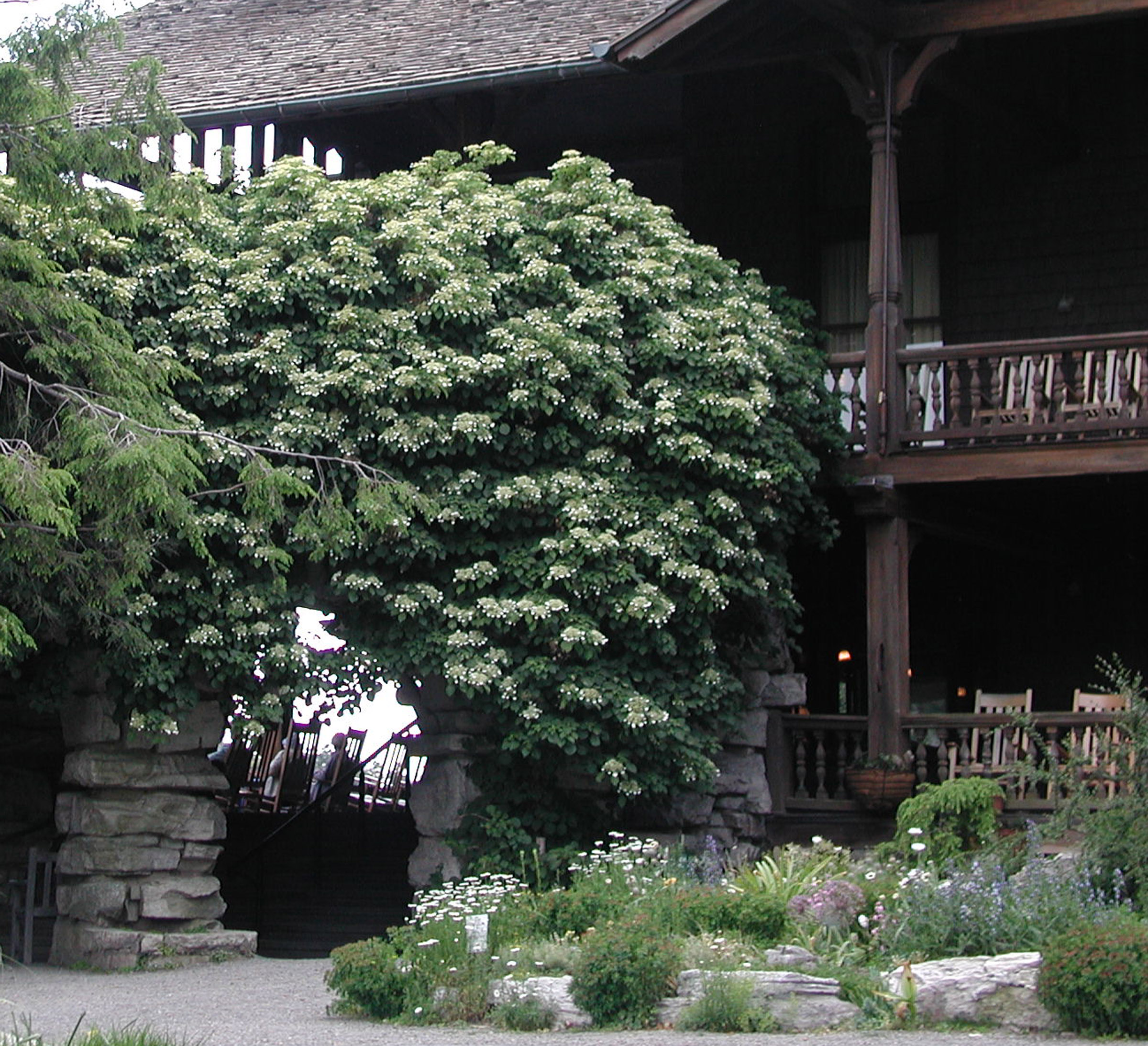
 https://leereich.com/wp-content/uploads/2023/04/HYDRANGEA-anomala.jpg
2186
2400
Lee Reich
https://leereich.com/wp-content/uploads/2022/12/header-home-link-247x54-2.png
Lee Reich2023-04-05 09:20:402023-04-05 09:21:38PRUNING HYDRANGEA
https://leereich.com/wp-content/uploads/2023/04/HYDRANGEA-anomala.jpg
2186
2400
Lee Reich
https://leereich.com/wp-content/uploads/2022/12/header-home-link-247x54-2.png
Lee Reich2023-04-05 09:20:402023-04-05 09:21:38PRUNING HYDRANGEA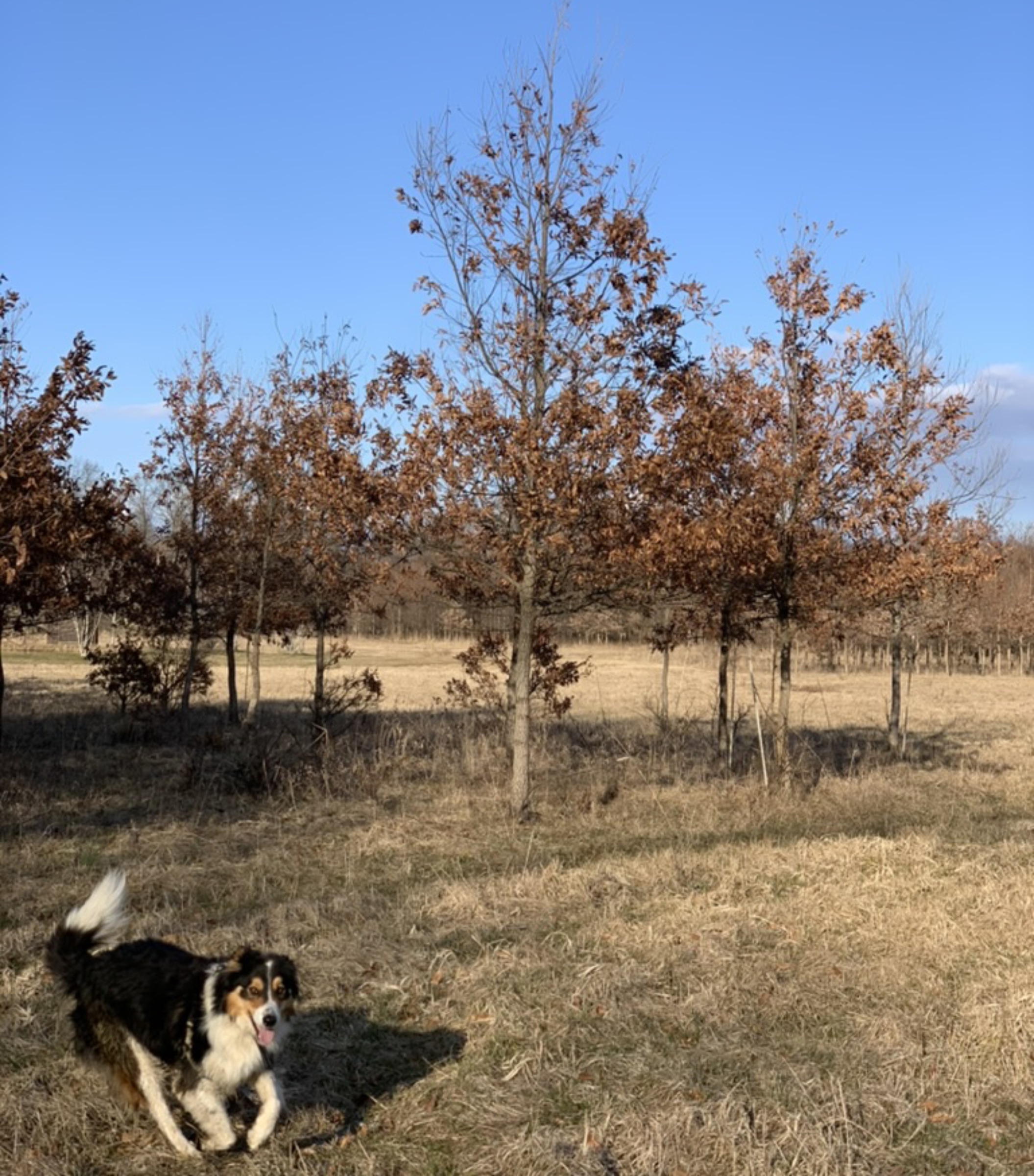 https://leereich.com/wp-content/uploads/2023/03/Leaf-retention-young-oaks.jpg
2400
2111
Lee Reich
https://leereich.com/wp-content/uploads/2022/12/header-home-link-247x54-2.png
Lee Reich2023-03-29 11:03:242023-03-29 11:03:24BENEFITS OF IMMATURITY
https://leereich.com/wp-content/uploads/2023/03/Leaf-retention-young-oaks.jpg
2400
2111
Lee Reich
https://leereich.com/wp-content/uploads/2022/12/header-home-link-247x54-2.png
Lee Reich2023-03-29 11:03:242023-03-29 11:03:24BENEFITS OF IMMATURITY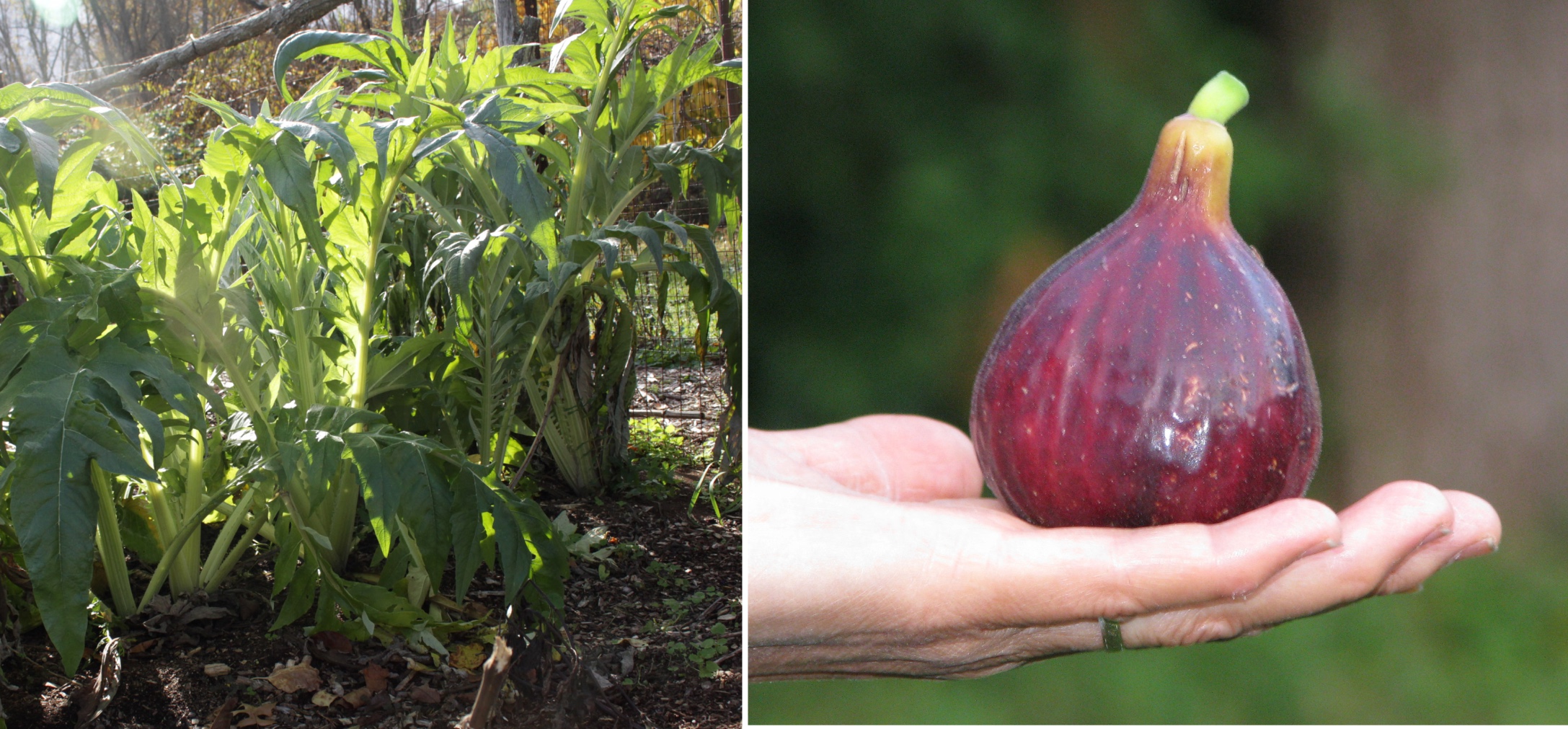 https://leereich.com/wp-content/uploads/2023/03/Cardoon-Fig.jpg
1011
2175
Lee Reich
https://leereich.com/wp-content/uploads/2022/12/header-home-link-247x54-2.png
Lee Reich2023-03-22 10:41:322023-03-22 10:41:32LOOKING BACKWARD, LOOKING FORWARD
https://leereich.com/wp-content/uploads/2023/03/Cardoon-Fig.jpg
1011
2175
Lee Reich
https://leereich.com/wp-content/uploads/2022/12/header-home-link-247x54-2.png
Lee Reich2023-03-22 10:41:322023-03-22 10:41:32LOOKING BACKWARD, LOOKING FORWARD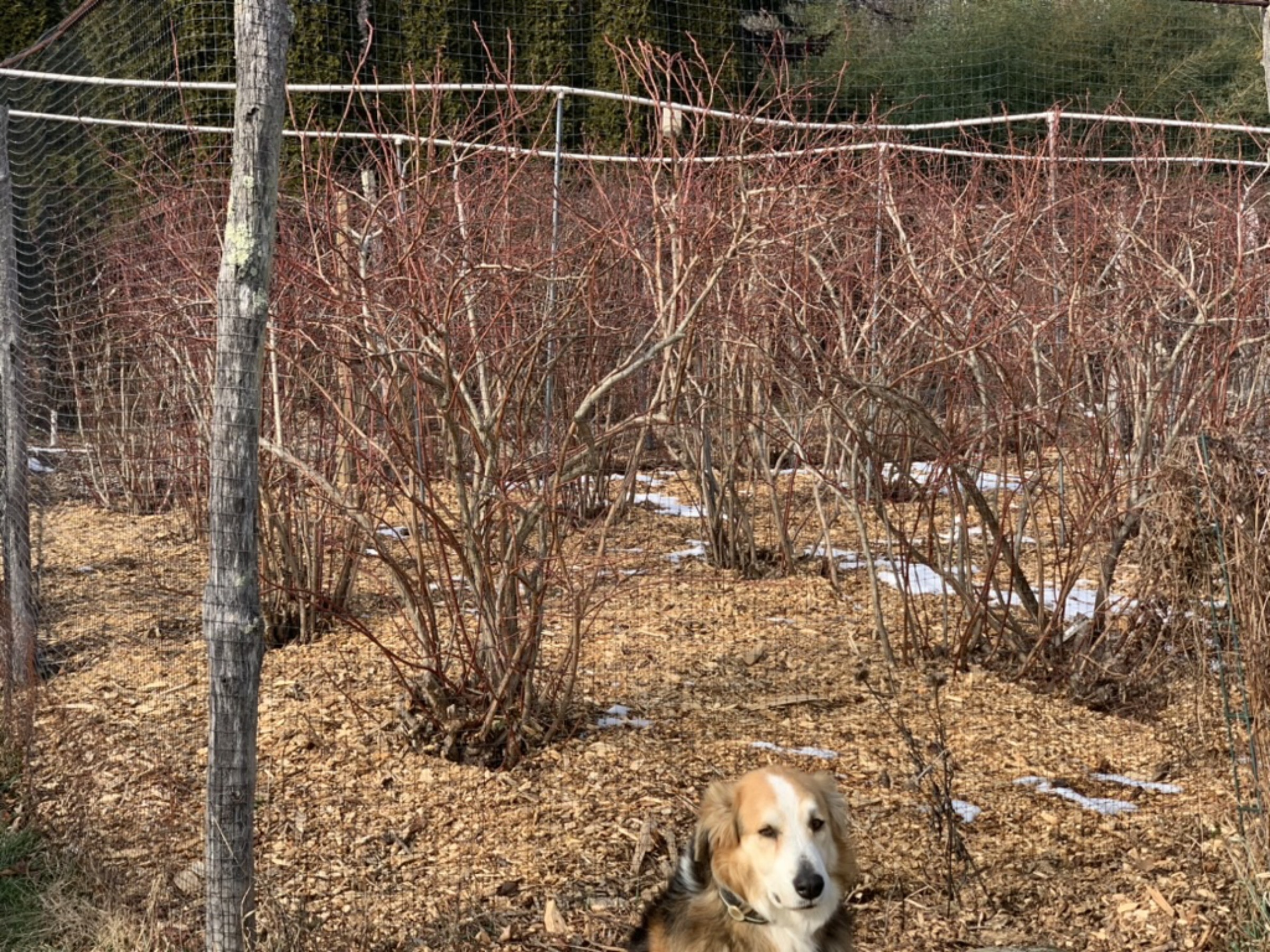 https://leereich.com/wp-content/uploads/2023/03/Blueberries-wood-chip-mulch.jpg
1800
2400
Lee Reich
https://leereich.com/wp-content/uploads/2022/12/header-home-link-247x54-2.png
Lee Reich2023-03-15 10:41:142023-03-15 11:06:53YOU NEED A PITCHFORK IN YOUR QUIVER
https://leereich.com/wp-content/uploads/2023/03/Blueberries-wood-chip-mulch.jpg
1800
2400
Lee Reich
https://leereich.com/wp-content/uploads/2022/12/header-home-link-247x54-2.png
Lee Reich2023-03-15 10:41:142023-03-15 11:06:53YOU NEED A PITCHFORK IN YOUR QUIVER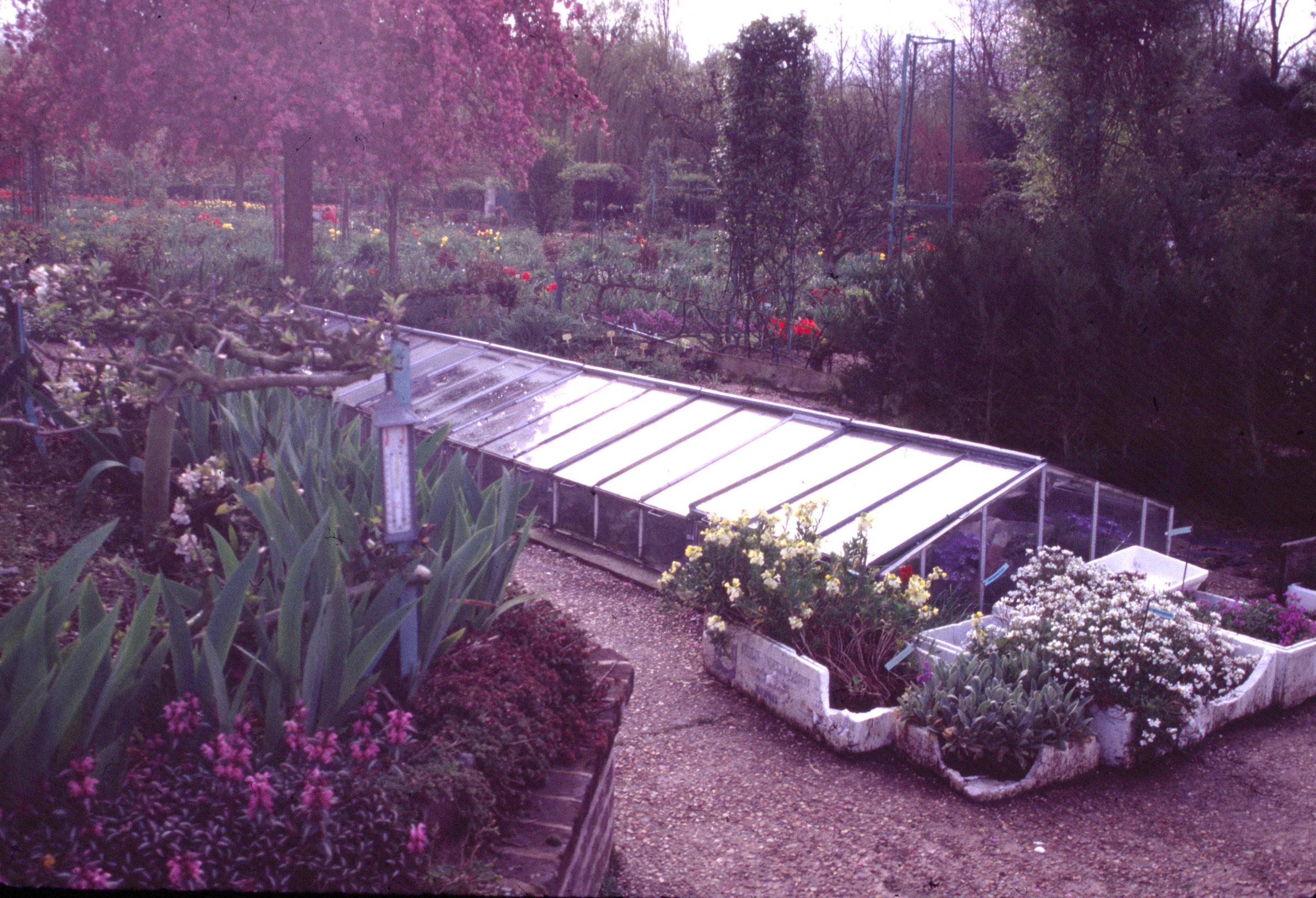 https://leereich.com/wp-content/uploads/2023/03/Coldfames-.jpg
1637
2400
Lee Reich
https://leereich.com/wp-content/uploads/2022/12/header-home-link-247x54-2.png
Lee Reich2023-03-08 10:38:232023-03-08 11:01:35A COLDFRAME IS WARM, UNLESS IT’S…
https://leereich.com/wp-content/uploads/2023/03/Coldfames-.jpg
1637
2400
Lee Reich
https://leereich.com/wp-content/uploads/2022/12/header-home-link-247x54-2.png
Lee Reich2023-03-08 10:38:232023-03-08 11:01:35A COLDFRAME IS WARM, UNLESS IT’S…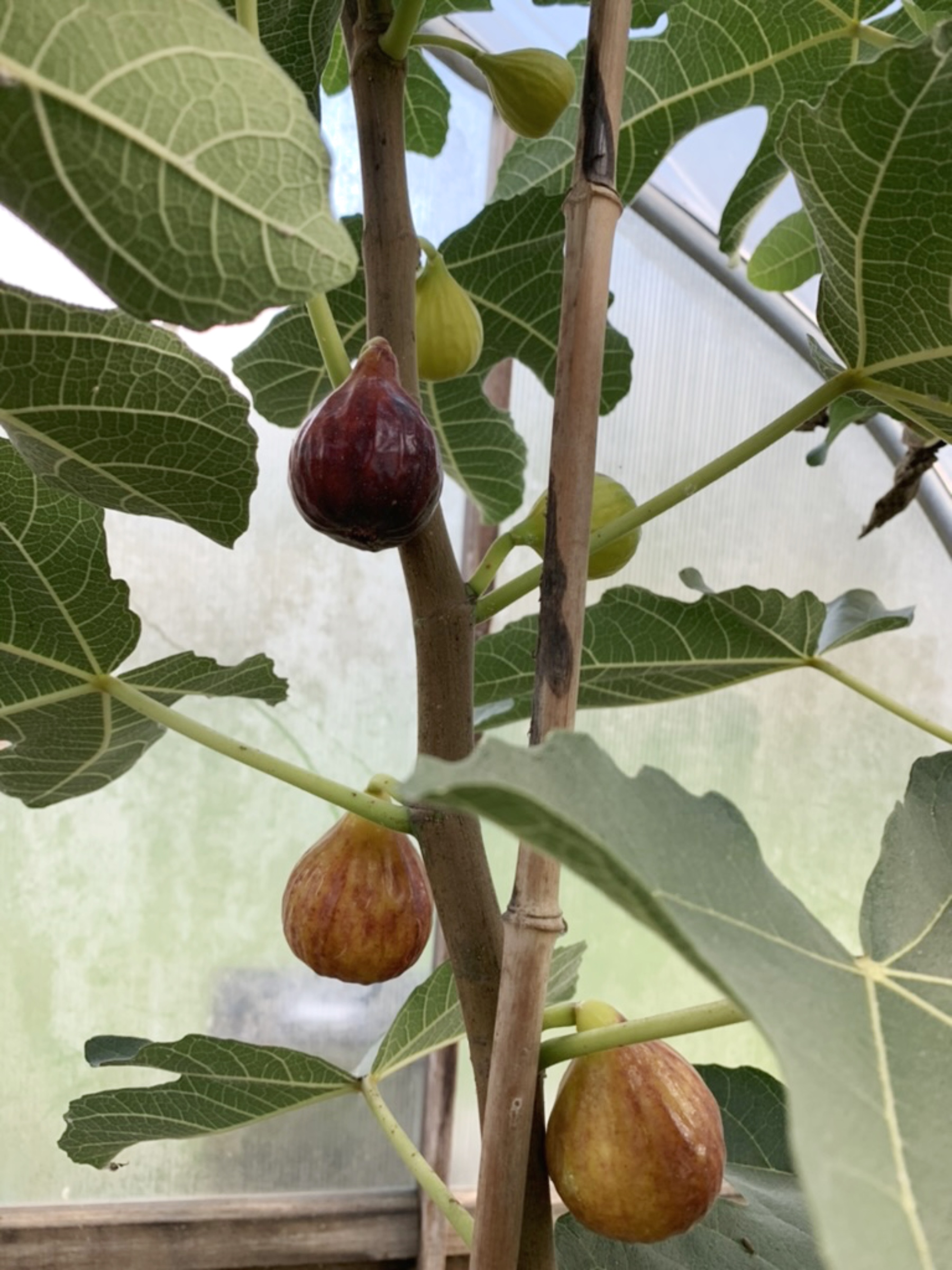 https://leereich.com/wp-content/uploads/2023/02/Ficus-fig-ripening-sequentially.jpg
2400
1800
Lee Reich
https://leereich.com/wp-content/uploads/2022/12/header-home-link-247x54-2.png
Lee Reich2023-03-01 14:56:132023-03-01 15:11:52SLEEP, MY FIGS
https://leereich.com/wp-content/uploads/2023/02/Ficus-fig-ripening-sequentially.jpg
2400
1800
Lee Reich
https://leereich.com/wp-content/uploads/2022/12/header-home-link-247x54-2.png
Lee Reich2023-03-01 14:56:132023-03-01 15:11:52SLEEP, MY FIGS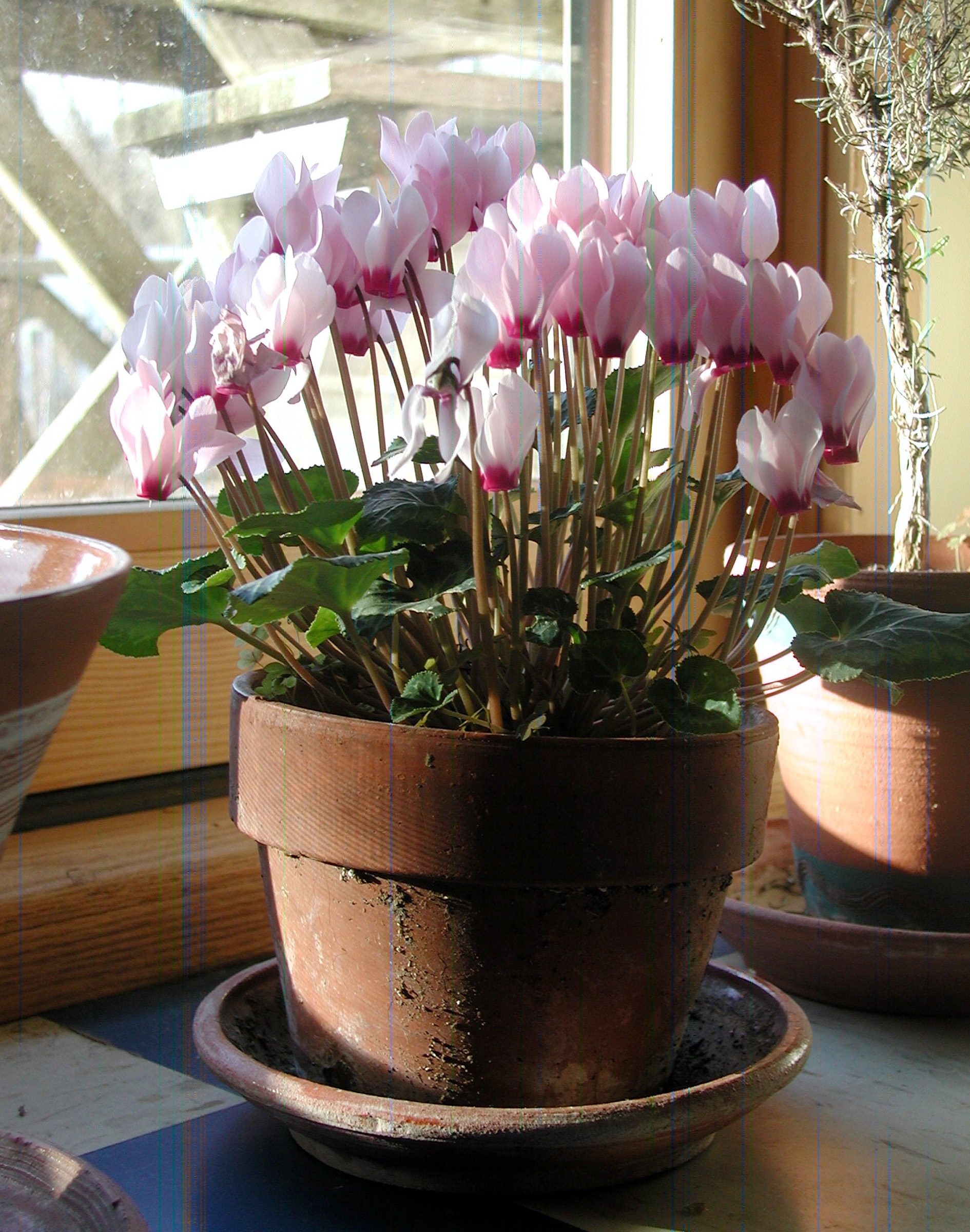 https://leereich.com/wp-content/uploads/2023/02/CYCLAMEN-POTTED-1.jpg
2400
1890
Lee Reich
https://leereich.com/wp-content/uploads/2022/12/header-home-link-247x54-2.png
Lee Reich2023-02-21 17:32:062023-02-22 14:41:27FINDING MY ROOTS
https://leereich.com/wp-content/uploads/2023/02/CYCLAMEN-POTTED-1.jpg
2400
1890
Lee Reich
https://leereich.com/wp-content/uploads/2022/12/header-home-link-247x54-2.png
Lee Reich2023-02-21 17:32:062023-02-22 14:41:27FINDING MY ROOTS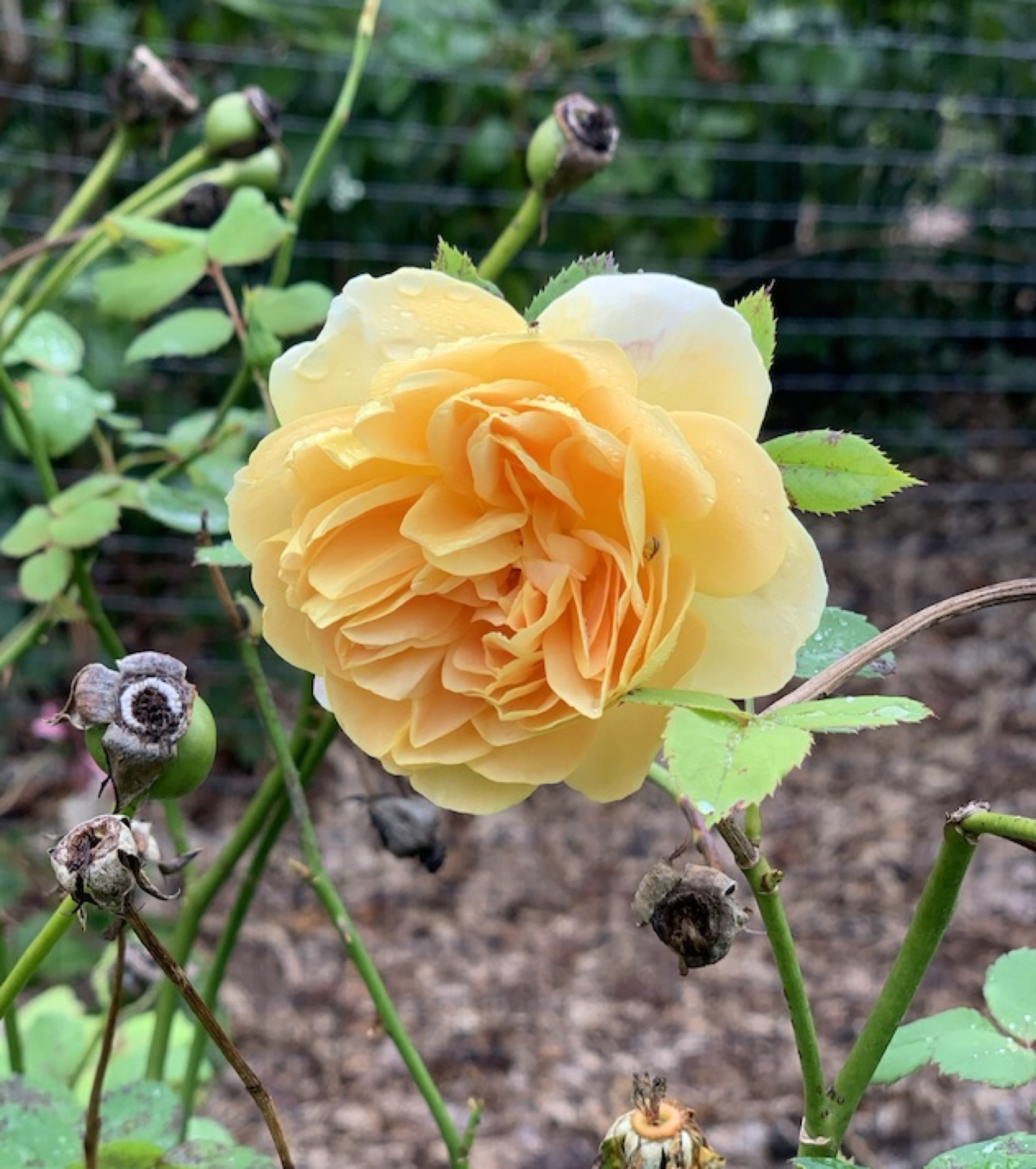 https://leereich.com/wp-content/uploads/2023/02/Rosa-Golden-Celebration.jpg
2400
2127
Lee Reich
https://leereich.com/wp-content/uploads/2022/12/header-home-link-247x54-2.png
Lee Reich2023-02-15 09:58:542023-02-15 11:23:40TREES AND SHRUBS AND VINES, OH NO!
https://leereich.com/wp-content/uploads/2023/02/Rosa-Golden-Celebration.jpg
2400
2127
Lee Reich
https://leereich.com/wp-content/uploads/2022/12/header-home-link-247x54-2.png
Lee Reich2023-02-15 09:58:542023-02-15 11:23:40TREES AND SHRUBS AND VINES, OH NO!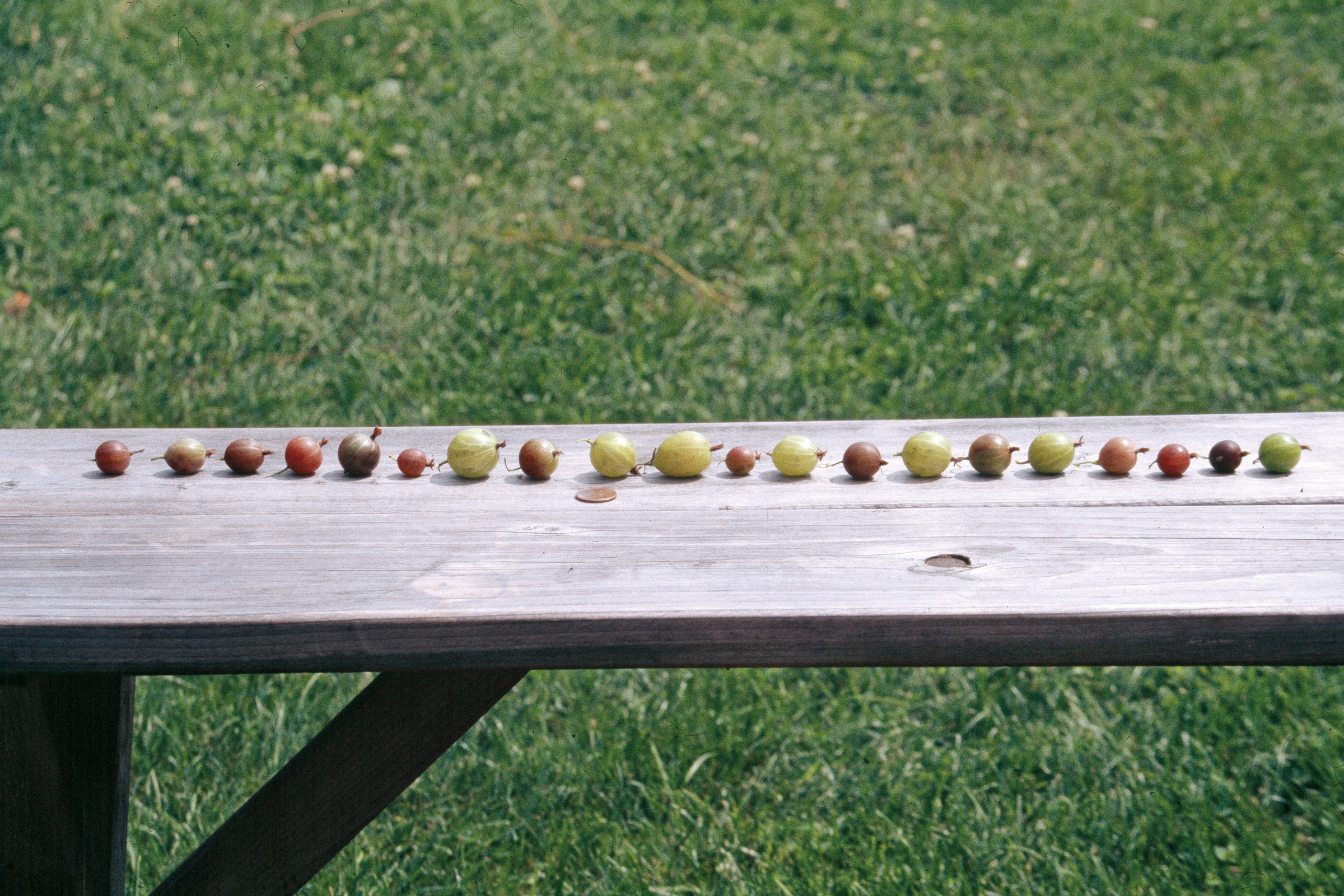 https://leereich.com/wp-content/uploads/2023/02/Ribes-gooseberry-cvs-on-bench.jpg
1600
2400
Lee Reich
https://leereich.com/wp-content/uploads/2022/12/header-home-link-247x54-2.png
Lee Reich2023-02-08 10:57:012023-02-08 11:52:35TOO MANY GOOSEBERRIES
https://leereich.com/wp-content/uploads/2023/02/Ribes-gooseberry-cvs-on-bench.jpg
1600
2400
Lee Reich
https://leereich.com/wp-content/uploads/2022/12/header-home-link-247x54-2.png
Lee Reich2023-02-08 10:57:012023-02-08 11:52:35TOO MANY GOOSEBERRIES